
Dog Snoring: Causes, Step-by-Step Management, and Signs Requiring Veterinary Care
We’ve outlined the main causes of snoring in dogs (airway structural abnormalities, obesity, allergies), step-by-step management strategies, and emergency warning signs that require immediate veterinary care.

Dog Sneezing: Causes, Step-by-Step Care, and Signs to Visit the Vet
While occasional sneezing in dogs is normal, continuous sneezing, changes in nasal discharge color, or the presence of nosebleeds may signal an upper respiratory infection. We’ve outlined a symptom checklist by cause, criteria for when to seek immediate veterinary care, and step-by-step home care tips.

Cat Nosebleeds: Causes, Step-by-Step Management, and Signs Requiring Veterinary Care
Cat nosebleeds can stem from a wide range of causes, from trauma to high blood pressure and nasal tumors. We’ve outlined a step-by-step guide to help you assess the urgency level, provide home first aid, and recognize warning signs that require immediate veterinary care.

Dog Nosebleeds: Causes and Warning Signs Requiring Veterinary Care
Nosebleeds in dogs can stem from a variety of causes, ranging from trauma to blood clotting disorders and tumors. Here’s a summary of a three-tiered urgency assessment, step-by-step first aid measures, and warning signs that require immediate veterinary care.
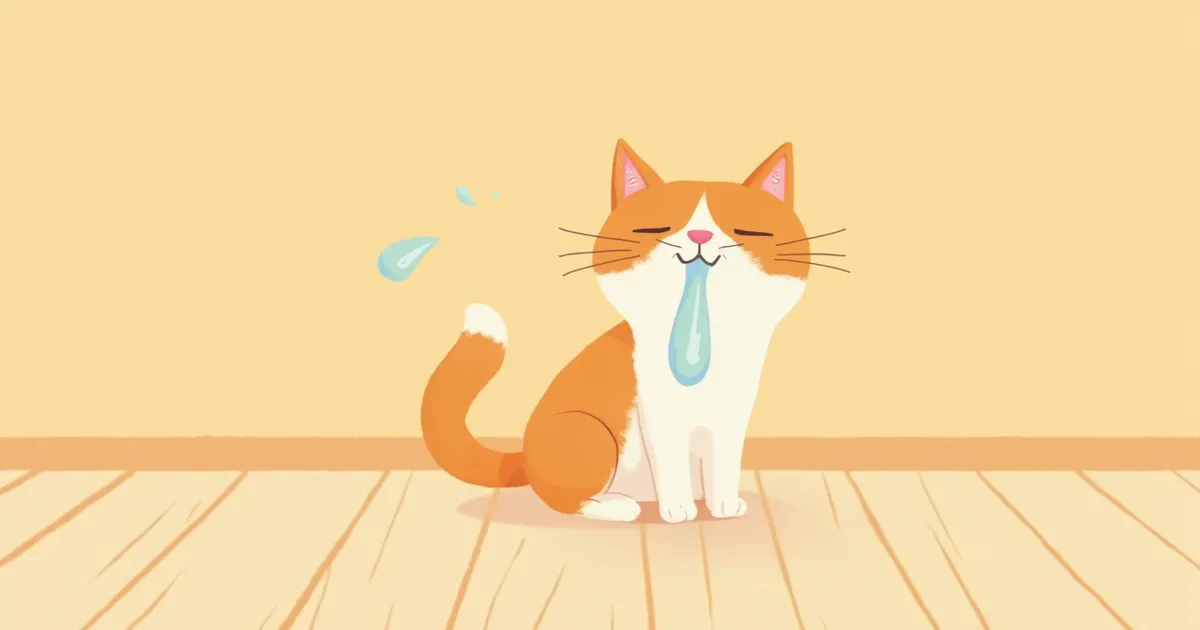
Causes of Drooling in Cats, Step-by-Step Management, and Signs Requiring a Vet Visit: A Complete Guide
We’ve outlined the causes of drooling in cats and how to assess its urgency. Learn how to handle each cause—such as stomatitis, toxin ingestion, and kidney failure—and what you should never do at home.
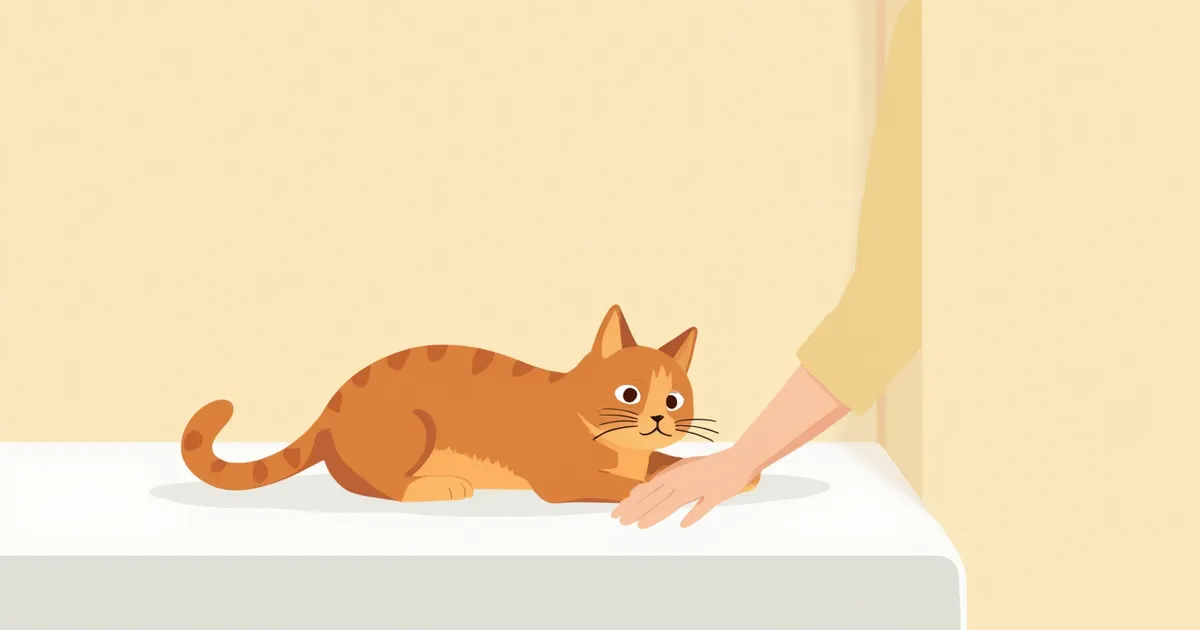
If Your Cat Suddenly Collapses: Causes and Warning Signs of Fainting
We’ve compiled the causes and emergency response steps for when a cat suddenly collapses or faints. Check out the main causes, such as heart disease, anemia, and hypoglycemia, along with signs that indicate an immediate trip to the vet.

If Your Dog’s Gums or Tongue Turn Blue — Causes of Cyanosis and When to Go to the Vet
Cyanosis, where your dog's gums or tongue turn blue, is an emergency symptom that requires immediate attention. We've outlined the causes, ranging from heart and respiratory issues, along with step-by-step response methods and signs indicating when to head straight to the vet.
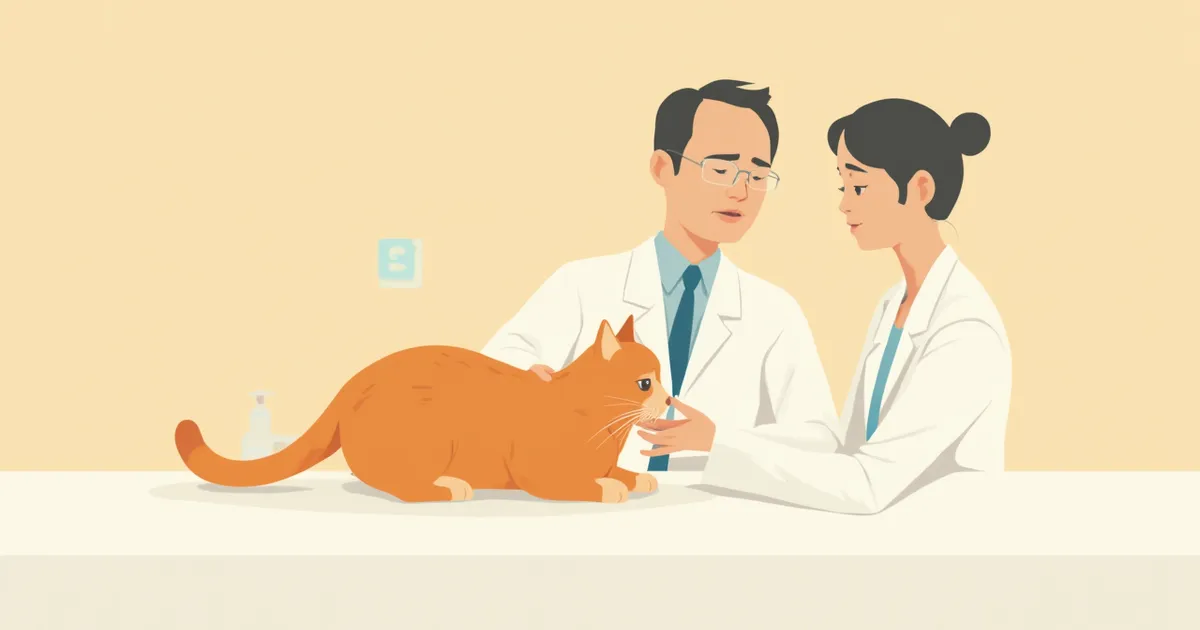
Causes of Pale Gums in Cats, Step-by-Step Response, and Signs Requiring a Vet Visit: A Complete Guide
If your cat's gums appear white or pale, it could indicate an emergency such as anemia, heart disease, or shock. Learn how to assess the urgency based on gum color and recognize the signs that require an immediate trip to the vet.

If Your Dog’s Gums Suddenly Turn Pale — Causes and Emergency Signs That Mean You Should Go to the Vet
If your dog’s gums have turned pale, it could indicate an emergency such as heart disease, anemia, or shock. We’ve outlined how to assess the urgency based on gum color and the signs that mean you should go to the vet immediately.

If Your Dog Is Squinting — Suspect Corneal Injury and Signs to Seek Veterinary Care
When your dog squints or keeps its eyes partially closed, it’s a sign that something may be wrong with its eyes. Here’s a step-by-step guide to handling the issue based on the cause, along with clear indicators for when to seek immediate veterinary care.
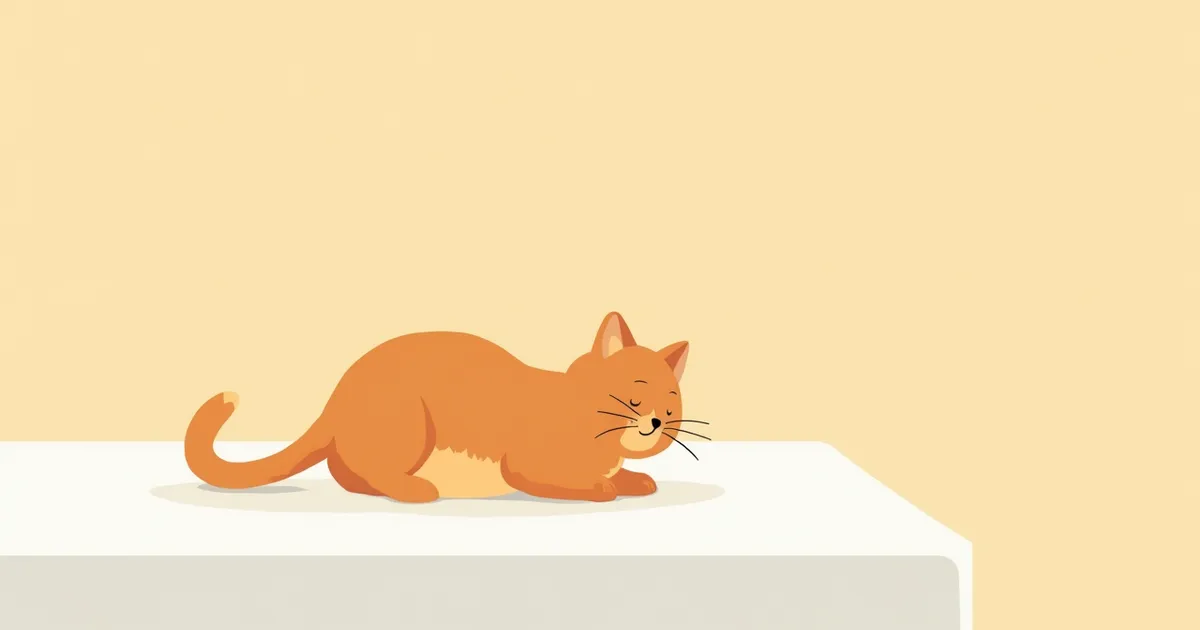
If Your Cat’s Belly Is Suddenly Swollen — Causes of Abdominal Distension and When to Visit the Vet
If your cat’s belly suddenly swells, it could be due to serious conditions such as ascites, FIP, or intestinal obstruction. We’ve outlined the criteria for assessing urgency and the signs that indicate an immediate vet visit, step by step.
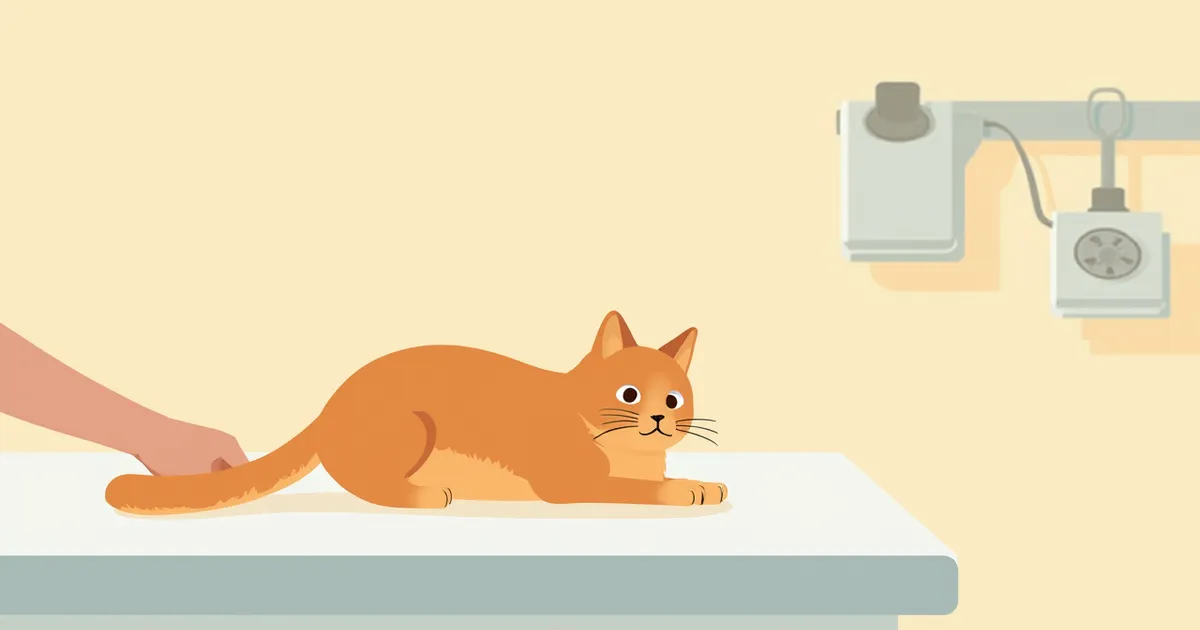
If Your Cat Develops Ascites — Causes and When to Visit the Vet
Feline ascites is a sign of serious underlying conditions such as FIP, liver disease, or heart disease. We’ve outlined the diagnostic methods and treatment approaches for each cause, as well as the warning signs that require an immediate visit to an emergency veterinary clinic.

My Cat Keeps Stumbling — Causes of Balance Loss and When to Go to the Vet
If your cat suddenly starts stumbling or collapses, it could indicate a problem with the vestibular system or the central nervous system. Here’s how to assess the urgency based on the cause and the warning signs that mean you should head to the vet immediately.

My Cat Is Trembling — Causes and Emergency Signs That Mean It’s Time to Go to the Vet
The causes of trembling in cats range from cold and fear to epilepsy, poisoning, and kidney failure. We’ve outlined the urgency levels and the warning signs that mean it’s time to rush to an emergency vet.

Why Is My Dog Suddenly Trembling? Causes and Emergency Signs Requiring Veterinary Care
Dog trembling can stem from a variety of causes, ranging from mild triggers like cold or nervousness to serious conditions such as brain disorders or toxin ingestion. We’ve outlined step-by-step how to identify dangerous tremors and when to seek veterinary care.
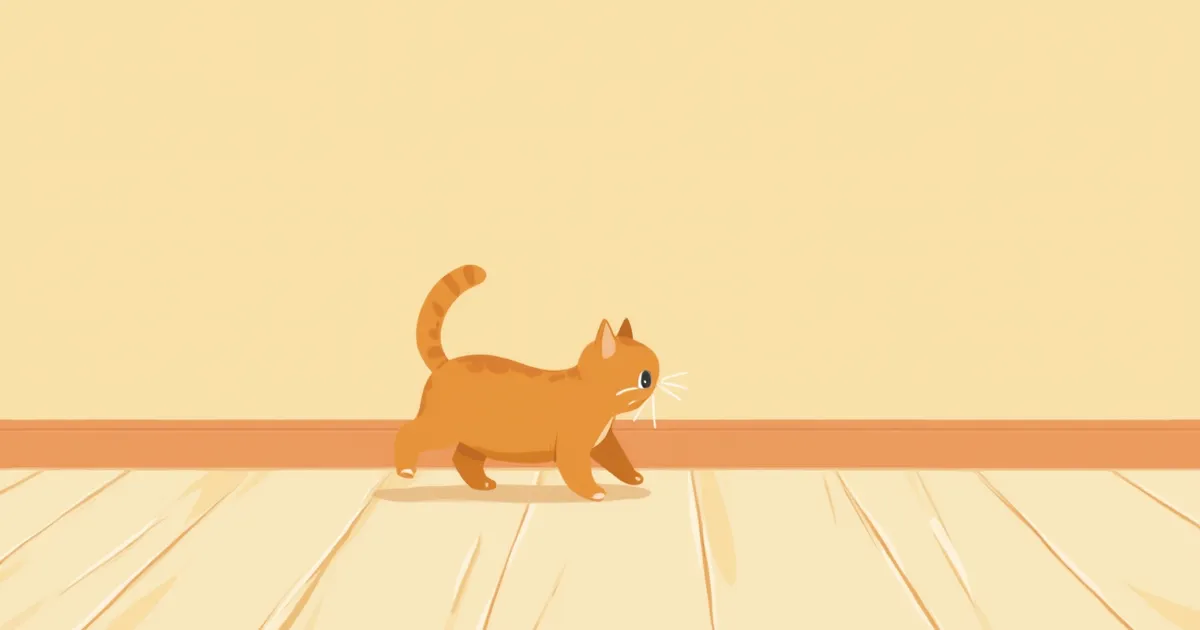
Causes of Cat Stumbling, Step-by-Step Response, and Signs You Need to Go to the Vet: A Complete Guide
There are many possible causes for a cat stumbling, ranging from vestibular system disorders to brain tumors and poisoning. We’ve outlined how to assess urgency based on symptom severity and the warning signs that mean you should head to the vet right away.

Head Tilt in Dogs — Is It a Danger Signal? A Guide to When to Visit the Vet
If your dog suddenly tilts its head to one side, it could be a sign of vestibular system dysfunction or a brain or ear condition. Here’s a step-by-step breakdown of the possible causes and their urgency.

My Cat Is Lethargic — Causes of Lethargy and Warning Signs to Visit the Vet
If your cat suddenly becomes lethargic and refuses to move, the cause could range from neurological issues to systemic illnesses. Learn how to accurately assess the urgency based on the duration of symptoms and any accompanying signs.

Cats Crying Every Night — Causes of Nighttime Vocalization and Warning Signs of Feline Dementia
For pet owners worried about their cats crying loudly at night, we’ve outlined the five main causes of nighttime vocalization, step-by-step solutions, and emergency signs that require an immediate vet visit.

When a Membrane Covers Your Cat’s Eye — Causes and Suspected Conditions of Third Eyelid (Nictitating Membrane) Exposure
When a cat’s third eyelid becomes visible, it can be caused by a range of issues, from mild lethargy to Horner’s syndrome or even eye pain. The urgency is determined by whether one or both eyes are affected and by any accompanying symptoms.

If Your Dog Ingested Bleach or Detergent — When to Never Induce Vomiting and Emergency Signs
We’ve outlined the symptoms that occur when a dog ingests corrosive substances like bleach, household cleaners, or dish soap, explained why inducing vomiting can further damage the esophagus, and summarized the first-aid steps you should take at home.
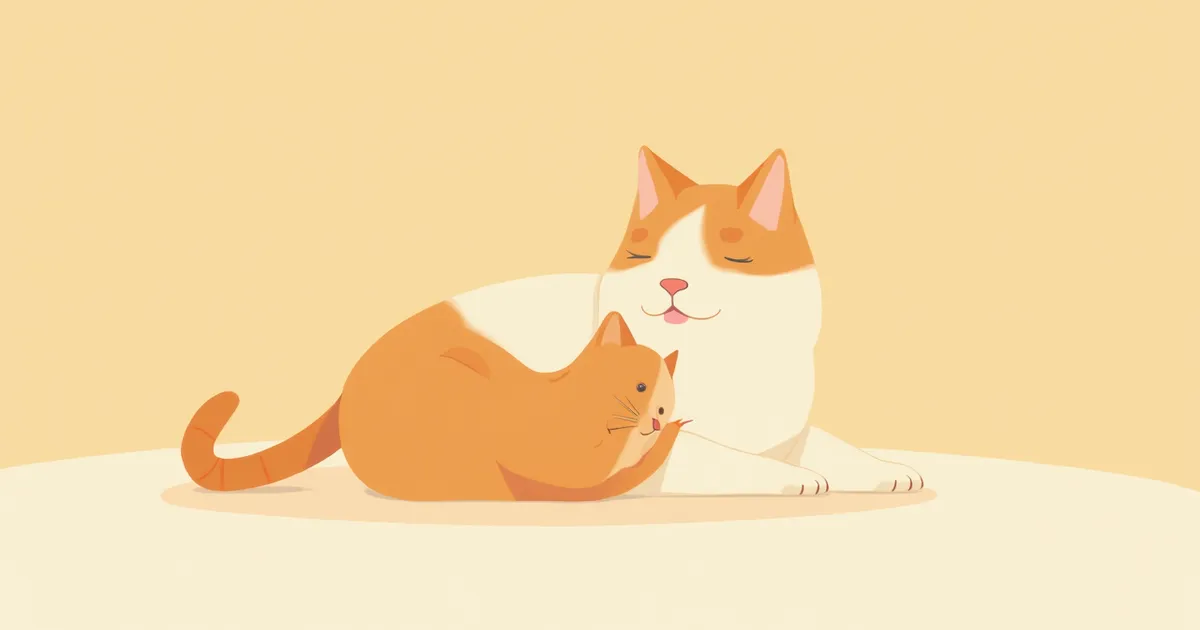
Why Is My Cat Grooming So Much? — Causes of Overgrooming and Hidden Disease Signals
Excessive grooming, such as frequent scratching or obsessive licking of a specific area, can be a sign of various skin conditions in cats, including flea allergy, atopy, food allergies, and fungal infections. Here’s a summary of patterns by body part, emergency criteria, and treatment approaches based on the underlying cause.

Redness and Discharge in Your Dog’s Eyes — Suspected Conditions by Cause and When to Visit the Vet
Redness and discharge in your dog’s eyes can signal various eye conditions, such as conjunctivitis, corneal ulcers, or entropion. I’ll explain how to assess the urgency based on the color of the discharge and accompanying symptoms, and how to respond quickly.

Cat Keeps Vomiting — How to Distinguish Between Hairball Care Products and Signs Requiring a Vet Visit
The most common cause of vomiting in cats is hairballs. We’ve compiled a clear guide to help you distinguish between normal and emergency signs, compare hairball-formulas, pastes, and cat grass, and choose the right option based on ingredients.