

Top Recommendations and Selection Criteria for Dog Urine Culture Tests
A urine culture test is essential for accurately identifying the cause of urinary tract infections in dogs. With proper selection and care, you can enhance treatment effectiveness.
What is a Dog Urine Culture Test?
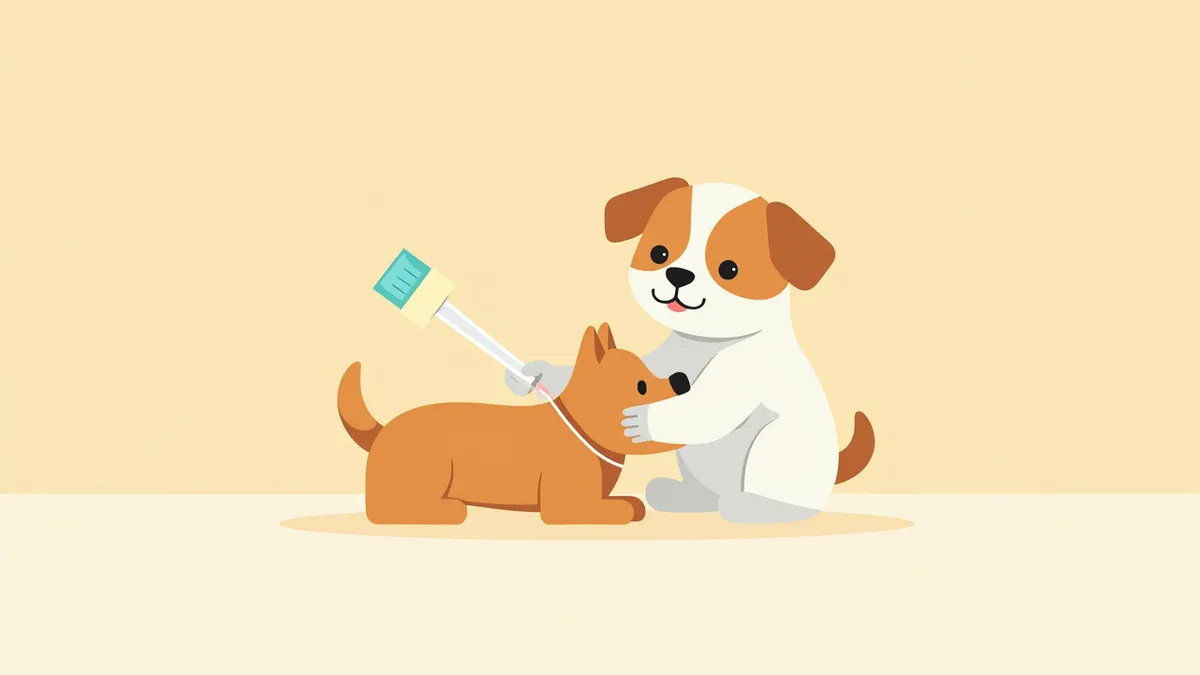
Selection Criteria: Tips for Choosing a Clinic for Urine Culture Tests

Check 1: Aseptic Collection and Susceptibility Testing

Check 2: Indications for Recurrent Cystitis or Suspected Resistance
Check 3: Selecting Appropriate Antibiotics and Re-testing Based on Susceptibility Results

Checklist for Choosing a Clinic for Urine Culture Tests
| Item | Recommended Criteria |
|---|---|
| Collection & Testing | A facility equipped with sterile collection such as bladder cystocentesis and antibiotic susceptibility testing |
| Test Operation | A facility that reviews urinalysis and ultrasound together and guides the collection method |
| Interpretation Capability | A veterinarian who accurately interprets the causative bacteria and susceptibility results |
| Result Interpretation | A facility that guides the appropriate antibiotic prescription, dosing duration, and re-culture follow-up |
| Cost Guidance | A facility that informs you in advance of the estimated cost and the possibility of additional tests before testing |
This is not a table recommending specific products or hospitals, but a reference for when you consult your veterinarian. Always make treatment and testing decisions together with your veterinarian through an examination.
Precautions
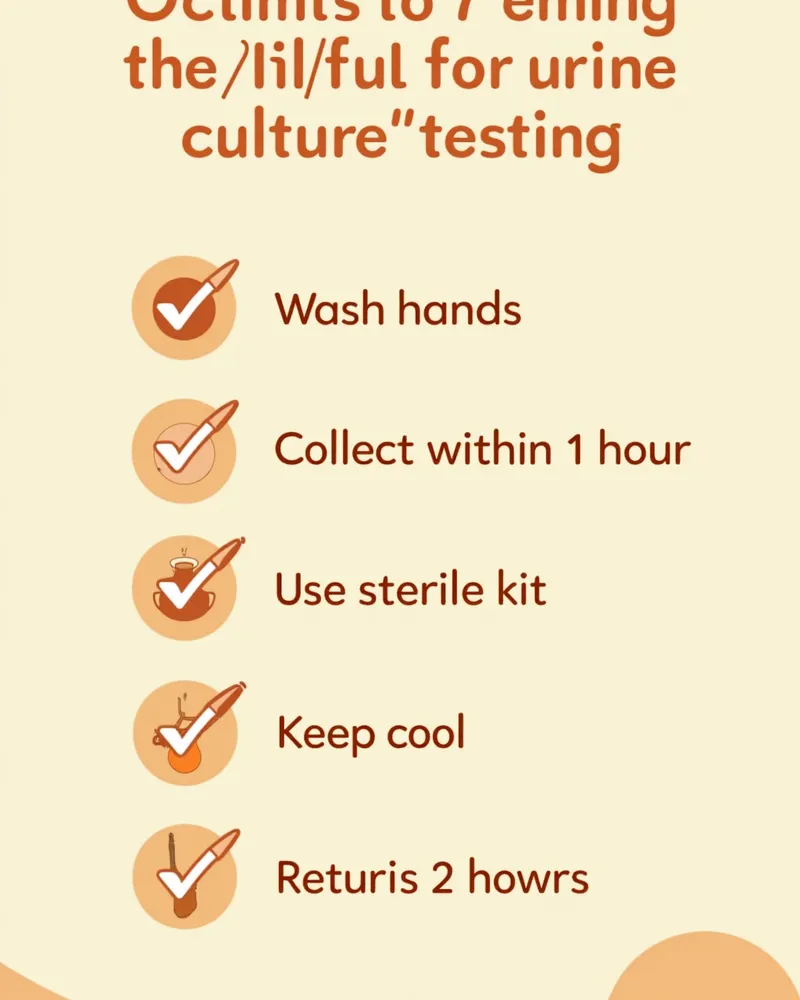
If your pet is currently taking antibiotics before a urine culture test, the causative bacteria may be suppressed, which can affect the interpretation of the results. Do not decide on your own whether to stop the medication or when to do so; instead, consult your veterinarian for guidance. Also, be sure to inform the clinic in advance about any medications being administered. Additionally, since sample contamination can make the results unreliable, it is crucial to follow sterile collection methods. To ensure the reliability of the test, choose a clinic equipped with the necessary tools and expertise to perform proper sterile collection methods, such as bladder aspiration, and conduct accurate culture and sensitivity tests.
Usage Tips
Reviewed by a veterinarian

Dr. Tony — Punnawat Phongkittirak
VeterinarianA veterinarian who majored in veterinary medicine at Khon Kaen University, Thailand, and completed the IVSA program at North Carolina State University in the United States. Drawing on clinical experience at animal hospitals, he works in the pet healthcare field and is dedicated to building a digital care environment that connects pet parents with veterinarians.
Reviewed 2026-06-29
Frequently Asked Questions
When is the best time to get a urine culture test?
Can I collect a urine sample at home?
How long does it take to get the test results?
Will taking antibiotics affect the test results?
The test results are back, but no causative pathogen was identified. What should we do next?
Share
Related Guides

Top 5 Prescription Diets for Feline FLUTD — Comparison by Struvite and Calcium Oxalate Stones

Top 7 Prescription Diets for Feline Bladder and Urinary Tract Health Recommended by Veterinarians — Including Selection Criteria

Top 5 Cranberry Urinary Supplements for Dogs — Preventing Cystitis
7 Management Tips for Canine Pyelonephritis (Bacterial Kidney Infection) Recommended by Veterinarians
7 Best AKI Management Products for Dogs Recommended by Veterinarians — Criteria for Meeting the Golden Hour
7 Top ACE Inhibitor and ARB Recommendations for Canine Kidney Protection Selected by Veterinarians

Best Recommendations and Selection Criteria for Managing Kidney Function Assessment in Cats Using Urine Specific Gravity
7 Key Tips from Veterinarians for Managing Feline Urethral Calculi and Obstruction
7 Key Points for Cat Kidney Ultrasound Exams from a Veterinarian
7 Key Points for Post-Kidney Transplant Care in Cats, Explained by a Veterinarian
References
[1] Sørensen, T.M. et al. (2016). Evaluation of different sampling methods and criteria for diagnosing canine urinary tract infection by quantitative bacterial culture. Vet. J. 216: 168–173.
[2] Manfredi, S. et al. (2008). Diagnostic and therapeutic cystocentesis in dogs and cats: considerations. Crit. Care 12: 183–187.
[3] Plumb's Veterinary Drug Handbook, 9th ed. (2022). Wiley-Blackwell. Chapter on Urinary Tract Infections and Antimicrobial Therapy.