Like
Share
멍실장
고양이 겨울 한파 관리·저체온 예방 자주 묻는 질문 Q&A — 보호자가 꼭 알아야 할 핵심

Frequently Asked Questions on Managing Cats During Winter Cold Snaps and Preventing Hypothermia — Key Points Pet Owners Must Know

Lifestyle & Age CareQ&AMeongsiljang Veterinary Advisory Board

Managing cats during winter cold snaps and preventing hypothermia are critical for saving lives, going beyond simple temperature control. Here’s a summary of essential questions and responses that pet owners must know.

Managing Cats During Winter Cold Snaps and Preventing Hypothermia Are Essential Measures to Save Lives
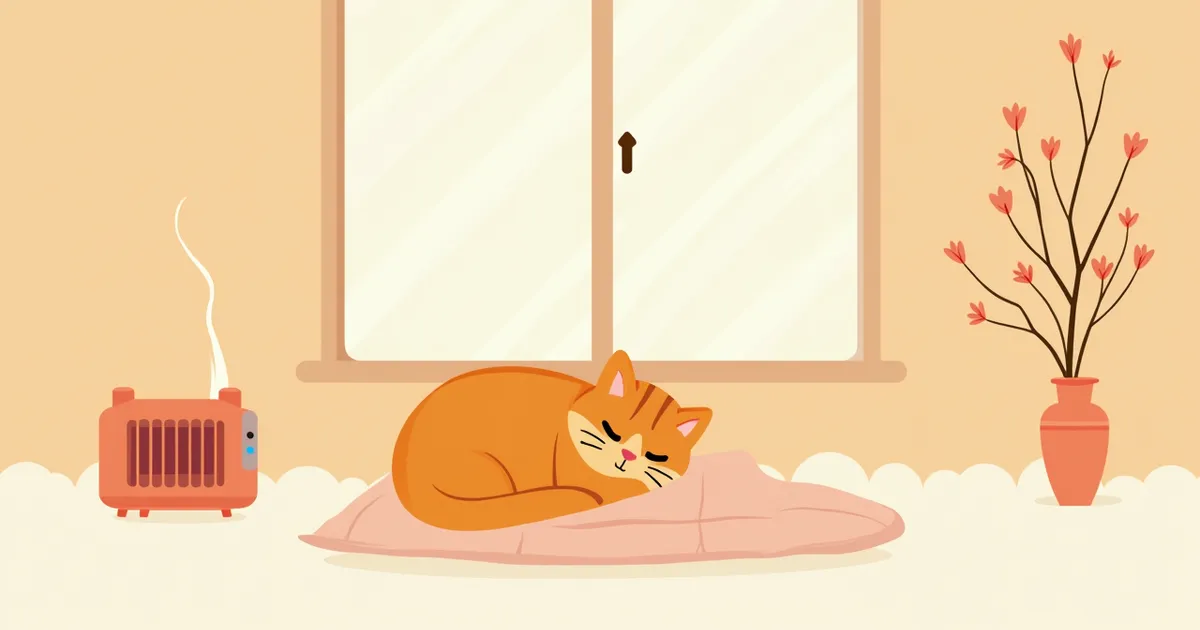
A cat sleeping on a warm, cat-specific heating bed
Managing cats during winter cold snaps goes beyond simple temperature control; it is a crucial preventive measure to guard against serious health risks from hypothermia. Kittens, short-haired breeds, senior cats, and those with existing health conditions are particularly vulnerable, as they have a reduced ability to cope with the cold. It is important to keep the indoor environment sufficiently warm and draft-free, and to use heating equipment safely. While healthy adult cats can seek out warm spots and tolerate cold to some extent, the more vulnerable the cat, the more essential your careful observation and proactive care become to safeguard their health. - Preventing Hypothermia: A warm environment of 27–32°C is recommended for newborn kittens. For adult cats, provide a warm, draft-free indoor space with cozy resting spots. - Using Heating Equipment: Place electric heating pads under the bed and choose products with temperature control features. - Indoor Environment Management: Seal windows and doors to prevent cold air infiltration, and keep ventilation periods short. - Daily Observation: Check your cat daily for shivering, loss of appetite, or lethargy. - Preventive Approach: Early detection and intervention are key to saving lives.

Cats’ Thermoregulation Ability in Winter Is Lower Than That of Pet Owners
Kittens, senior cats, those with underlying health conditions, and short-haired breeds have weaker thermoregulation, so they are at higher risk of hypothermia if indoor temperatures drop too low. While healthy adult cats will seek out warm spots to avoid the cold, these vulnerable groups struggle to do so and require extra care. A drop in body temperature can slow the heart rate and weaken the immune system, making them more susceptible to infections. Therefore, it is important to maintain a warm, draft-free indoor environment, and for kittens, provide a setting of approximately 27–32°C. - Temperature Maintenance Strategy: Prepare warm beds and blankets. - Care for Vulnerable Groups: Keeping kittens and senior cats warm is especially important. - Environmental Control: Do not place beds directly next to heaters, and ensure proper air circulation. - Daily Checks: Monitor your cat for any behavioral changes and take immediate action if noticed. - Prevention-Focused Approach: Early detection of hypothermia is crucial for survival.
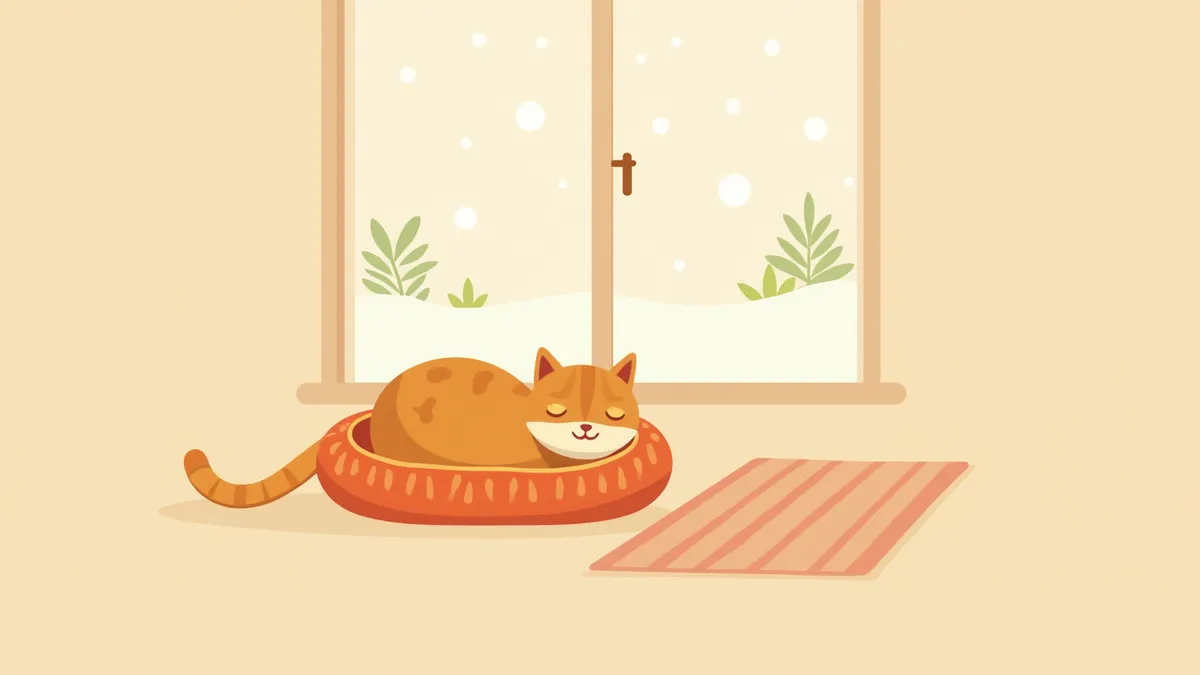
A short-haired cat shivering in a cold indoor environment

Be Sure to Master the Safe Use of Warming Equipment
Cat warming devices are effective, but improper use can pose risks of burns or electrical leakage. Install electric heating mats under the cat’s bed so the cat doesn’t come into direct contact with them, and choose products with temperature control features. For electric heaters or warm air blowers, install safety devices to prevent cats from accessing them, and ensure proper indoor air circulation. Always follow the manufacturer’s instructions when using warming equipment. - Safety Usage Principles: Install equipment so that cats do not come into direct contact with it. - Temperature Control Essential: Choose automatic temperature control features to prevent overheating. - Cord Inspection: Regularly check for any damage to the cords. - Placement: Do not place near heaters or under direct sunlight. - Maintain Air Circulation: Dry air can cause skin problems, so ventilation and humidity control are necessary. - Post-Use Check: After use, turn off the power and store the equipment safely.
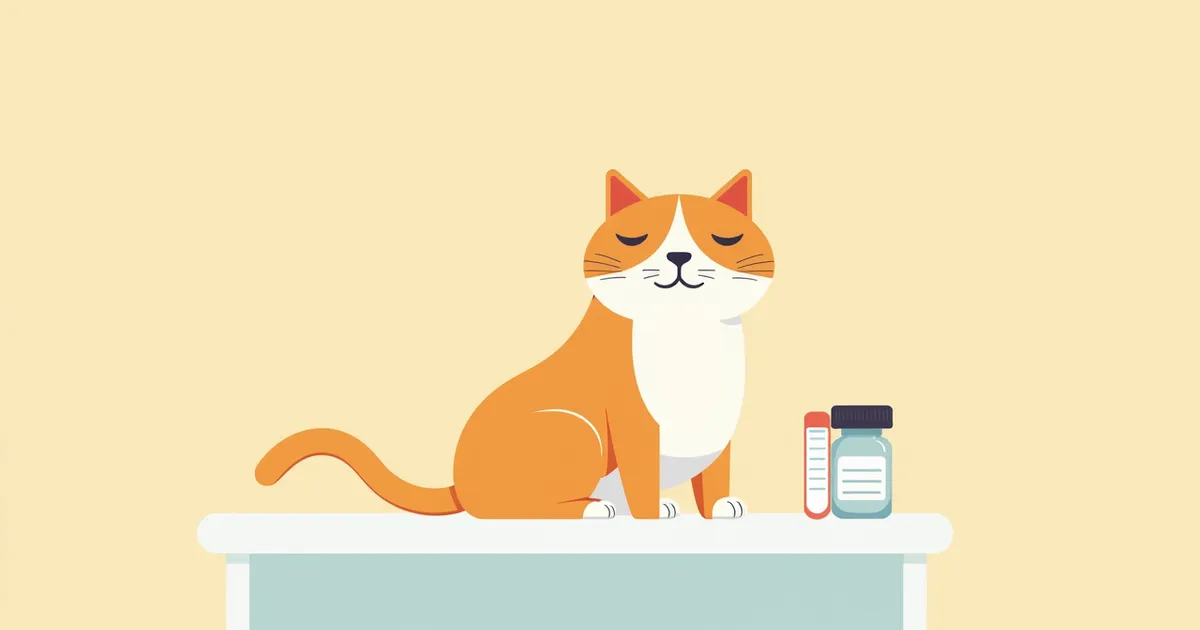
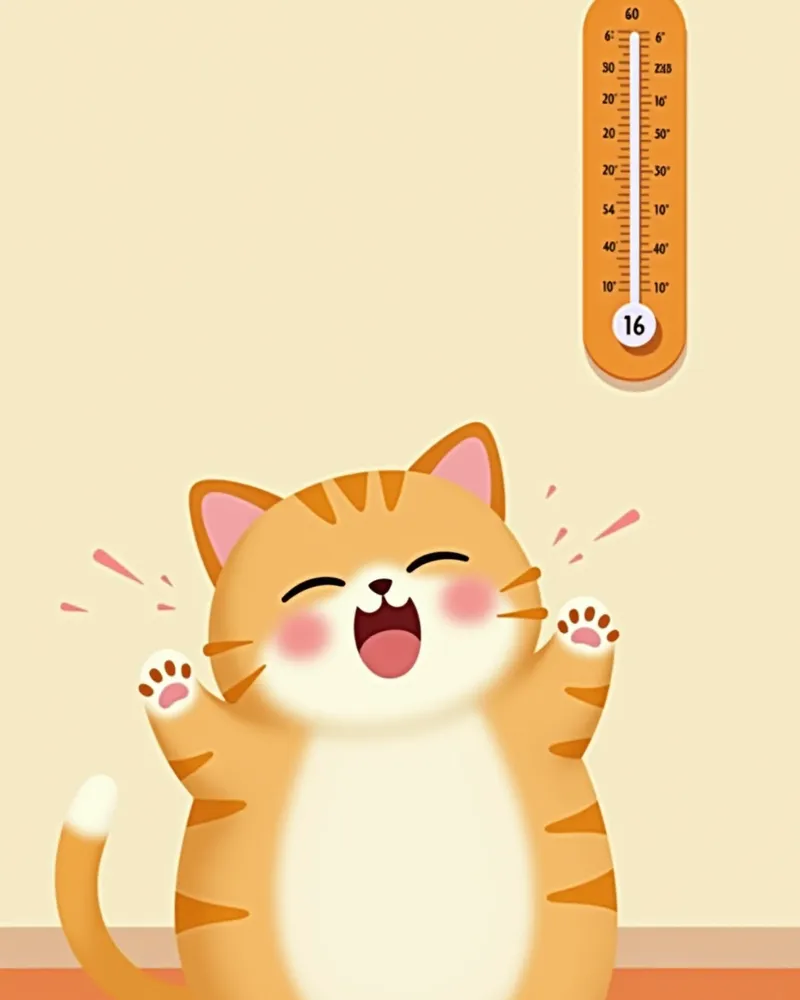
A cat safely using an electric heating bed with a safety cover

Do Not Miss the Early Signs of Hypothermia
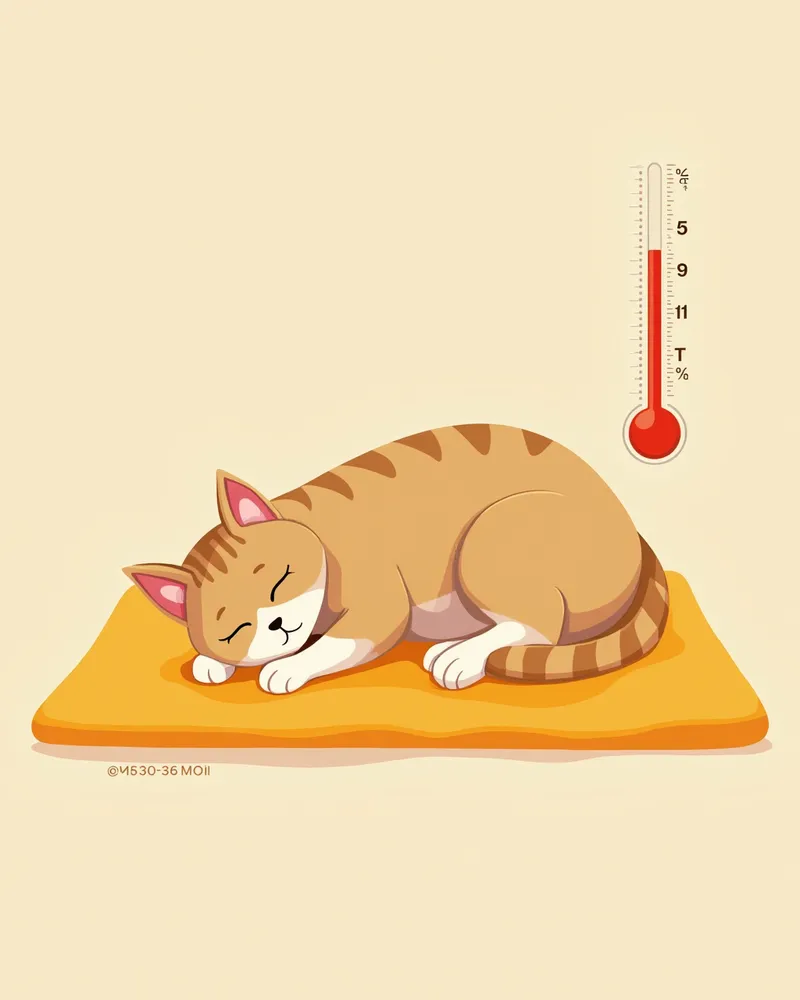
The early signs of hypothermia in cats include shivering, lethargy, drowsiness, and loss of appetite. As the condition worsens, breathing slows, consciousness becomes clouded, and blood pressure drops, potentially leading to collapse or loss of consciousness. If you notice these symptoms, immediately move your cat to a warm environment and gradually restore their body temperature over 2–3 hours using warm towels. Be cautious not to warm them too quickly, as this can be dangerous, and seek veterinary care promptly in severe cases. - Early detection is key: Take immediate action if shivering or drowsiness persists. - How to restore body temperature: Wrap your cat slowly in warm towels. - When to visit the vet: Go to the clinic immediately if breathing slows or your cat becomes unresponsive. - A serious risk: Hypothermia can be life-threatening, so never ignore it. - Your role as a caregiver: Monitor your cat daily to catch any changes in their condition.
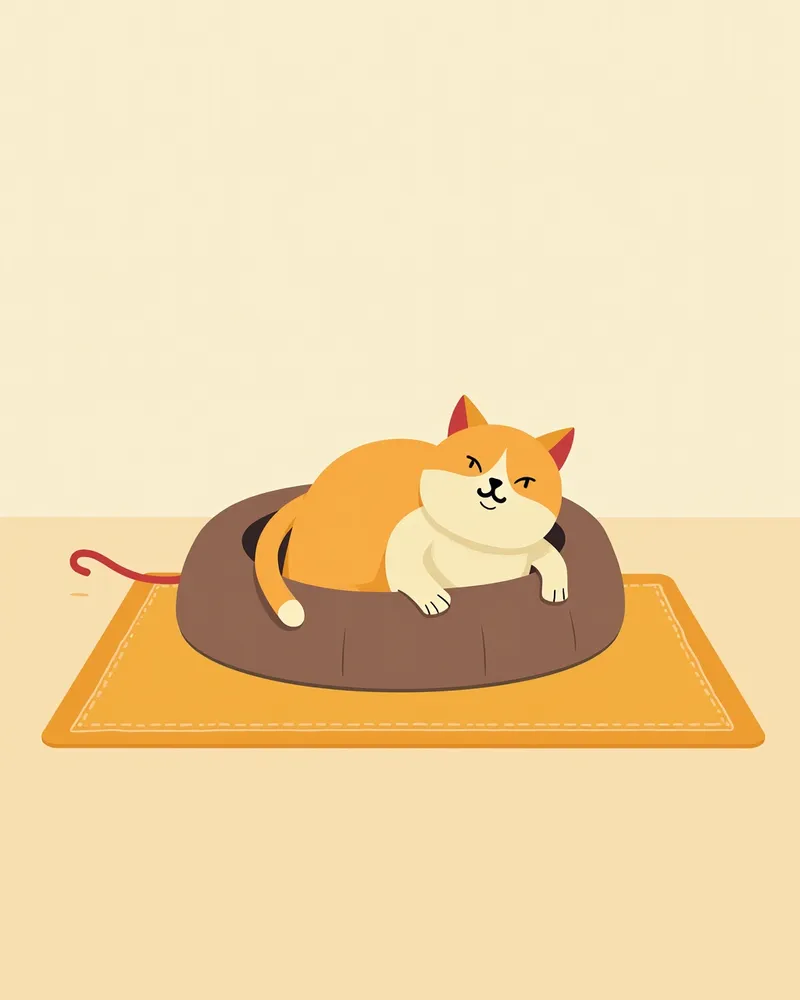
A cat showing early signs of hypothermia lying on a warm blanket

Comparison Table of Cat Warming Devices by Type

ItemElectric Heating MatElectric HeaterHeated BedWarm Blanket
SafetyMedium (burn risk, install to avoid direct contact)Medium (access restriction needed)HighLow (burn risk)
Temperature ControlAvailable (automatic control)Available (manual adjustment)Available (temperature maintenance)Not available
Ease of UseMediumLowHighHigh
Recommended BreedsAll breedsLong-haired catsSenior catsHealthy adult cats

An electric heating mat should be installed so the cat does not touch it directly for safety. Electric mats and electric blankets can cause thermal injuries such as burns if used incorrectly, so be sure to check the temperature control function. Use warm blankets for short-term warming. Vulnerable cats such as newborn kittens or senior cats need adequate temperature maintenance, so standalone use is not recommended.

Tips for Regulating the Indoor Environment to Prevent Hypothermia
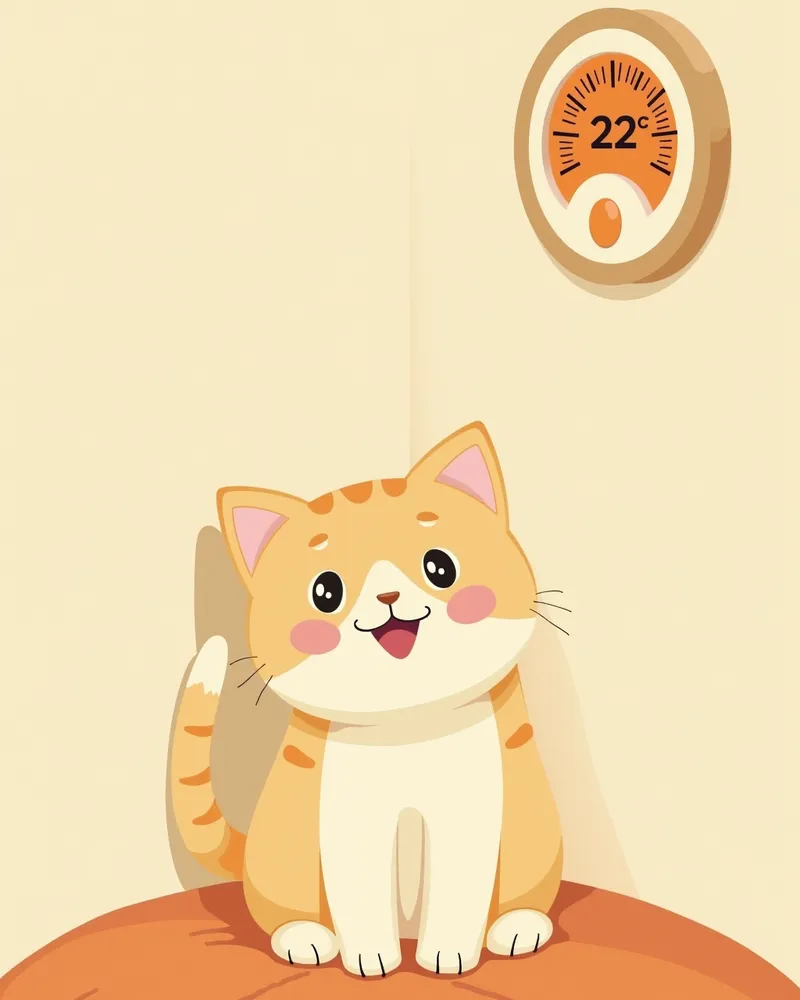
To prevent hypothermia in cats, it’s important to regulate the indoor environment. Seal windows and doors to block cold drafts, and when ventilating, keep them open only briefly to maintain air circulation. Provide a warm bed or blanket in areas where your cat spends most of its time, but be careful not to place it directly next to a heater. Additionally, if the heater temperature is too high, the air can become dry and cause skin discomfort, so adjust it appropriately. - Maintain indoor temperature: Keep the room warm and free from drafts, and provide an environment of 27–32°C for newborn kittens. - Manage air circulation: When ventilating, open windows or doors for only 5–10 minutes. - Secure a warm space: Prepare a cozy bed in your cat’s favorite spot. - Prevent dryness: Use a humidifier to regulate air humidity. - Safe placement: Avoid placing beds next to heaters or in direct sunlight. - Regular checks: Monitor changes in the indoor environment daily.
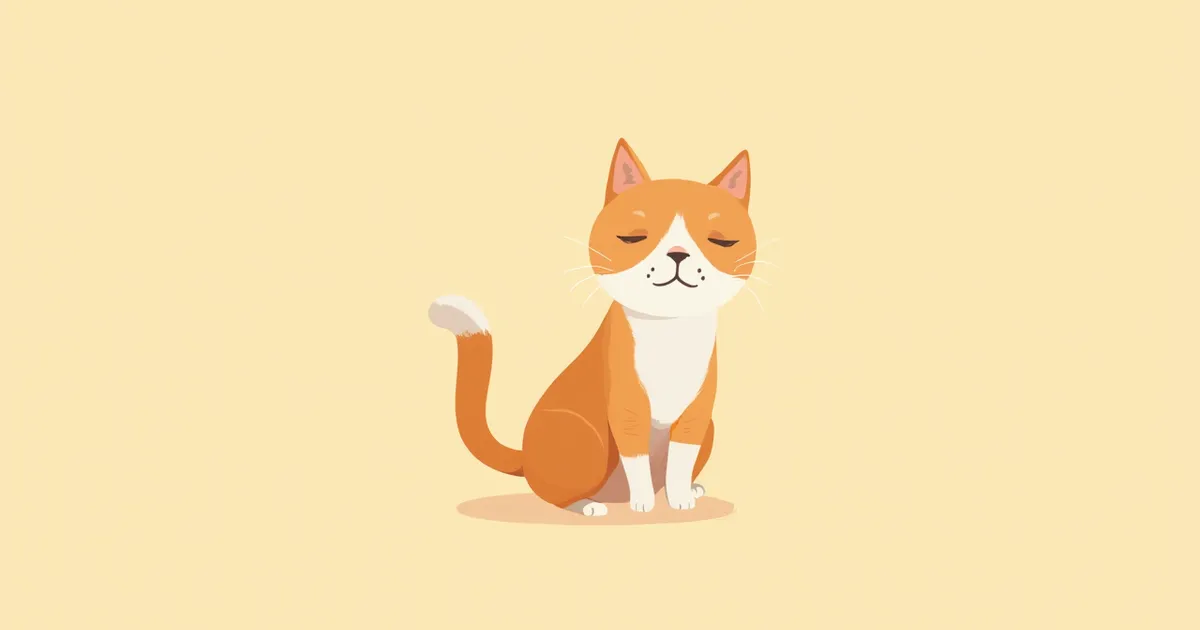
A cat resting comfortably in a warm indoor environment.

Immediate Veterinary Visit Is Necessary If Hypothermia Is Suspected

If your cat shows symptoms such as shivering, lethargy, or slowed breathing, hypothermia should be suspected. This is an acute, life-threatening condition, so immediate veterinary care is essential. Attempting to rapidly raise your cat’s body temperature at home can be dangerous; instead, follow your veterinarian’s instructions for safe management.

Daily Management Checklist for Prevention

The key to managing cats during winter cold snaps is prevention. Check indoor temperatures daily and observe your cat’s behavior and condition. Regularly inspect heating equipment to ensure wires are not damaged. Carefully monitor whether your cat prefers warmer areas, is shivering, or has a normal appetite. These habits are the first step in preventing hypothermia. - Temperature checks: Monitor indoor temperatures in the morning and evening. - Behavioral observation: Watch for shivering, lethargy, or decreased appetite. - Equipment inspection: Periodically check for damaged wires or overheating. - Warmth verification: Ensure the areas where your cat spends the most time are adequately warm. - Environmental adjustments: Avoid placing beds directly next to heaters and maintain proper air circulation. - Record keeping: Briefly note any changes in condition to aid in early detection.
A cat owner creating a winter care checklist for their feline friend.

Reviewed by a veterinarian

Dr. Tony — Punnawat Phongkittirak

Dr. Tony — Punnawat Phongkittirak

Veterinarian

A veterinarian who majored in veterinary medicine at Khon Kaen University, Thailand, and completed the IVSA program at North Carolina State University in the United States. Drawing on clinical experience at animal hospitals, he works in the pet healthcare field and is dedicated to building a digital care environment that connects pet parents with veterinarians.

Frequently Asked Questions

What is the ideal indoor temperature for cats?
It’s best to keep the indoor spaces where your cat spends time warm and draft-free. For newborn kittens, a comfortably warm environment of 27–32°C is recommended. While healthy adult cats will naturally seek out warmer spots to avoid the cold, older cats or those with health conditions require extra attention to staying warm.
Are electric heating mats safe for cats?
Using a product with a safety cover and installing it so your cat can’t directly touch it is relatively safe. However, improper use can pose a burn risk, so be sure to check the temperature control feature and always follow the manufacturer’s instructions.
Is your cat shivering because it’s hypothermic?
Shivering is one of the early signs of hypothermia. If your cat starts shivering, move them to a warm area right away, and consult your veterinarian if the shivering persists.
Do short-haired cats need extra warmth in winter?
Yes, short-haired cats have less natural insulation, so they lose body heat more easily in cold environments. It’s important to provide a warm bed and blankets, and to protect them from drafts.
Is a warm blanket alone sufficient without any heating equipment?
While it can help with short-term warmth, it has limitations for prolonged use. Especially for vulnerable cats like newborn kittens or senior cats, maintaining a consistent temperature is crucial, so using it in combination with an electric heating mat or a warming bed is more effective.

Share

Related Guides

References

[1] The Cat, Clinical Medicine and Management, 2nd Edition, 2021

[2] Small Animal Anesthesia and Pain Management A Color Handbook, 3rd Edition, 2020

[3] Feline Emergency and Critical Care Medicine, 2nd Ed, 2019

This information is based on veterinary literature and does not replace diagnosis or treatment. Please consult a veterinarian for specific health concerns.

Metapet Co., Ltd. | CEO: Park Sung-yong | Business Reg. No. 417-88-02562 | Seoul, South Korea | Customer Center

Cat Winter Cold Care & Hypothermia: Owner Checklist | Meongsiljang