Like
Share
멍실장
강아지 구강 궤양 증상과 원인, 진단·치료와 관리 포인트 총정리

Canine Oral Ulcers: Symptoms, Causes, Diagnosis, Treatment, and Management Essentials

Oral HealthDiseasesMeongsiljang Veterinary Advisory Board

Canine oral ulcers are painful sores that develop in the mouth, with causes ranging from inflammation and infection to immune-mediated diseases. Early detection and proper management are essential.

What Are Canine Oral Ulcers?

A close-up photo of an ulcer that has formed in a puppy's mouth.
Canine oral ulcers are painful lesions where the inner lining of the mouth erodes, extending down to the submucosal and muscle layers, which can significantly hinder eating and chewing. - Inflammatory ulcers: These arise from contact irritation or trauma caused by teeth. They are typically temporary and heal once the underlying cause is removed. - Infectious ulcers: Fungal infections, such as Candida, or bacterial infections can be the cause. However, whether they are contagious to other animals depends on the specific cause, making it difficult to generalize. - Immune-mediated ulcers: These occur when an immune system dysfunction causes plasma cells and lymphocytes to attack the dog’s own oral mucosa. They may recur or be accompanied by systemic symptoms, making early diagnosis and appropriate management crucial. Prolonged or worsening ulcers can lead to complications such as decreased appetite and weight loss, so close attention is necessary.

What Are the Main Causes of Oral Ulcers?
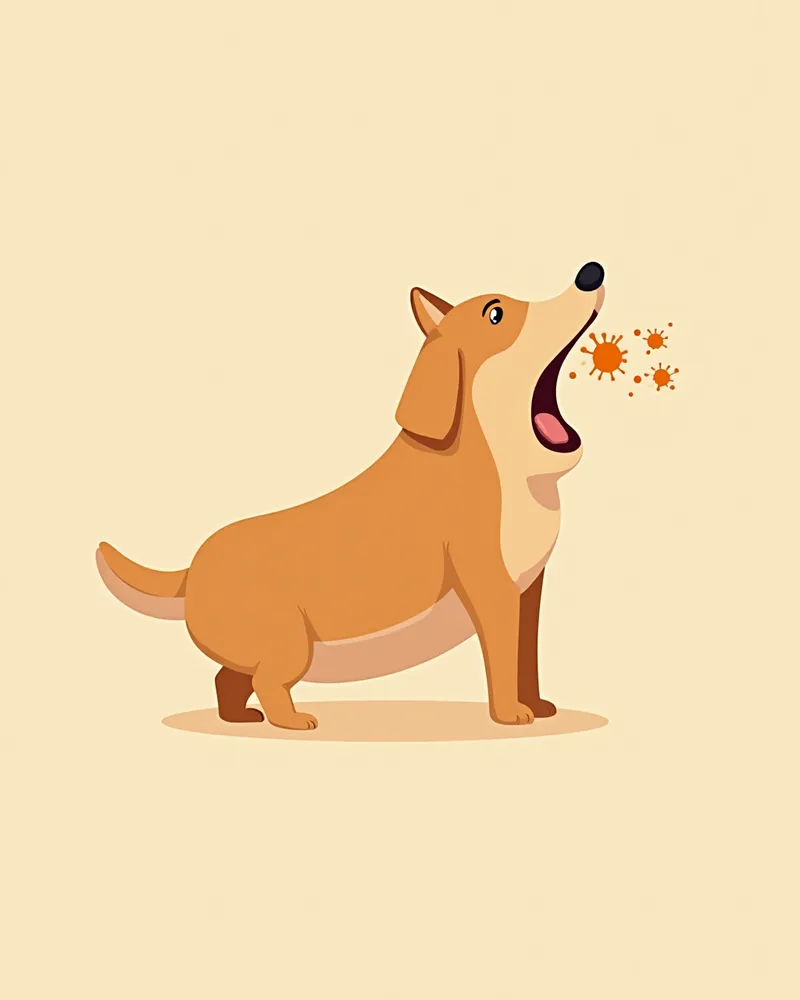
There are many possible causes of oral ulcers in dogs. - Immune system disorders: Autoimmune reactions can cause plasma cells and lymphocytes to attack the oral mucosa, potentially leading to chronic ulcerative stomatitis (CCUS). - Bacterial and fungal infections: Ulcers may develop when bacteria or fungi, such as Candida, invade or proliferate around the teeth or on the mucous membranes. - Trauma and contact irritation: Causes can include injuries from hard treats or toys, as well as chemical, thermal, or electrical burns to areas where the teeth make contact. - Dental plaque and breed predisposition: While the exact cause of chronic ulcerative stomatitis remains unknown, it appears more frequently in certain purebred dogs and may be associated with periodontal disease caused by plaque buildup. Accurately identifying the underlying cause is key to effective treatment.
Diagram illustrating the mechanism by which the immune system attacks the oral mucosa

Check for Key Symptoms and Signs

If you suspect your dog has oral ulcers, the symptoms can vary. Common signs include reluctance to open the mouth, food refusal, excessive drooling, bad breath, and visible red or white spots inside the mouth. In particular, if your dog shows resistance to chewing, immediate veterinary examination is necessary.
Reluctance to open the mouth: Your dog may refuse to open its mouth or show signs of pain when attempting to do so.
Food refusal: Your dog may struggle to eat or repeatedly drop food from its mouth.
Increased drooling: Pain in the mouth can cause frequent drooling, and sometimes blood may be present in the saliva.
Worsening bad breath: Bacterial infections or ulcers can lead to severe halitosis.
Red spots inside the mouth: The mucous membranes may appear red, with white spots, erosions, or ulcers visible. If left untreated, these symptoms can lead to decreased appetite, weight loss, and overall deterioration of health.
A photo showing ulcers with red and white spots in a dog’s mouth

When to Visit the Vet Immediately

If your dog is unable to eat, hasn’t opened its mouth in over a day, is excessively drooling, or has lost weight rapidly, please visit a veterinary clinic immediately. These symptoms may indicate a serious infection or an autoimmune disease.

Tests Needed for Accurate Diagnosis
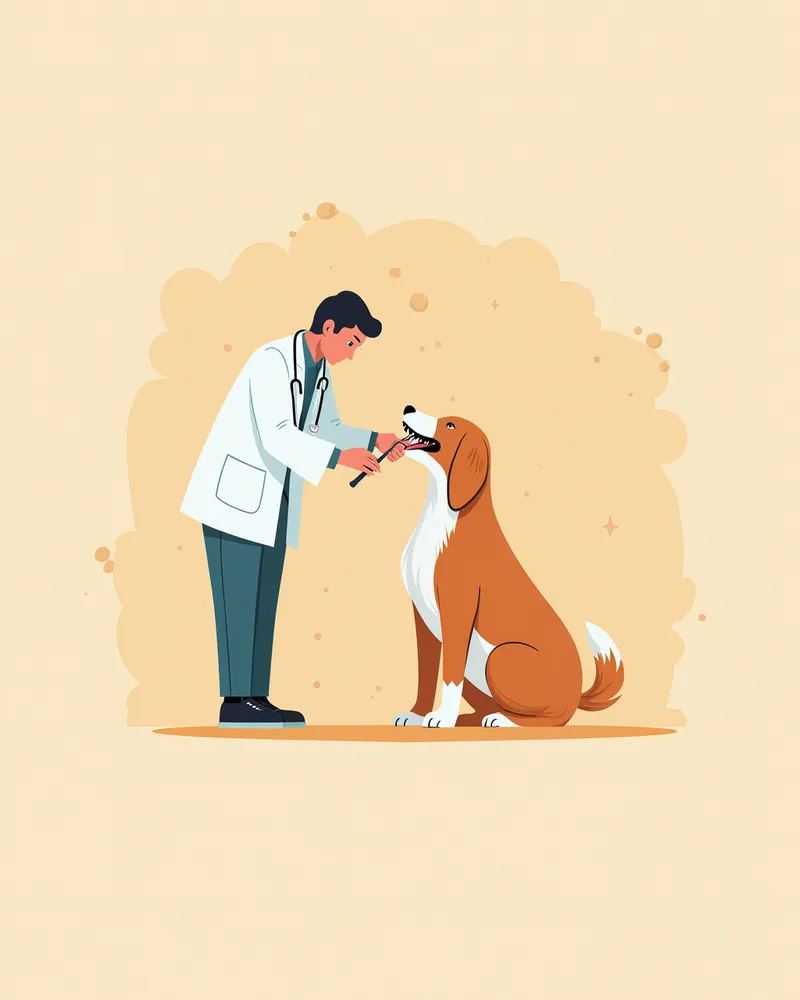
Diagnosing oral ulcers requires more than a simple visual examination. - Blood tests: To check for immune system abnormalities and assess overall health. - Tissue biopsy: To accurately determine the nature of the ulcer and rule out malignancy. - Bacterial culture: To identify the specific cause of infection by testing discharge. - X-rays or endoscopy: To check for abnormalities in the tooth roots or bone. - Clinical symptom analysis: To comprehensively evaluate signs such as food refusal, drooling, and weight loss. Effective treatment is difficult without an accurate diagnosis.
A scene showing a veterinarian examining a puppy's mouth.

Treatment Methods and Step-by-Step Management

Treatment for oral ulcers depends on the underlying cause. - Plaque control and dental procedures: In chronic ulcerative stomatitis, thorough plaque management is essential. This may involve scaling and polishing under anesthesia, along with strategic extraction of teeth in inflamed areas. In many cases, full-mouth extractions may ultimately be necessary. - Immunosuppressants: These are used when the condition is autoimmune in nature. However, prolonged or excessive use of steroids can worsen long-term outcomes, so they must be used cautiously. - Antibiotics or antifungals: These are prescribed if a bacterial or fungal infection is confirmed. - Pain relievers: These are administered alongside other treatments to help manage pain. - Oral rinses: These help keep the mouth clean and support the healing process. - Nutritional management: Soft foods are recommended to maintain adequate nutrition. - Regular follow-up examinations: These are important for monitoring treatment response and making adjustments as needed. Consistent care throughout the treatment period is crucial.
A veterinarian administering oral medication to a puppy

Home Care Essentials

Home care is crucial to the success of treatment. It is important to offer soft food and clean the mouth frequently. If excessive drooling occurs, wipe the chin or use a specialized oral rinse. While administering medication, carefully monitor for any side effects and consult with your veterinarian.
Provide soft food: Mash meat or use jelly-style pet food.
Use oral rinse: Regularly use products recommended by your veterinarian.
Manage medication: Ensure doses are given at the prescribed times.
Clean the mouth: Gently wipe with a soft cloth once or twice daily.
Reduce stress: Allow your pet to rest comfortably in a quiet environment.
A scene of a puppy eating soft food and wiping its mouth

Preventing Recurrence and Breed-Specific Risks

Certain purebred dogs are more susceptible to chronic ulcerative stomatitis. For example, breeds like the Shih Tzu have been reported to have a higher risk of chronic inflammation due to immune system abnormalities, even though the exact cause remains unknown. Additionally, dogs with dental issues or anatomical structures where the mucosa repeatedly rub against the teeth are at greater risk of recurrence. Regular oral examinations and dental care are essential.

Reviewed by a veterinarian

Dr. Tony — Punnawat Phongkittirak

Dr. Tony — Punnawat Phongkittirak

Veterinarian

A veterinarian who majored in veterinary medicine at Khon Kaen University, Thailand, and completed the IVSA program at North Carolina State University in the United States. Drawing on clinical experience at animal hospitals, he works in the pet healthcare field and is dedicated to building a digital care environment that connects pet parents with veterinarians.

Frequently Asked Questions

Can oral ulcers in dogs be treated?
Yes, with appropriate treatment based on the cause, most cases can be improved or managed. Early detection is key.
What should I do at home if my pet develops oral ulcers?
First, observe for signs of food refusal or pain-related behavior, and consult your veterinarian. Offering soft food and gently cleaning your pet’s mouth can be helpful.
Are oral ulcers contagious?
There is no clear evidence that oral ulcers themselves are contagious. Because they often stem from non-infectious causes such as immune system abnormalities, trauma, or dental contact, they are generally not considered contagious. However, management depends on the underlying cause, so identifying the exact cause is the most important step.
Do I need to extract my pet’s teeth if oral ulcers develop?
If the ulcers are caused by dental issues or chronic ulcerative stomatitis, extraction of the affected teeth may be necessary. However, your veterinarian will make this decision after an accurate diagnosis.
What should I do if my pet’s mouth ulcers keep coming back?
If the condition recurs, we need to reevaluate the underlying cause through blood tests or a tissue biopsy and adjust the treatment plan accordingly. Early diagnosis and proactive management are essential when symptoms keep coming back.

Share

Related Guides

References

[1] Plumb's Veterinary Drug Handbook, 9th Edition, 2022

[2] Clinical Medicine of the Dog and Cat, 4th Edition, 2021

[3] Small Animal Cytologic Diagnosis: Canine and Feline Disease, 2nd Edition, 2020

This information is based on veterinary literature and does not replace diagnosis or treatment. Please consult a veterinarian for specific health concerns.

Metapet Co., Ltd. | CEO: Park Sung-yong | Business Reg. No. 417-88-02562 | Seoul, South Korea | Customer Center

Canine Oral Ulcers: Causes, Symptoms & Treatment | Meongsiljang