Like
Share
멍실장
강아지 물건·음식 지키기 행동, 자원공격성 원인과 교정 방법

Dog Resource Guarding: Causes and Correction Methods

Brain & CognitionQ&AMeongsiljang Veterinary Advisory Board

We’ve put together a clear, easy-to-understand guide for pet owners on resource guarding in dogs—covering the causes of growling when protecting food bowls or toys, warning signs to watch for, and step-by-step correction methods.

What Is Canine Resource Guarding?
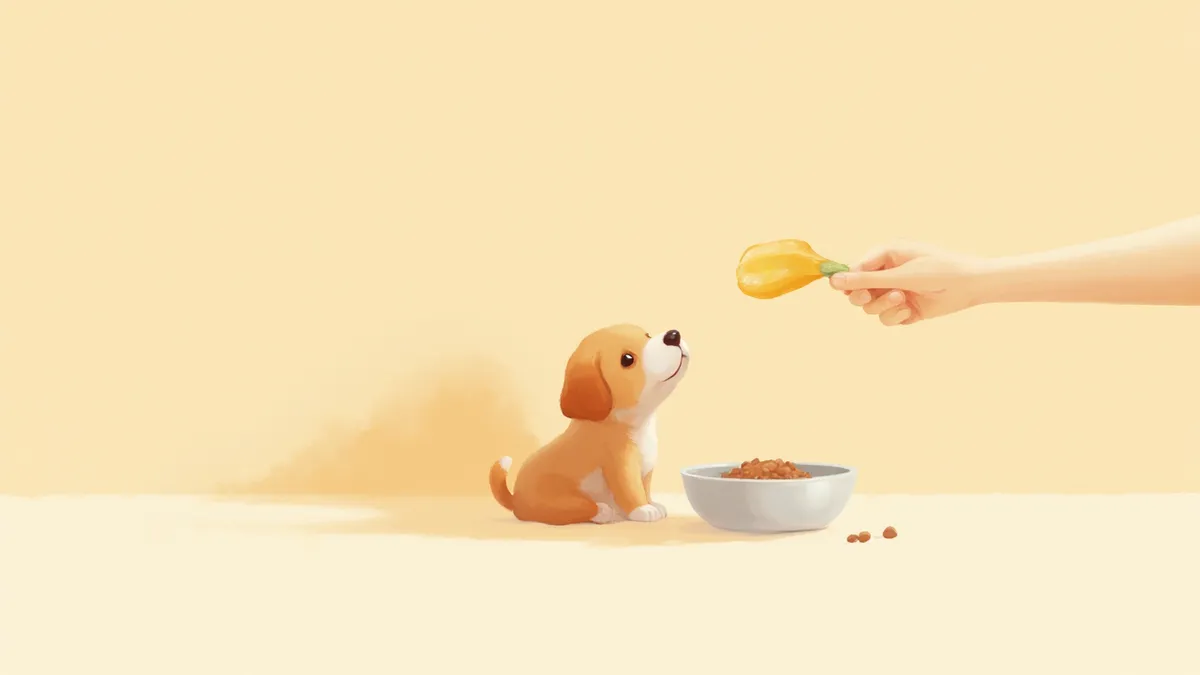
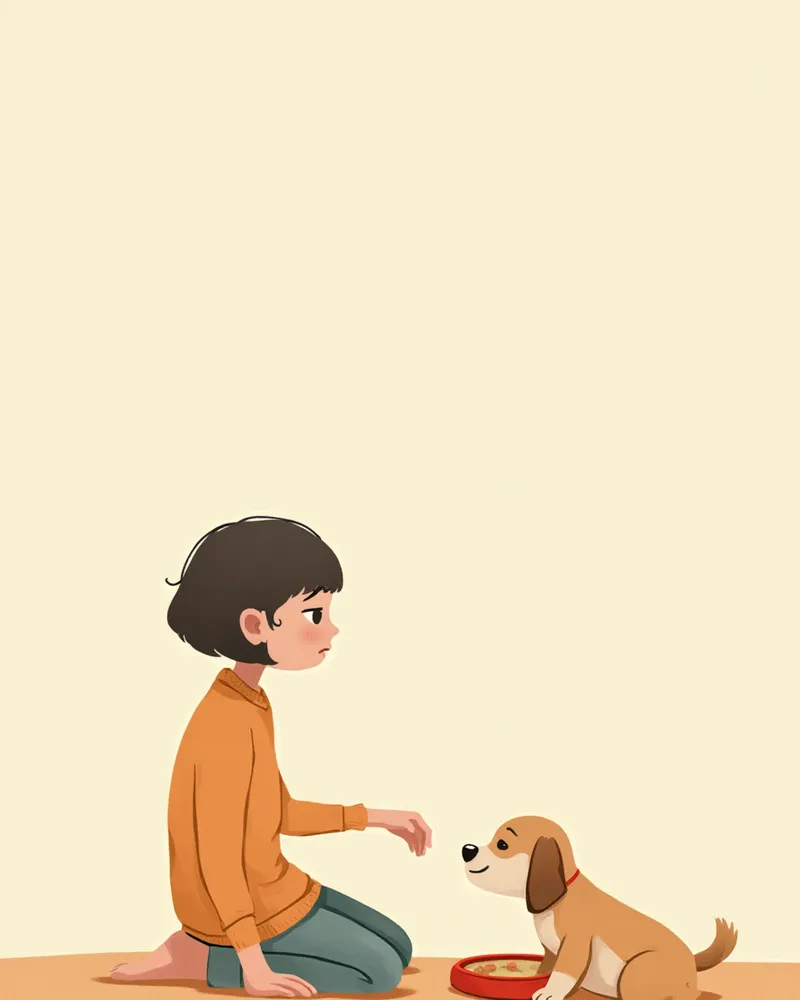
A puppy gazing up at its owner’s hand beside the food bowl
Canine resource guarding is a defensive behavior in which dogs growl or bite to protect resources they value, such as food, treats, toys, or resting areas. The key point is that this isn’t due to bad manners, but rather a fear-based reaction driven by the anxiety of having something taken away. Scolding or forcibly removing the item will only intensify the behavior. The core strategy is to create positive associations so that your dog learns good things happen when you approach their resources.

Why Does My Dog Guard Food and Toys?

Resource guarding in dogs depends on how much value they place on the resource and their past experiences. In particular, when the fear of having something taken away is repeatedly reinforced through learning, the behavior becomes increasingly entrenched. This tendency is more common in dogs that faced intense competition for food with their littermates as puppies, had their food bowls suddenly snatched away by their owners during meals, or were rescued from the streets and developed significant anxiety over resources. The commonly cited notion of "dominance disputes" is actually a misconception. Learned experiences and fear have a far greater impact on behavior than breed alone.

Warning Signs of Resource Guarding by Stage

ItemMildModerateSevere
Behavioral signalBody stiffens, eats rapidlyGrowling, lifting the lipsLunging, biting
Owner distanceWhen approaching within 1–2 mWhen approaching within arm's reachReacts even when entering the room
Recovery timeA few secondsTens of secondsStays agitated for several minutes or more
ResponseObserve from a distanceProfessional consultation recommendedSee a behavioral medicine specialist immediately

At the severe stage, do not attempt correction yourself; a professional must be present.

Common Mistakes to Avoid
Bowl snatching: Repeatedly having the bowl taken away teaches the dog to guard it more quickly next time.
Placing a hand in the bowl: This builds a sense of danger, making the dog feel that "if a hand comes into my bowl, it's a threat."
Scolding or hitting: Fear can turn into anger, leading to more intense biting.
Alpha roll and other dominance-based training: Veterinary behavior experts warn that forceful training methods do not address the underlying fear causing aggression and may actually worsen aggressive behavior. Remember that resource guarding is not about "dominance struggles," but rather about "fear."
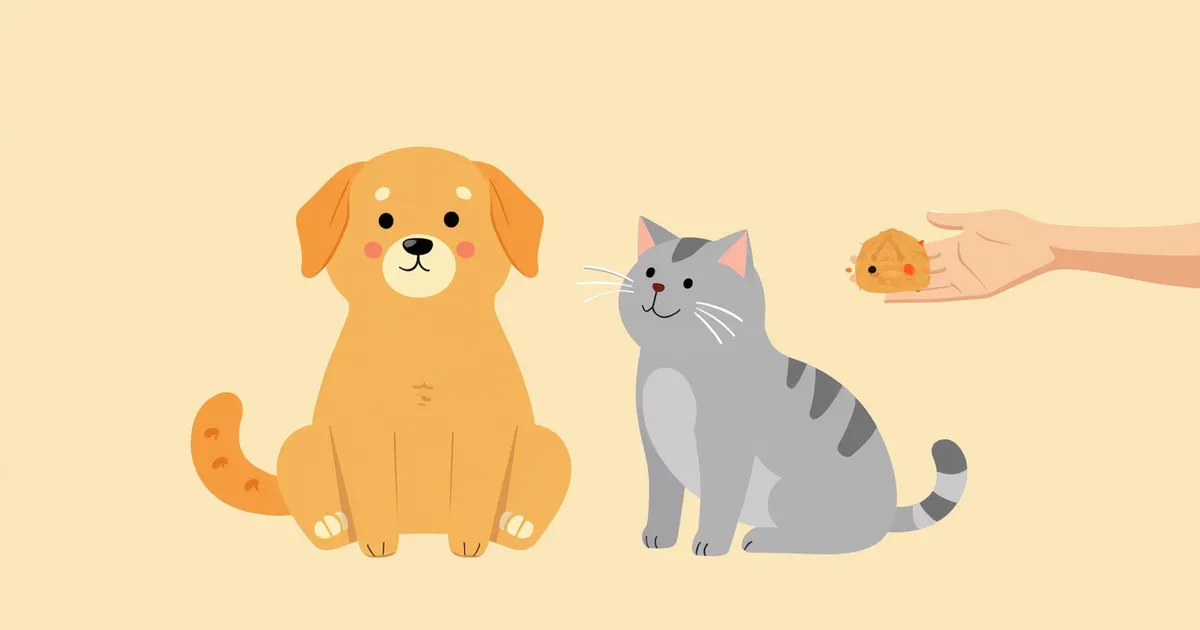
A pet owner offering treats to their dog from a distance

When to See a Veterinary Behaviorist

If any of the following apply, seek a veterinary clinic that offers behavioral medicine consultations rather than working with a general dog trainer: your dog has actually bitten a person; the behavior occurs in a household with children; your dog remains highly aroused for an extended period even after being removed from the trigger; or barking and lunging occur simultaneously. If your dog has bitten someone, resulting in bruising or wounds, do not attempt to correct the behavior on your own. Instead, consult a professional to develop a safety plan first.

Step 1 of Home Correction: Environmental Management
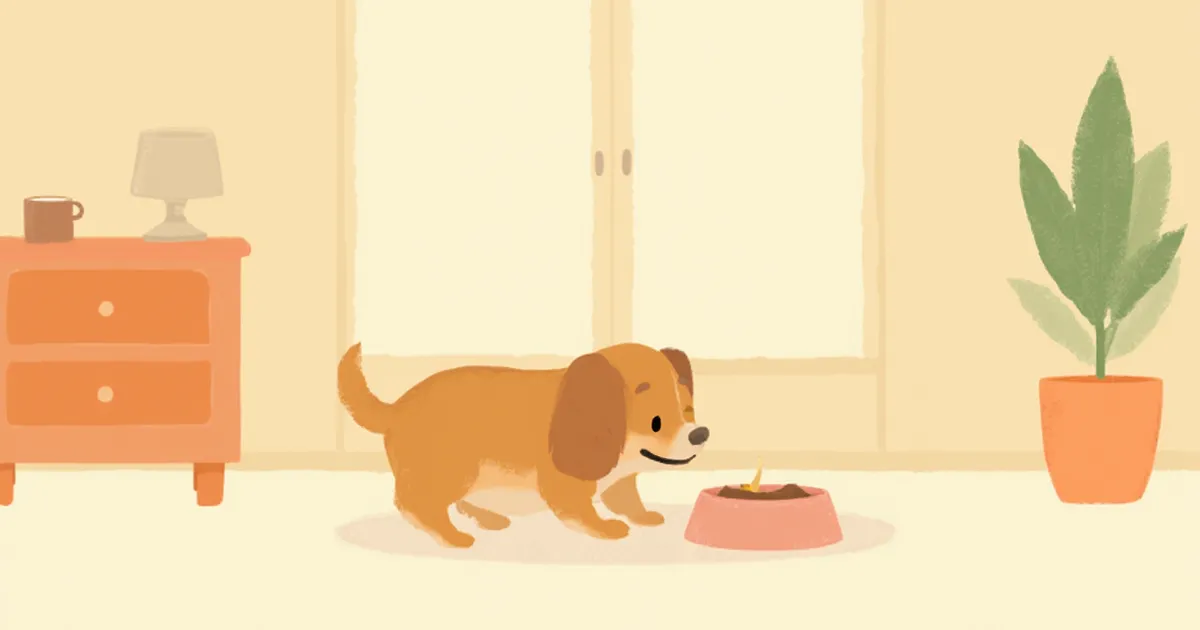
Before starting behavior modification, first create an environment that avoids triggering growling altogether. Feed your dog in a quiet corner where people don’t walk by, and don’t approach until they’ve finished eating. Reserve high-value treats (chews, bones) for inside the crate only, or withhold them entirely for a while. In multi-dog households, feed meals and treats in separate spaces. Reducing stimulation allows your dog’s arousal level to naturally decrease.
A puppy eating its food in a quiet space

Step 2 of Home Correction: Exchange Training

Exchange training teaches your dog that when people approach their resources, something even better appears. While your dog is eating their regular kibble, gently toss a higher-value treat, such as chicken breast, near their bowl from a distance of 1 to 2 meters. Repeat this process for 1 to 2 weeks at every meal, then gradually decrease the distance. If your dog shows warning signs like growling, immediately increase the distance and return to the previous step. The key is to never push too hard in a single session. Please also refer to our Dog Separation Anxiety Behavior Modification Guide for additional information.

Medication May Be Necessary

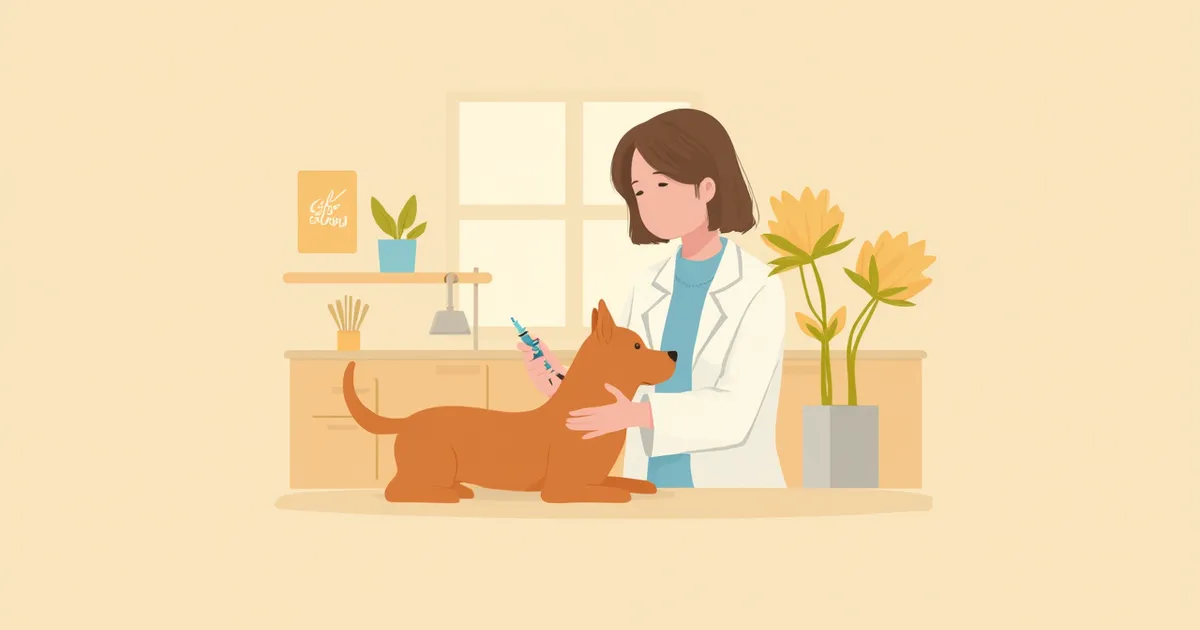
When behavior modification alone isn’t enough, veterinarians may prescribe anti-anxiety medications (such as fluoxetine) alongside it. These medications don’t replace training; instead, they help lower your dog’s anxiety to a level where learning becomes possible. The vet will determine the appropriate medication type and duration based on your dog’s weight, underlying health conditions, and severity of the behavioral issues. Medication alone has limited effectiveness and must always be combined with a behavior modification program to see meaningful improvement.

Reviewed by a veterinarian

Dr. Tony — Punnawat Phongkittirak

Dr. Tony — Punnawat Phongkittirak

Veterinarian

A veterinarian who majored in veterinary medicine at Khon Kaen University, Thailand, and completed the IVSA program at North Carolina State University in the United States. Drawing on clinical experience at animal hospitals, he works in the pet healthcare field and is dedicated to building a digital care environment that connects pet parents with veterinarians.

Frequently Asked Questions

Can you prevent this by training your puppy to get used to having their hands in their food bowl from an early age?
In fact, it can backfire. Veterinary behavior specialists report that frequently reaching into your dog’s food bowl during meals can heighten fear and anxiety, potentially triggering resource guarding. Instead, tossing high-value treats from a distance is a safer and more effective approach.
Will neutering reduce resource guarding behavior?
Resource guarding is a behavior rooted more in the perceived value of the resource, past experiences, and fear-based learning than in hormones. Therefore, it is unlikely to be resolved by spaying or neutering alone. The key lies in environmental management and behavior modification to build positive associations around the resource. It is best to consult with your veterinarian to determine whether spaying or neutering is appropriate for your pet.
My dog also guards resources from other dogs. What should I do?
In multi-dog households, the top priority is to provide meals, treats, and toys in separate areas. Simply preventing competition over resources in the same space can significantly reduce conflicts.
How long does orthodontic treatment usually take?
The time required varies significantly depending on individual differences and the severity of the condition. Even in mild cases, consistent corrective training may take several weeks to several months or longer, while moderate to severe cases often require considerably more time. Rather than expecting quick results, it is important to focus on building a solid foundation that prevents relapse.
Could it suddenly start due to an illness?
Yes, sudden-onset resource guarding can be caused by underlying physical conditions such as pain or gastrointestinal issues. If your pet has recently started exhibiting new behaviors related to guarding specific locations or resources, it’s a good idea to have them undergo a physical examination at a veterinary clinic to check for any physical discomfort.

Share

Related Guides

References

[1] Horwitz D., Mills D., BSAVA Manual of Canine and Feline Behavioural Medicine, 2nd ed., BSAVA, 2009

[2] Landsberg G., Hunthausen W., Ackerman L., Behavior Problems of the Dog and Cat, 3rd ed., Saunders, 2013

[3] Shepherd K., Veterinary Guide to Preventing Behavior Problems in Dogs and Cats, Wiley-Blackwell, 2021

[4] Bowen J., Heath S., Behavior Problems in Small Animals: Practical Advice for the Veterinary Team, Saunders, 2005

This information is based on veterinary literature and does not replace diagnosis or treatment. Please consult a veterinarian for specific health concerns.

Metapet Co., Ltd. | CEO: Park Sung-yong | Business Reg. No. 417-88-02562 | Seoul, South Korea | Customer Center

Dog Resource Guarding: Causes, Warning Signs & Correction | Meongsiljang