
Dog Diaphragmatic Hernia FAQ — Key Information Pet Owners Must Know
A diaphragmatic hernia in dogs is a serious respiratory condition that can occur after trauma. We’ve compiled the key information pet owners need to know in a Q&A format.
What is a diaphragmatic hernia in dogs?
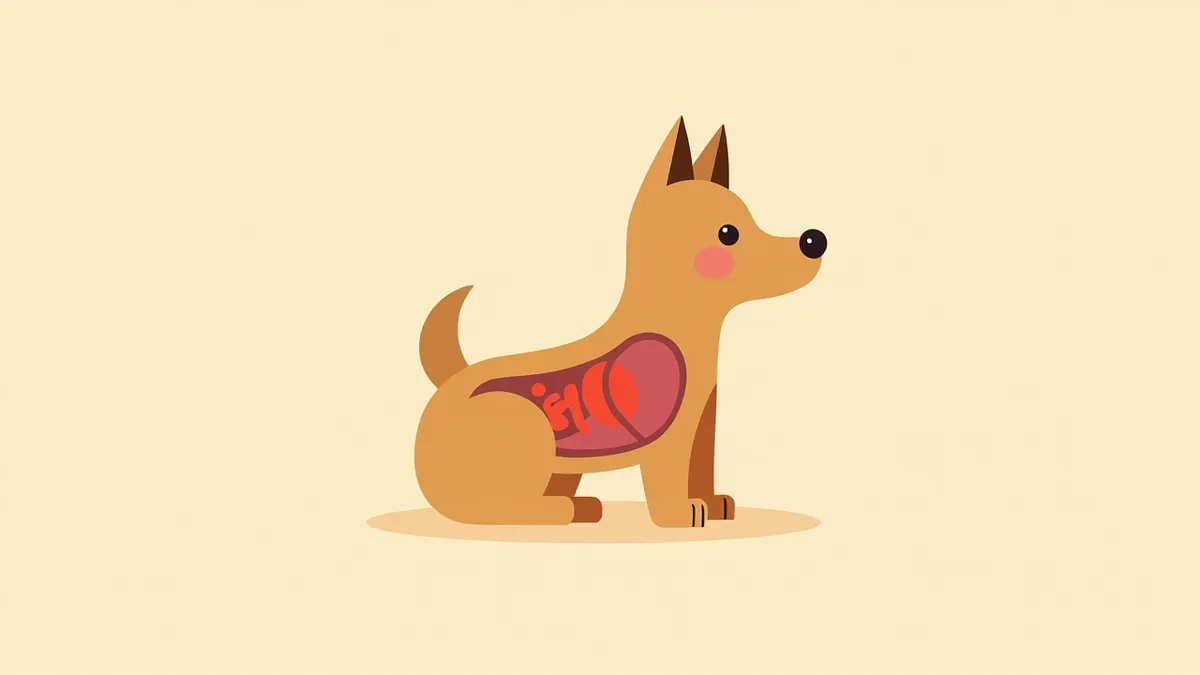
What causes a diaphragmatic hernia?

What are the main symptoms?

Signs requiring immediate veterinary visit
If your dog suddenly starts panting heavily, their mouth turns blue, or they collapse and become unresponsive, you need to go to the vet immediately. This is a life-threatening emergency. If their breathing and heart rate increase, the vet needs to take immediate action. Delaying treatment can lead to organ damage or death.
How is it diagnosed?
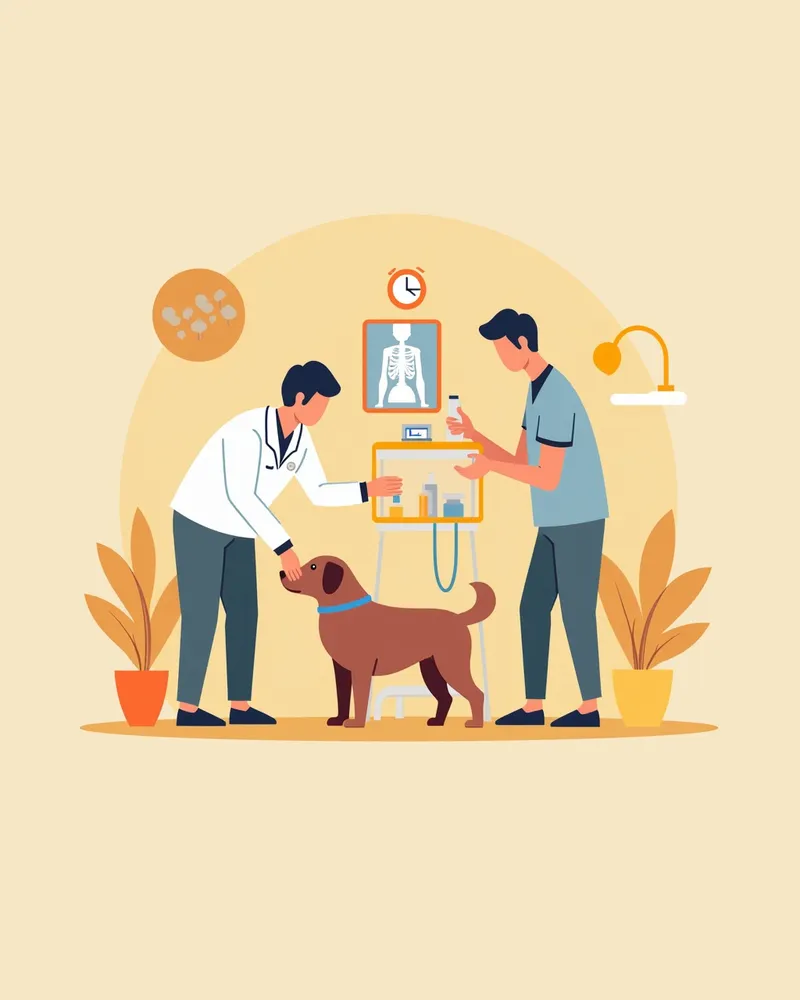
What are the treatment options?

Mild vs. Severe vs. Emergency Situations Comparison
| Item | Symptom | Breathing Status | Consciousness Status | Emergency Response |
|---|---|---|---|---|
| Mild | Slight shortness of breath | Slightly faster | Normal | Schedule a hospital visit |
| Severe | Severe shortness of breath, cough | Very fast | Lethargic | Immediate hospital visit |
| Emergency | Blue mouth, collapse | Risk of stopping | Loss of consciousness | Visit the emergency room |
If symptoms worsen, an immediate hospital visit is needed. Delay increases the threat to life.
Small Breeds Are at Higher Risk
Diaphragmatic hernias can occur in any dog that has suffered trauma, regardless of breed or body type. If your dog shows rapid or abnormal breathing after an injury, it’s essential to have them examined by a veterinarian. To help prevent this, always secure your dog safely when traveling in a vehicle.
Reviewed by a veterinarian

Dr. Tony — Punnawat Phongkittirak
VeterinarianA veterinarian who majored in veterinary medicine at Khon Kaen University, Thailand, and completed the IVSA program at North Carolina State University in the United States. Drawing on clinical experience at animal hospitals, he works in the pet healthcare field and is dedicated to building a digital care environment that connects pet parents with veterinarians.
Reviewed 2026-06-29
Frequently Asked Questions
Can a diaphragmatic hernia be treated?
How long does the recovery period after surgery take?
Can a diaphragmatic hernia recur?
Can it be prevented?
Can a veterinarian miss a hernia?
Share
Related Guides

Top Recommended Feline Bronchodilators and Selection Criteria: A Complete Guide

Best Recommendations and Selection Criteria for Monitoring Your Cat’s Respiratory Rate (RR) During Sleep for Heart Care
Best Recommendations and Selection Criteria for Monitoring Your Dog’s Respiratory Rate (RR) During Sleep for Heart Care

Risk of Bowel Obstruction and Emergency Signs When a Dog Swallows a Corn Cob
How to Read Your Dog’s BUN and Creatinine Levels — Interpreting Kidney Test Results

Canine Separation Anxiety: Is Medication Necessary? — Key Points on Medical Diagnosis and Pharmacological Treatment

Diabetic Dog Dietary Management — Prescription Diet Recommendations and Feeding Time Guide

Feline Mammary Tumors: Why the Malignancy Rate Is Higher Than in Dogs and When to Operate

Symptoms When Dogs Eat Garlic and Criteria for Visiting the Vet — Emergency Response by Ingestion Amount

Cat Subcutaneous Fluids — Home Administration Procedure and Frequency Guide
References
[1] Plumb's Veterinary Drug Handbook, 9th Edition, 2022
[2] Clinical Medicine of the Dog and Cat, 4th Edition, 2020
[3] Veterinary Surgery: Small Animal, 2nd Edition, 2019