

How to Find a 24-Hour Animal Hospital and Use Emergency Care
We’ve put together a guide to help you quickly find a 24-hour animal hospital and make the most of emergency care for your pet.
Why You Must Know About 24-Hour Animal Hospitals
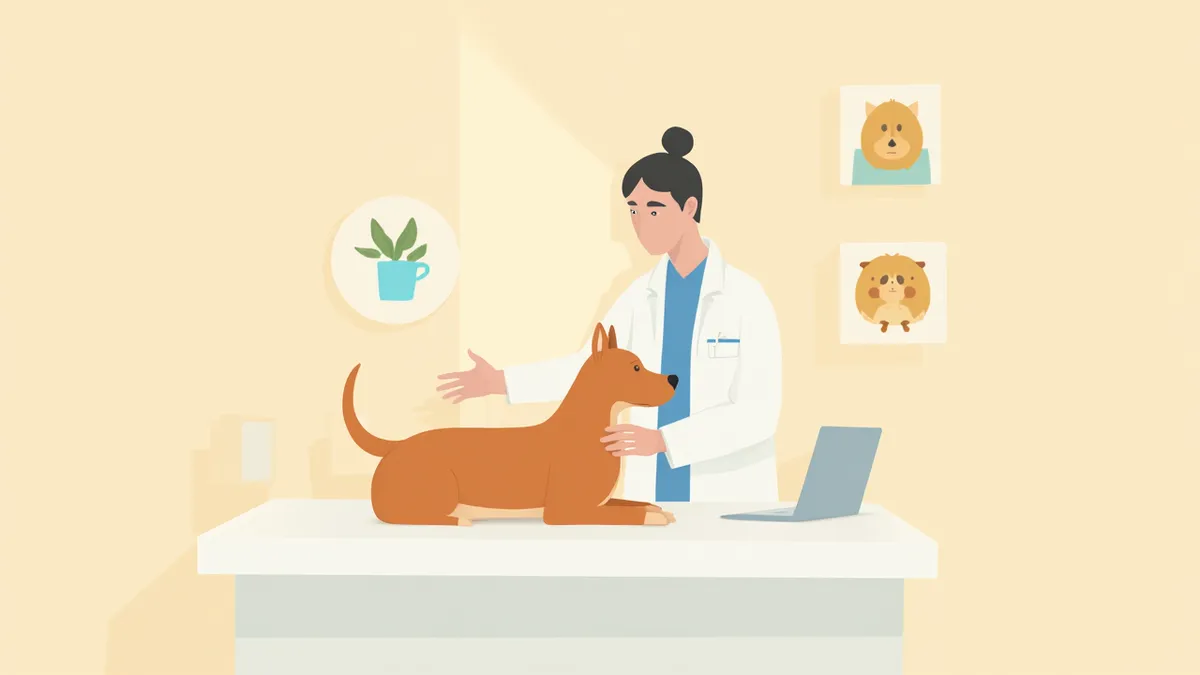
Go to the Emergency Room Immediately If You See These Symptoms
Criteria for Determining Emergency vs. Non-Emergency
| Category | Example Symptoms | Recommended Action |
|---|---|---|
| Immediate Emergency | Loss of consciousness, difficulty breathing, severe bleeding, seizures | Visit a 24-hour animal hospital immediately |
| Same-Day Visit | Repeated vomiting, bloody stool, severe loss of appetite | Visit a clinic the same day; if it’s nighttime, go to a 24-hour hospital |
| Next-Day Visit | Single episode of mild vomiting, slight coughing, minor limping | Visit a regular animal hospital the next day |
How to Quickly Find a 24-Hour Animal Hospital

Don’t Miss the Golden Time
In emergencies such as poisoning, massive hemorrhage, or difficulty breathing, just a few minutes can mean the difference between life and death. The instinct to "wait and see" often leads to missed treatment windows. When in doubt, call a 24-hour animal hospital, describe the symptoms, and ask whether your pet should come in for an evaluation.
What to Prepare Before Visiting the Emergency Room

Treatment Procedure After Arriving at the Emergency Room
How Much Does Emergency Treatment Cost?

Prepare Like This in Advance
Emergencies always strike without warning. Keep the contact information and locations of two to three 24-hour veterinary clinics near your home readily accessible, and consolidate your pet’s basic health details—such as weight, pre-existing conditions, and current medications—in one place. Having this information prepared in advance will enable you to respond much more quickly in an emergency.
Reviewed by a veterinarian

Dr. Tony — Punnawat Phongkittirak
VeterinarianA veterinarian who majored in veterinary medicine at Khon Kaen University, Thailand, and completed the IVSA program at North Carolina State University in the United States. Drawing on clinical experience at animal hospitals, he works in the pet healthcare field and is dedicated to building a digital care environment that connects pet parents with veterinarians.
Reviewed 2026-04-14
Frequently Asked Questions
What’s the difference between a 24-hour animal hospital and a regular one?
Can I get an immediate examination even if I come in the early hours of the morning?
Can cats receive treatment at a 24-hour animal hospital?
What should I do if the cost of emergency veterinary care at night is too high?
Does pet insurance cover emergency treatment costs?
Share
Related Guides

Primary vs. Secondary Veterinary Hospitals: A Comparison

5 Easy-to-Raise Cat Breeds for First-Time Owners — Grooming Difficulty Comparison

Top 7 Short-Legged Dog Breeds

Why Your Cat Stares at One Spot

Why Cats Suddenly Wake Up During Sleep
Why Your Dog Follows You Around Everywhere

Why Your Dog Points with Its Paw

Why Does Your Dog Bark or Ignore Its Reflection in a Mirror?

Why Your Dog Is Lifting One Leg — Pain Causes and When to See a Vet

Why Do Dogs Eat Grass? Should You Be Worried?
References
[1] Advanced Monitoring for Small Animal Emergency and Critical Care, 2nd Edition. Section One: Fundamental Elements of Emergency and Critical Care Practice — Triage. Wiley-Blackwell.
[2] Bracken, J.E. (1998). Triage. In: Sheehy's Emergency Nursing Principles and Practice (ed. L. Newberry), 105–111. St. Louis: Mosby.
[3] Chalifoux, C.V., Spielvogel, C.F., Stefanovski, D., and Silverstein, D.C. (2021). Standardized capillary refill time and relation to clinical parameters in hospitalized dogs. J. Vet. Emerg. Crit. Care 31: 585–594.
[4] Ateca, L.B., Reineke, E.L., and Drobatz, K.J. (2018). Evaluation of the relationship between peripheral pulse palpation and Doppler systolic blood pressure measurement in dogs presenting to an emergency service. J. Vet. Emerg. Crit. Care.