Like
Share
멍실장
강아지 간 낭종 관리 추천 BEST와 고르는 기준 총정리

Top 5 Recommended Tips for Managing Canine Liver Cysts from Veterinarians

Liver HealthTop PicksMeongsiljang Veterinary Advisory Board

Most liver cysts in dogs are benign, but they still require careful monitoring. With proper management and regular follow-up exams, you can help keep your dog healthy.

Canine Liver Cysts Are Usually Benign Cysts Within the Liver
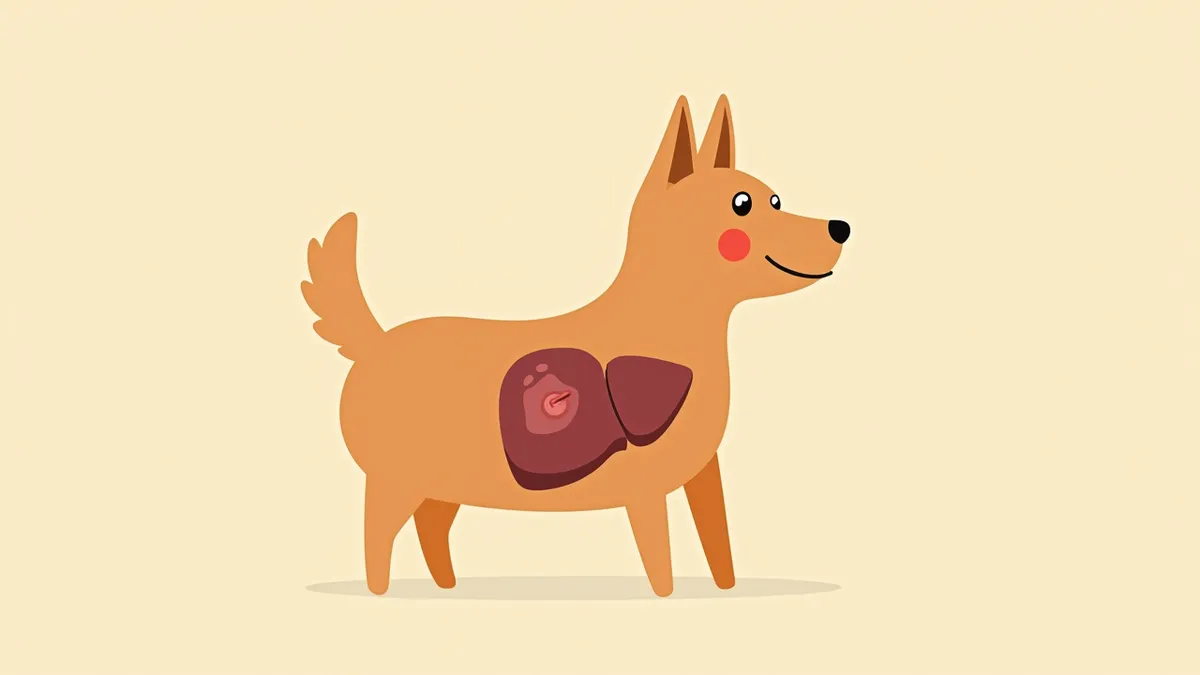
An anatomical illustration showing a cyst that has formed in a dog's liver.
Canine liver cysts are fluid-filled, sac-like lesions that form within the liver. Most are benign and asymptomatic, often discovered incidentally during routine check-ups. If the cyst is small and stable, regular monitoring is usually sufficient. However, if it grows, it may cause abdominal distension or jaundice, so it’s best to develop a management plan with your veterinarian. - Regular Ultrasound Exams: Monitor changes in the cyst’s size and shape via liver ultrasounds at intervals set by your vet. - Liver Function Support: There are no proven medications or supplements that shrink liver cysts, so discuss any supplement use with your vet first. - Dietary Management: A balanced, liver-friendly diet may help, but always consult your vet before making dietary changes. - Caution Against Self-Treatment: Don’t rely solely on “natural” claims for long-term use without veterinary approval—always verify safety with your vet. - Veterinary Consultation Is Essential: Contact your vet immediately if you notice symptoms like abdominal swelling, jaundice, or loss of appetite.

Good to Know: Managing Canine Liver Cysts

When considering supplements or management products for a dog with liver cysts, review the following criteria, but above all, prioritize regular follow-up examinations. Since there are no proven products that can reduce the cysts themselves, customized monitoring is the most important step.
Regular ultrasound monitoring: It is crucial to regularly check for any changes in the size of the cysts.
Presence of liver-supporting ingredients: Look for products containing ingredients known to help maintain liver function.
Safety verification: The label "natural origin" does not guarantee safety, so always review the ingredients and safety profile with your veterinarian.
Prioritize veterinary recommendations: Trust and follow the products and management methods recommended by your veterinarian first.
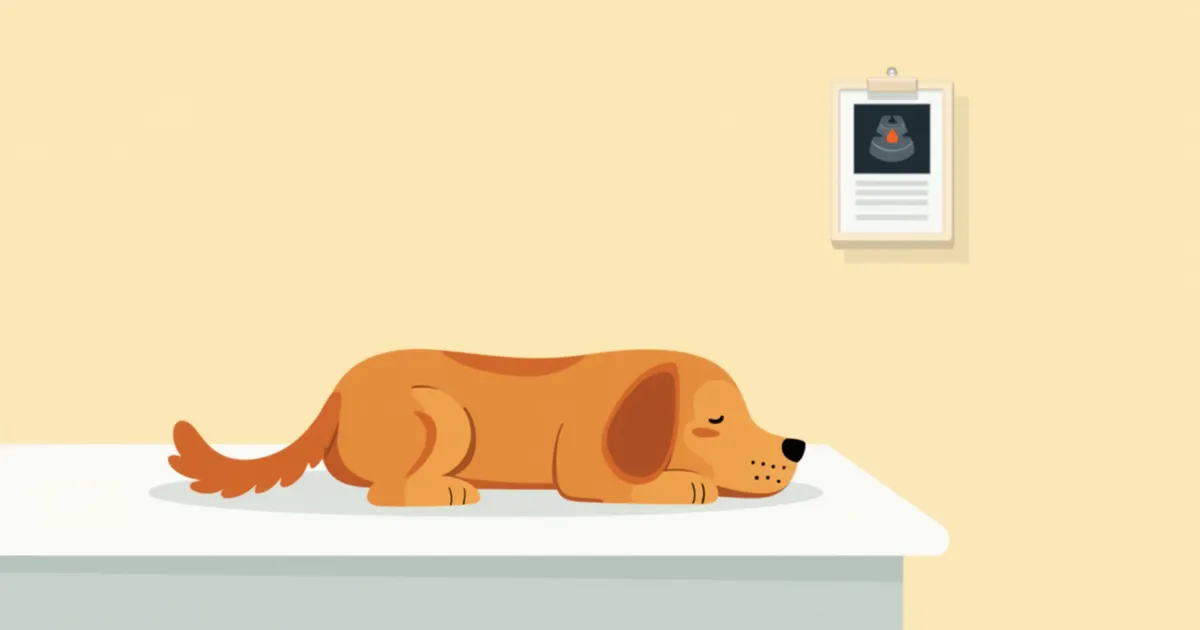
A veterinarian reviewing a follow-up ultrasound of a puppy’s liver cyst.

Good to Know 1: What Is a Liver Cyst?

A liver cyst is a fluid-filled sac that forms within the liver tissue. Simple cysts are often congenital or discovered incidentally as a pet ages. While small, solitary cysts are frequently asymptomatic, larger or more numerous cysts can cause symptoms such as abdominal distension, decreased appetite, lethargy, and vomiting. Cysts caused by parasites (Echinococcus) are infectious and carry a different level of risk. If you notice jaundice or rapid abdominal swelling, please visit your veterinarian promptly.
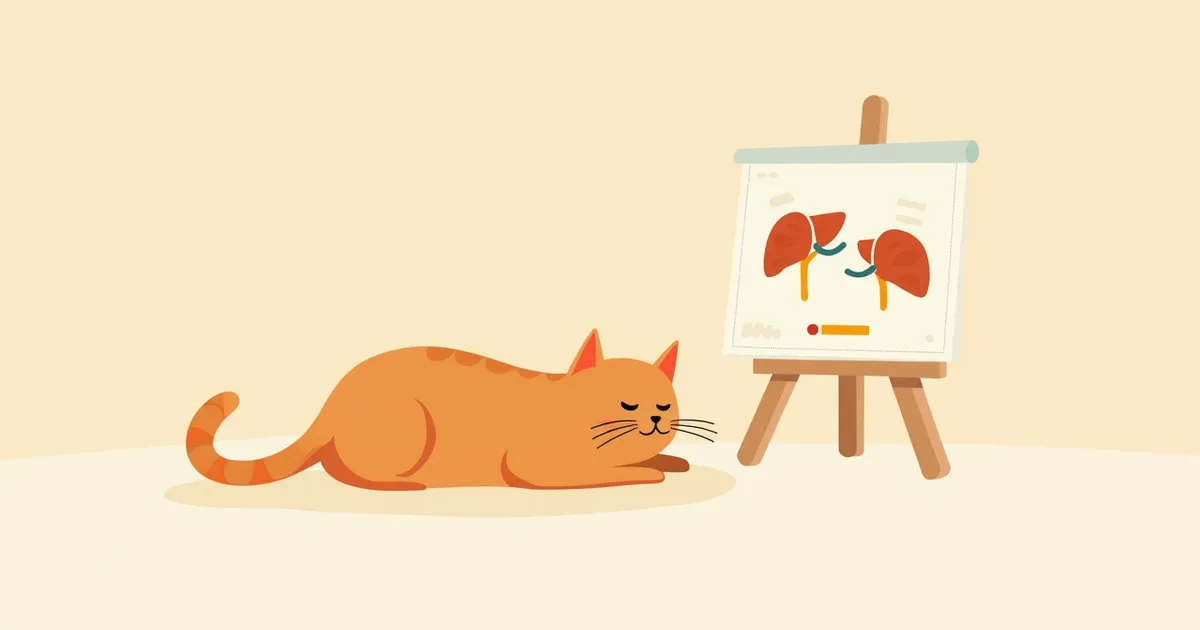
What is a liver cyst?

Good to Know 2: Diagnosis and Treatment Options

Liver cysts are primarily detected through abdominal ultrasound, which helps determine the cysts’ location, size, number, and internal characteristics. If needed, additional tests such as CT scans or fine-needle aspiration cytology may be performed. Treatment depends on whether symptoms are present and the size of the cysts. Small, asymptomatic cysts may simply require regular monitoring. For symptomatic or larger cysts, veterinarians may choose from options such as cyst aspiration, marsupialization, or surgical removal, depending on the individual case.
Guidance image on diagnosis and treatment options

Good to Know 3: The Importance of Management and Veterinary Diagnosis

For dogs diagnosed with liver cysts, it’s important to follow up with ultrasound exams at intervals set by your veterinarian to monitor any changes in size. Dietary adjustments and supplements should only be decided after consulting your vet, as there is no evidence that unverified supplements or home remedies can reduce cyst size. It’s best not to take commercial supplement claims at face value. If you notice any changes in your dog’s condition—such as decreased appetite, abdominal swelling, or jaundice—bring them in immediately, regardless of scheduled appointments. Treatment options and timing should always be determined by your veterinarian.
An informational image highlighting the importance of proper care and veterinary diagnosis

What Pet Owners Should Know About Canine Liver Cysts

ItemKey Points
ConditionFluid-filled sacs within the liver; various causes such as simple or parasitic
SymptomsSmall ones may be asymptomatic; large ones may cause abdominal distension, vomiting, and lethargy
DiagnosisAbdominal ultrasound as the basis; CT or fine-needle aspiration if needed
TreatmentThe veterinarian chooses among observation, aspiration, or surgical resection
CautionAvoid unverified supplements and visit the clinic immediately if symptoms change

This is not a table recommending specific products or hospitals, but a reference for when you consult your veterinarian. Treatment and testing decisions must always be made together with your veterinarian through an examination.

Caution: Visit a Veterinary Clinic Immediately If the Liver Cyst Is Larger Than 3cm

If a liver cyst grows rapidly or if your pet shows symptoms such as abdominal distension, abdominal pain, loss of appetite, vomiting, or jaundice, visit a veterinary clinic immediately. As the cyst enlarges, it can compress surrounding tissues or lead to ascites and jaundice. The exact size threshold and timing for treatment should be determined by a veterinarian through a thorough examination.

5 Tips for Managing Canine Liver Cysts

Here are some practical tips for managing liver cysts. Consistent monitoring and care are key to maintaining your pet’s health.
Regular Ultrasound Exams: Have your veterinarian check for changes in cyst size through liver ultrasounds at the intervals they recommend.
Dietary Adjustments: Switch to a balanced diet that’s easy on the liver, and always consult your vet before making any changes.
Reduce Stress: Avoid sudden environmental changes or excessive exercise, and help your pet maintain a stable routine.
Ensure Adequate Hydration: Keep fresh water available at all times to support overall well-being.
Consult Your Veterinarian: Contact your vet immediately if you notice symptoms like loss of appetite or abdominal swelling.
Visualizing Daily Tips for Managing Liver Cysts in Dogs

Reviewed by a veterinarian

Dr. Tony — Punnawat Phongkittirak

Dr. Tony — Punnawat Phongkittirak

Veterinarian

A veterinarian who majored in veterinary medicine at Khon Kaen University, Thailand, and completed the IVSA program at North Carolina State University in the United States. Drawing on clinical experience at animal hospitals, he works in the pet healthcare field and is dedicated to building a digital care environment that connects pet parents with veterinarians.

Frequently Asked Questions

Can a dog's liver cyst be malignant?
Most simple liver cysts are benign and do not invade surrounding tissues. However, not all liver masses seen on ultrasound are simple cysts, so if the size or shape changes, additional veterinary testing is needed to distinguish them from other lesions, such as tumors.
Can liver cysts disappear on their own?
Simple cysts tend to remain stable or grow slowly over time. Rather than expecting them to disappear on their own, regular ultrasound monitoring is essential.
When should I start giving my pet a product for managing liver cysts?
There are no proven supplements that can shrink liver cysts themselves. Whether and when to use supplements should be determined by your veterinarian based on follow-up test results and the overall condition of the liver, so it's best not to start them on your own.
Can liver cyst management products be taken with other medications?
Supplements can interact with other medications, so it’s always safest to consult your veterinarian before giving them together.
Can a dog with liver cysts receive vaccinations?
If liver function is normal, vaccination is possible. However, if liver function is impaired, the veterinarian will determine whether vaccination is appropriate.

Share

Related Guides

References

[1] Heaton, C.M. et al. (2020). Evaluation of toceranib for treatment of apocrine gland anal sac adenocarcinoma in dogs. J Vet Intern Med, 34(2):873–881.

[2] BSAVA Manual of Canine and Feline Dermatology, 4th Ed. (2021). Chapter on Anal Sac Neoplasia.

[3] Mellanby, R.J. et al. (2002). Anal sac adenocarcinoma in a Siamese cat. J Feline Med Surg, 4(4):205–207.

This information is based on veterinary literature and does not replace diagnosis or treatment. Please consult a veterinarian for specific health concerns.

Metapet Co., Ltd. | CEO: Park Sung-yong | Business Reg. No. 417-88-02562 | Seoul, South Korea | Customer Center

Managing Canine Liver Cysts: Vet-Recommended Top 5 Tips | Meongsiljang