Like
Share
멍실장
강아지 눈 이물 응급처치 자주 묻는 질문 Q&A — 보호자가 꼭 알아야 할 핵심

Something in your dog’s eye — how far can you go with first aid at home?

Eye HealthQ&AMeongsiljang Veterinary Advisory Board

Here’s a guide to the first aid steps and precautions pet owners should take immediately when a foreign object gets into their dog’s eye. Quick action is key to preventing eye damage.

A foreign object in a dog’s eye is an emergency requiring immediate response

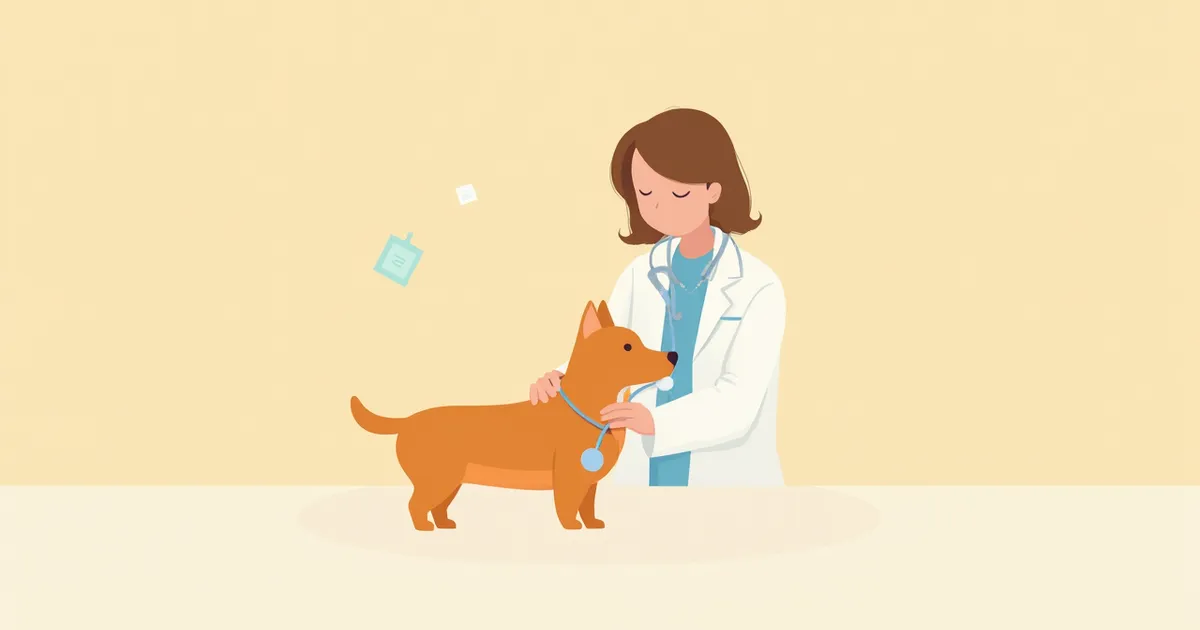
The uncomfortable expression of a dog with a foreign object in its eye
When a foreign object gets into a dog’s eye, it’s an emergency that requires immediate attention. If the object touches the cornea, it can lead to inflammation such as ulcerative keratitis or anterior uveitis, so prompt evaluation is crucial. Never try to remove the object yourself by touching the eye with your fingers or a cloth, as this can push the object deeper or scratch the cornea. Instead, keep your dog calm in a quiet space to prevent them from rubbing their eye with their paws or on the floor, and observe the object’s location from a distance without making contact. While sterile saline solution is gentler and safer than plain water for flushing the eye, the procedure itself can be quite painful, often requiring sedation. Attempting this without veterinary guidance can be dangerous. Therefore, the safest course of action is to visit a veterinary clinic immediately for professional care.

Key principles pet owners should know when a foreign object enters the eye

- Eye Sensitivity: A dog’s eyes are extremely delicate; touching them with fingers or cloth can scratch the cornea or push foreign objects deeper into the eye. - Keep Calm and Still: If you suspect a foreign object, place your dog in a quiet area and keep them calm to prevent them from rubbing their eyes with their paws or against the floor. - Do Not Attempt Removal: Never try to scratch out or wipe away the object with your fingers or a cloth, as this can cause corneal damage or drive the object deeper into the eye. - Caution with Flushing: While gently rinsing with sterile saline is an option, it should only be done under veterinary guidance, as improper technique can push the foreign body further in. - Professional Intervention: If the object is embedded in the cornea or the conjunctiva behind the eyelids or third eyelid, a veterinarian must safely remove it using specialized tools like forceps, typically after administering local anesthesia or sedation. - Seek Immediate Veterinary Care: Prompt diagnosis and treatment are essential to prevent serious eye injuries, such as corneal ulcers or infections.
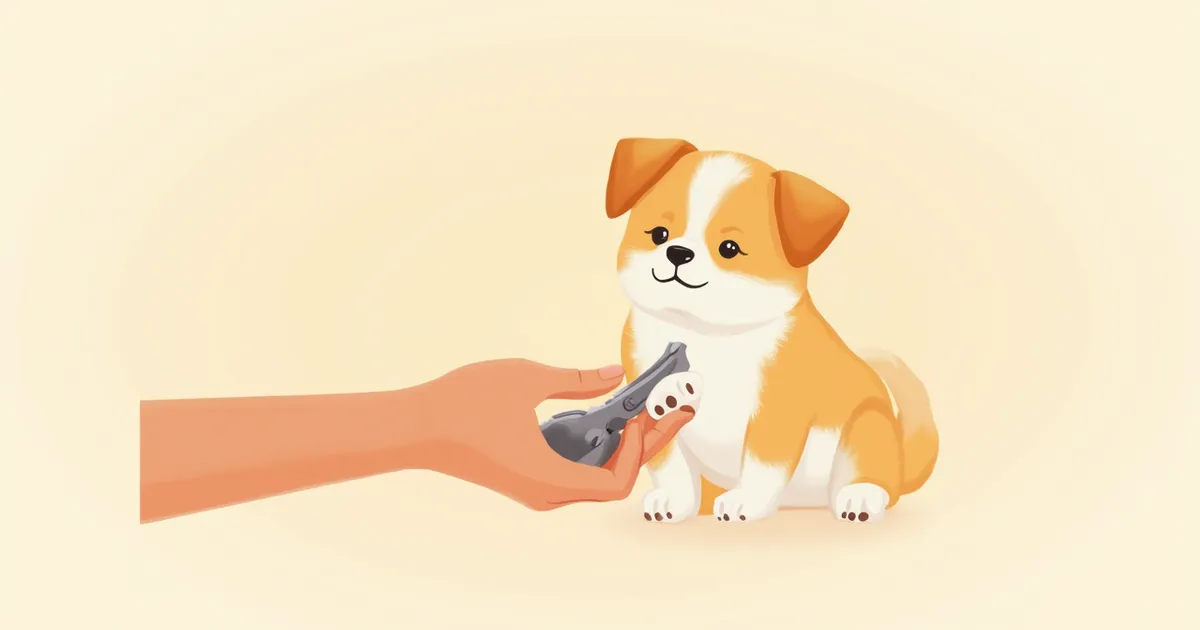
A pet owner holding their dog's head steady and securely

Step-by-step guide to first aid for foreign objects in a dog’s eye

- Maintain calm: If you suspect a foreign object in your dog’s eye, first move them to a quiet space and keep them calm to prevent rubbing. - Visual inspection: Observe the eye closely without using fingers or cloth, ensuring nothing touches the eye directly. - Locate the foreign object: Check whether it is embedded in the cornea, hidden under the eyelid or third eyelid in the conjunctival sac, or accompanied by excessive tearing or discharge. - Attempt flushing: If the object is superficial and you have veterinary guidance, gently flush it out with sterile saline, which is less irritating than plain water. - Decide on veterinary visit: Seek immediate veterinary care if the object cannot be removed, or if the eye becomes red, your dog continues scratching, or struggles to open the eye. - Professional care is essential: Examination and removal may require local anesthesia or sedation due to pain. The veterinarian will ensure complete removal and check for corneal ulcers or infections.
A puppy with teary eyes

Emergency signs requiring immediate veterinary visit

If your dog keeps its eyes tightly shut, sheds tears, scratches them persistently, or shows redness and swelling, seek veterinary care immediately. These symptoms may indicate corneal damage or infection, so prompt professional evaluation is essential. If a foreign object is lodged in the eye, do not attempt to remove it yourself; instead, have a veterinarian provide specialized treatment.

Absolutely prohibited methods when removing foreign objects

- Do not scratch the eyes: Scratching can scratch the cornea and cause serious damage. - Do not wipe with cloth: Wiping with cloth can push foreign objects deeper into the eye. - Be cautious when spraying water: Sudden water spraying can irritate the eyes. - Do not apply medication indiscriminately: Applying eye drops or medication without proper diagnosis can worsen inflammation. - Do not attempt to remove foreign objects yourself: If a foreign object is stuck in the eye, it should be removed by a veterinarian using specialized tools. - Keeping the dog calm is the best approach: The most important response for the owner is to keep the dog calm.
A warning image advising against touching a dog's eyes with your hands.

Comparison of response methods by foreign object type

Item이물질 유형안전한 제거 가능성병원 방문 필요성주의사항
먼지/모래 등 표면 이물비교적 높음(눈물로 배출되기도)권장비비지 않게 하고 멸균 생리식염수로만 세척
풀씨/풀가루(식물성)매우 낮음(효소작용으로 깊이 박힘)반드시 필요직접 만지지 말 것, 영상검사가 필요할 수 있음
나뭇가지/가시 등 찔림매우 낮음응급절대 빼지 말고 그대로 병원으로 이송
금속 조각(공기총탄 등)낮음응급방사선 검사로 위치 확인, 직접 제거 금지
속눈썹/주변 털 자극수의사 시술 필요필요지속 자극 시 냉동제모 등 시술을 고려

이물질의 종류에 따라 위험도와 대처가 크게 다르며, 어떤 경우든 정확한 진단과 안전한 제거는 수의사의 몫이에요. 특히 식물성·찔림·금속 이물은 직접 제거하지 말고 즉시 병원을 찾아야 해요.

What to prepare for a veterinary visit

- Take photos: To quickly convey the condition of the eyes, take a photo at the moment you suspect a foreign object is present. - Note the location of the foreign object: Briefly jotting down where in the eye the object is located, whether there is excessive tearing, and other details will help during the veterinary visit. - Information on recently administered medications: Prepare information on any medications or supplements your dog has recently taken to share with the veterinarian. - Record recent outings: Let the vet know if your dog has been in environments where foreign objects might enter the eye, such as grassy or sandy areas. - Record your dog's reactions: Documenting details like how often your dog scratches its eyes, the amount of tearing, and the degree of redness will be useful for diagnosis. - Transport in a calm state: Before heading to the clinic, ensure your dog is quiet and settled.
A pet owner taking a photo of their dog’s eye with a foreign object in it

Daily care tips for prevention

- Post-outing checks: If your pet has been playing in grassy or sandy areas, carefully inspect the area around their eyes after returning home to ensure no foreign particles like grass seeds or dust are present. - Grooming around the eyes: Long hair around the eyes can poke or irritate the cornea, leading to inflammation. Please trim or style the hair carefully during grooming to avoid irritating the eyes. - Gentle cleaning: Gently wipe away eye discharge or crusts using clean gauze and sterile saline solution. Avoid rubbing forcefully or using tools that may cause irritation. - Preventing foreign object entry: For long-haired dogs, tie up or trim the hair around the eyes to prevent it from poking the eyes and reduce the risk of irritation or foreign object entry. - Regular check-ups: Consult with your veterinarian regularly and have your pet’s eyes checked before any issues arise. - Environmental management: Keep your home and play areas clean to prevent the accumulation of dirt, dust, grass, and other foreign materials.
Grooming the fur around a puppy's eyes

Reviewed by a veterinarian

Dr. Tony — Punnawat Phongkittirak

Dr. Tony — Punnawat Phongkittirak

Veterinarian

A veterinarian who majored in veterinary medicine at Khon Kaen University, Thailand, and completed the IVSA program at North Carolina State University in the United States. Drawing on clinical experience at animal hospitals, he works in the pet healthcare field and is dedicated to building a digital care environment that connects pet parents with veterinarians.

Frequently Asked Questions

Can I rinse my dog’s eyes with water if a foreign object gets in them?
While flushing the eye gently with sterile saline can help remove foreign particles resting on the surface, even clean water can inadvertently push the object deeper if used improperly. Since the examination itself can be quite painful and often requires sedation, visiting a veterinary clinic is the safest approach rather than attempting to rinse the eye at home without professional guidance.
What is the best course of action for a pet owner when a foreign object gets into their pet's eye?
The most important thing is to keep your pet calm and prevent them from rubbing their eyes. Avoid touching the area with your fingers or cloth, and the best course of action is to take them to the vet immediately.
Is it normal for my pet to tear up when a foreign object gets in their eye?
Tearing is a sign that the eyes have been irritated. While this is a natural response, if it persists or the eyes become red, a visit to the vet is necessary.
Can I use eye drops if something gets in my dog's eye?
Never apply eye drops or other medications without veterinary guidance. Some medications can worsen corneal ulcers, and using them without a veterinarian’s prescription can be dangerous.
Is it okay to wait about an hour if a foreign object gets into my pet’s eye?
You should go to the vet immediately without delay. The longer you wait, the more damage can occur to the eye, so a quick response is crucial.

Share

Related Guides

References

[1] The Dog Care Handbook, Things I Wish My Vet Had Told Me, 2024

[2] Small Animal Critical Care Medicine, 3rd Ed, 2023

[3] Feline Emergency and Critical Care Medicine, 2nd Ed, 2022

This information is based on veterinary literature and does not replace diagnosis or treatment. Please consult a veterinarian for specific health concerns.

Metapet Co., Ltd. | CEO: Park Sung-yong | Business Reg. No. 417-88-02562 | Seoul, South Korea | Customer Center

Something in Your Dog’s Eye: How Far Can You Go with Home First Aid? | Meongsiljang