
Causes and Correction of Coprophagia (Feces-Eating Behavior) in Dogs
Coprophagia in dogs is the behavior of eating feces, whether their own or that of other animals. We’ve outlined correction methods based on the underlying causes and guidelines for when to visit a veterinary clinic.
What Is Coprophagia in Dogs?
Why Do Dogs Eat Feces? 5 Main Causes
Comparison of Coprophagia Characteristics by Cause
| Item | Nutritional | Behavioral | Disease-related |
|---|---|---|---|
| Main causes | Digestion/absorption problems, insufficient food | Stress, boredom, learned behavior | Parasites, exocrine pancreatic insufficiency |
| Prefers own feces | True | False | True |
| Accompanied by other symptoms | False | False | True |
| Appetite change | Increased | Normal | Abnormal appetite |
| Need for a vet visit | Medium | Low | Immediate |
It is rare for there to be only one cause; often multiple causes are involved
When Nutritional or Digestive Issues Are the Cause
When to Definitely Visit the Vet
If coprophagia is accompanied by other abnormal symptoms, it may not be a simple behavioral issue. Signs such as diarrhea, vomiting, weight loss, failure to gain weight despite adequate food intake, dull and coarse fur, or the presence of undigested material in the stool may indicate malabsorption disorders such as exocrine pancreatic insufficiency (EPI), small intestinal bacterial overgrowth, or parasitic infection. If these symptoms persist for several days or if coprophagia appears suddenly for the first time, it is better to seek veterinary care rather than simply observing. In such cases, textbooks recommend starting with a fecal parasite test and then performing blood tests to assess pancreatic function (TLI) to rule out EPI.
Correcting Coprophagia Caused by Behavioral Issues
Correction Steps You Can Do at Home
Mistakes to Avoid When Correcting Coprophagia
Punishment and yelling only make the situation worse. Instead of learning that they’re being scolded for eating feces, dogs associate their owner’s presence with fear, which can lead them to eat it more quickly or hide while doing so. Commercial products marketed to prevent coprophagia work by altering the taste of feces through specific ingredients, but their effectiveness is limited and they don’t address the underlying cause. If your dog is eating other dogs’ feces, these supplements alone won’t be enough—proper management during walks is essential.
Reviewed by a veterinarian

Dr. Tony — Punnawat Phongkittirak
VeterinarianA veterinarian who majored in veterinary medicine at Khon Kaen University, Thailand, and completed the IVSA program at North Carolina State University in the United States. Drawing on clinical experience at animal hospitals, he works in the pet healthcare field and is dedicated to building a digital care environment that connects pet parents with veterinarians.
Reviewed 2026-04-19
Frequently Asked Questions
Is it harmful to a dog’s health if they eat feces?
Will it improve as they grow older, or does it only happen when they’re young?
Is pineapple really effective?
They say coprophagia can be caused by stress, but how can I tell if that’s the case?
What tests are performed at the clinic?
Share
Related Guides
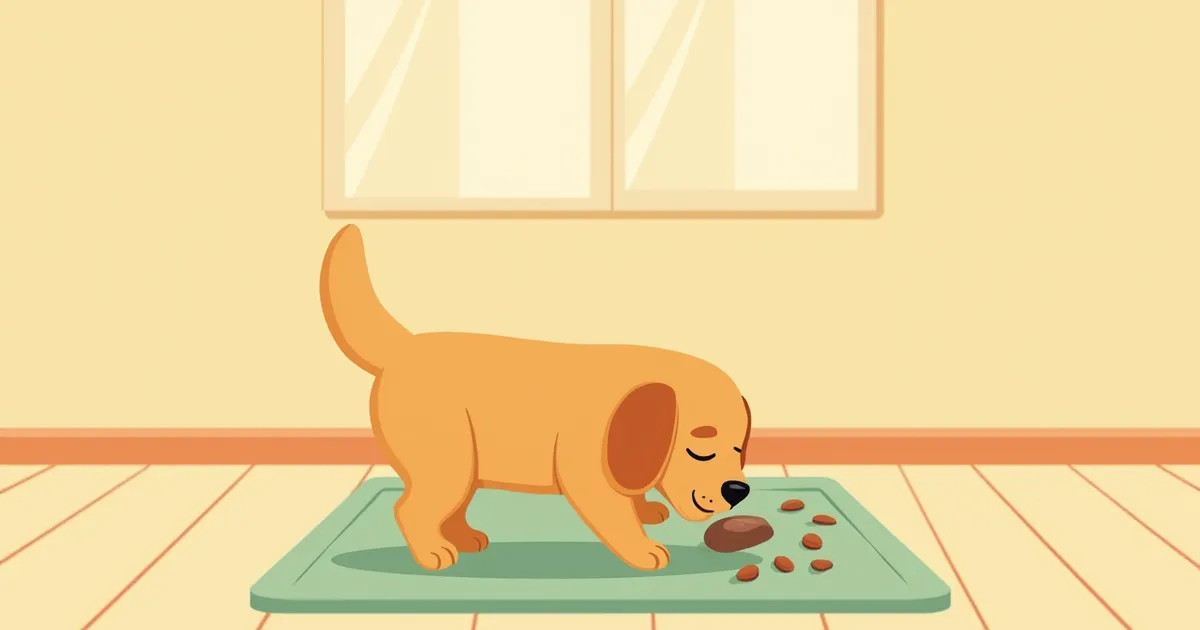
7 Behavioral Enrichment Strategies for Mental Stimulation Recommended by Veterinarians
Top 5 Calming Supplements for Dogs and Cats in 2026

L-Theanine Effects and Calming Support
My Cat Keeps Licking — Is This Normal? Causes and Solutions for Excessive Grooming

Causes of Nighttime Vocalization in Cats and How to Address Them
Dog Resource Guarding: Causes and Correction Methods
How to Manage Thunderstorm Phobia in Dogs?
How to Teach Your Puppy Sit, Stay, and Down — When Is the Best Time for Rewards?
What is Clicker Training for Dogs? — How to Start Properly from Timing to Rewards
Guide to Choosing Pet Toothpaste
References
[1] Hart BL, Hart LA, Thigpen AP, et al., The paradox of canine conspecific coprophagy, Veterinary Medicine and Science, 2018
[2] Beaver BV, Canine Behavior: Insights and Answers, 2nd ed., Saunders/Elsevier, 2009
[3] Horwitz DF, Mills DS, BSAVA Manual of Canine and Feline Behavioural Medicine, 2nd ed., BSAVA, 2009