Like
Share
멍실장
고양이 심장 수술(판막 성형·PDA 결찰) 자주 묻는 질문 Q&A — 보호자가 꼭 알아야 할 핵심

Is Feline Heart Surgery Necessary? — Costs and Recovery for Valve Repair and PDA Ligation

HeartQ&AMeongsiljang Veterinary Advisory Board

Feline cardiac surgery is a vital treatment for correcting valve abnormalities and patent ductus arteriosus (PDA). We’ve compiled the key questions and answers every pet owner should know.

What Is Feline Heart Surgery (Valve Repair and PDA Ligation)?
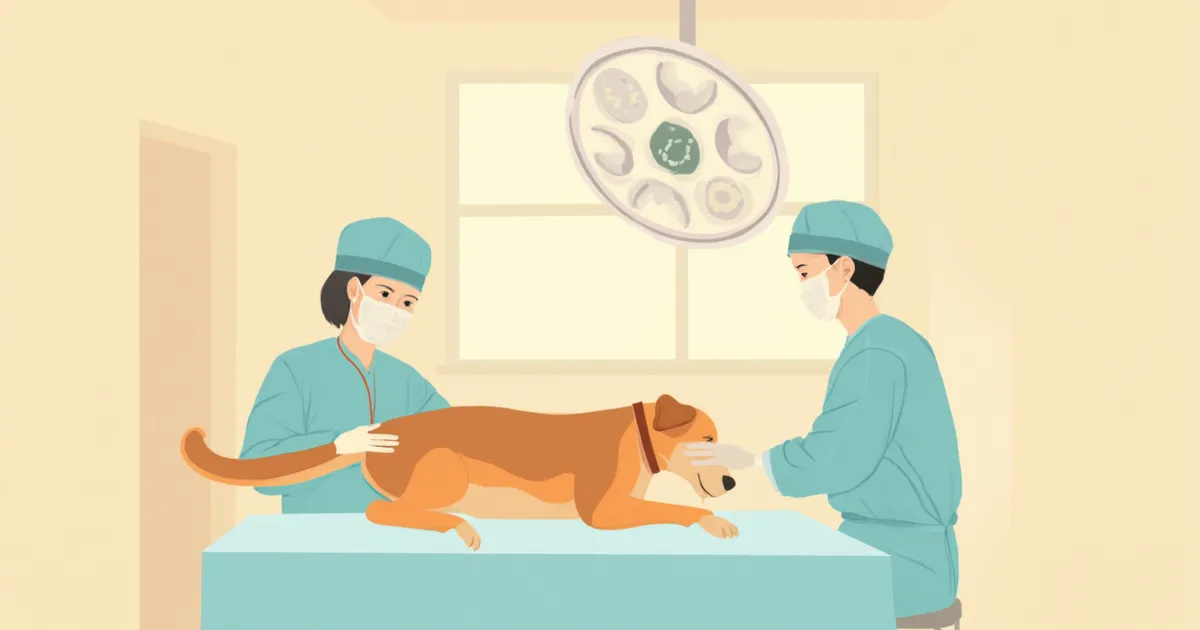
A cat undergoing heart surgery, the operating room scene
Feline heart surgery is a treatment that corrects heart valve abnormalities or a patent ductus arteriosus (PDA) through surgical intervention. - Valve repair surgery: Damaged portions of the heart valve are repaired or reinforced to restore its function. - PDA ligation surgery: This procedure closes the congenitally open ductus arteriosus to reduce the burden on the heart. This surgery is essential for stabilizing heart function and extending life. Prior to surgery, risks are assessed through detailed examinations such as echocardiography and chest X-rays. After surgery, consistent medication and regular check-ups are necessary. The overall recovery period typically takes about 2 to 4 weeks.

How Do We Prepare for Surgery?

Before surgery, we assess your cat’s overall health through comprehensive tests such as an echocardiogram, blood work, and chest X-rays. - Echocardiogram: This provides a detailed evaluation of heart structure and function, which is essential for developing a safe surgical plan. - Blood work: We check liver and kidney function, as well as blood clotting status, to minimize surgical risks. - Fasting preparation: Withhold food and water for 12 hours prior to surgery to prevent stomach contents from entering the airway during anesthesia. Please confirm with your veterinarian whether any medications should be continued, and strictly follow all instructions leading up to the procedure. On the day before surgery, keep your cat in a quiet, calm environment to help them relax.
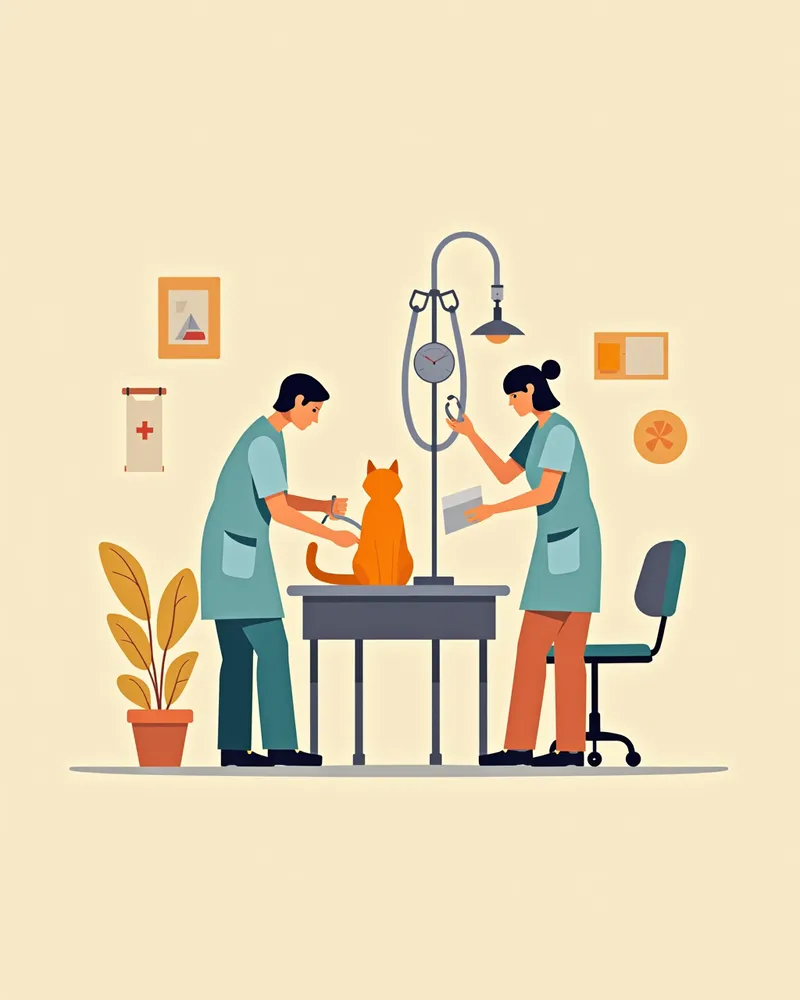
A veterinarian preparing a cat for surgery.

What Happens During the Surgery?

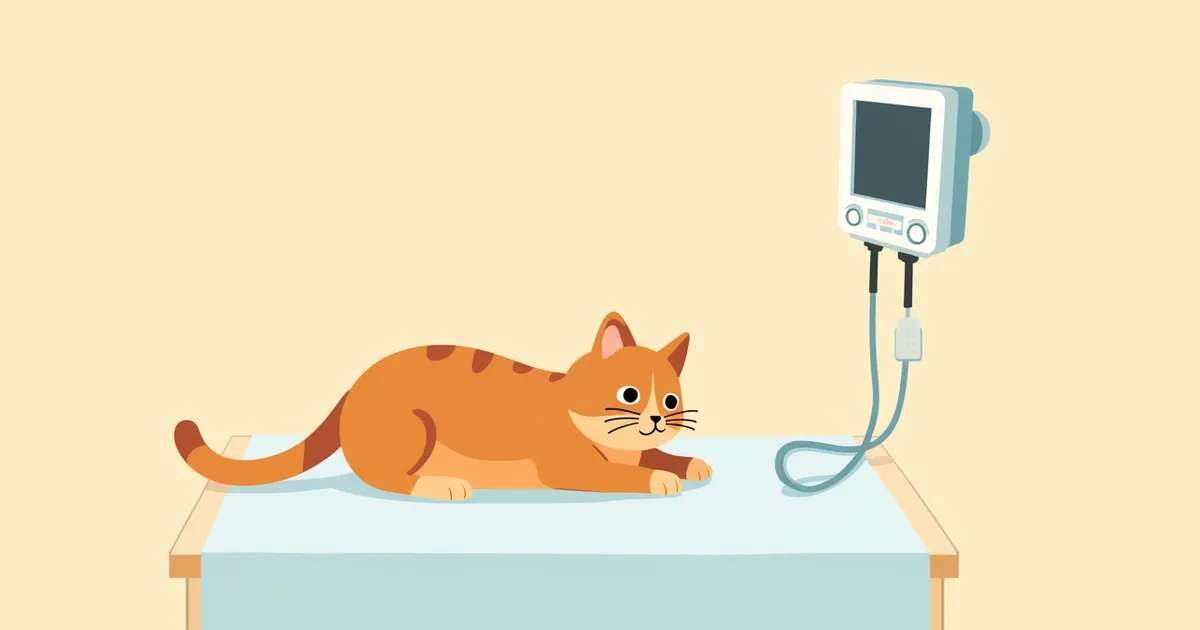
The surgery is performed under general anesthesia, allowing direct access to the heart to repair the valve or ligate the patent ductus arteriosus (PDA). - Anesthesia management: Heart rate, blood pressure, and oxygen saturation are monitored in real time throughout the procedure. - Surgical approach: The chest is opened to gain direct access to the heart, enabling precise repair of the affected area. - Surgical duration: The procedure typically takes 1 to 3 hours, depending on the complexity of the case. - Transfer to recovery: Immediately after surgery, the patient is moved to the recovery room for continuous monitoring of respiratory and cardiac function. - Postoperative observation: A dedicated nurse remains with the patient until the anesthesia wears off, ensuring early detection of any abnormal signs.
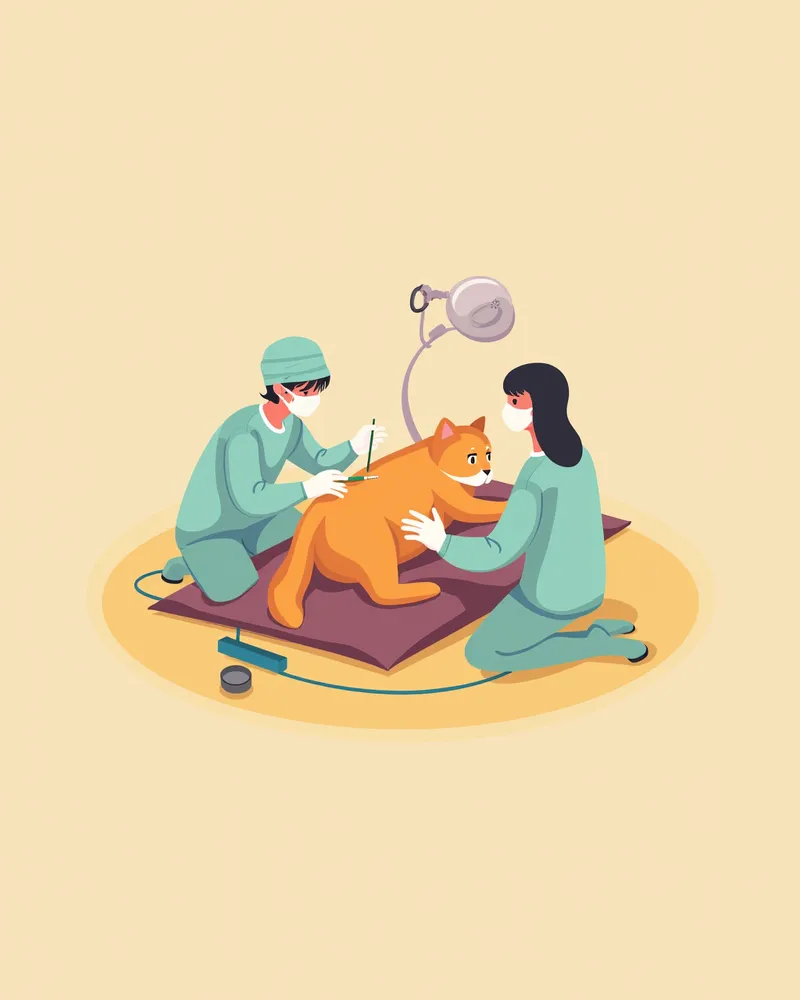
A veterinarian performing heart surgery on a cat

What Is the Post-Surgical Recovery Process Like?
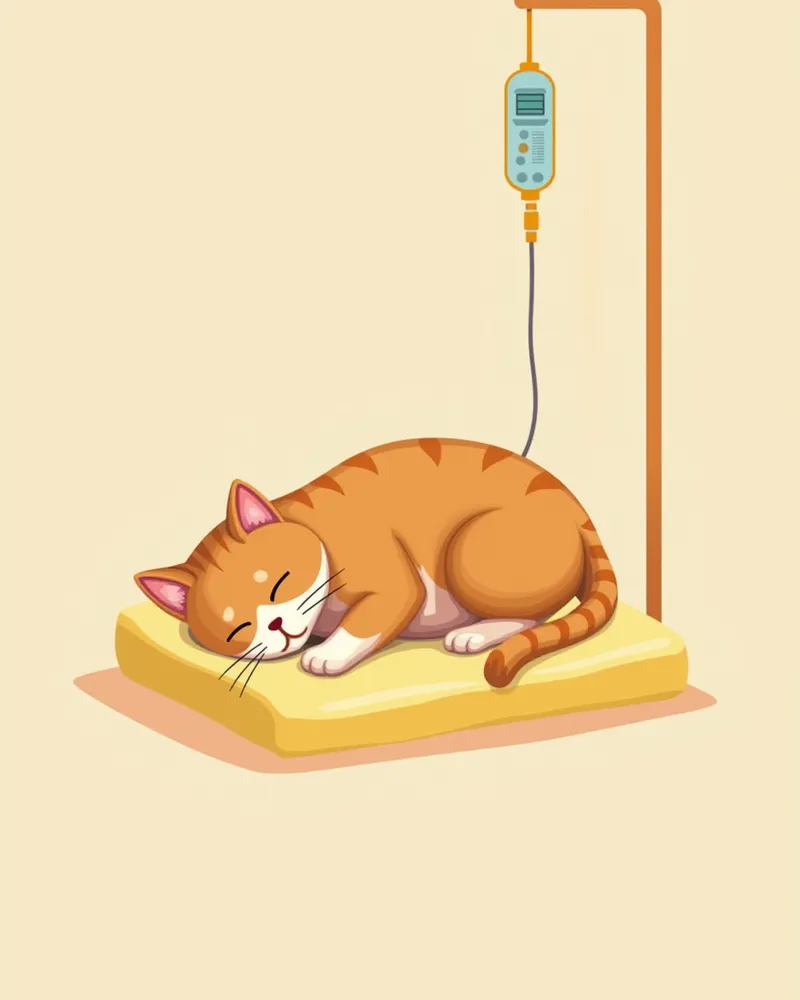
In the 24 hours following surgery, your cat will be closely monitored in the recovery room, with continuous checks on pain levels and breathing. - Pain Management: Prescribed medications will be administered regularly to keep your cat comfortable. - Activity Restriction: Physical activity should be limited for a set period, then gradually increased as your cat’s recovery progresses. - Dietary Adjustments: Only water should be offered within the first 24 hours after surgery, with a gradual transition back to regular meals. - Monitoring: Contact your veterinarian immediately if you notice bluish discoloration of the lips or mouth, or if your cat is breathing rapidly. - Recovery Period: Recovery times vary significantly among cats. Rather than assuming a fixed timeline, rely on regular check-ups to monitor progress and follow your veterinarian’s guidance.
A cat recovering after surgery

Signs Requiring Immediate Veterinary Attention After Surgery

If you notice difficulty breathing, bluish discoloration of the lips or inside the mouth, severe shock symptoms, loss of consciousness, or irregular heartbeats, contact your veterinarian immediately. These could be signs of post-surgical complications.

Post-Surgical Care Points

Post-surgical daily care is crucial for your cat’s recovery. - Medication Administration: Ensure your cat receives medication at the exact prescribed times and dosages. Missing doses or stopping treatment prematurely can significantly increase the risk of complications. - Activity Restriction: Initially, limit movement to short periods in a quiet indoor space, gradually increasing activity as recovery progresses. Since cats are not suited for walking, avoid forcing them outdoors. - Environmental Management: Maintain a calm environment to minimize stress and reduce external stimuli for your cat. - Regular Check-ups: After surgery, regularly monitor heart function through echocardiograms. The frequency of these check-ups should be determined by your veterinarian based on the severity of the condition. - Warning Signs: Contact your vet immediately if you notice difficulty breathing, signs of shock, or decreased consciousness. Consistent care supports long-term recovery and improves your cat’s quality of life.
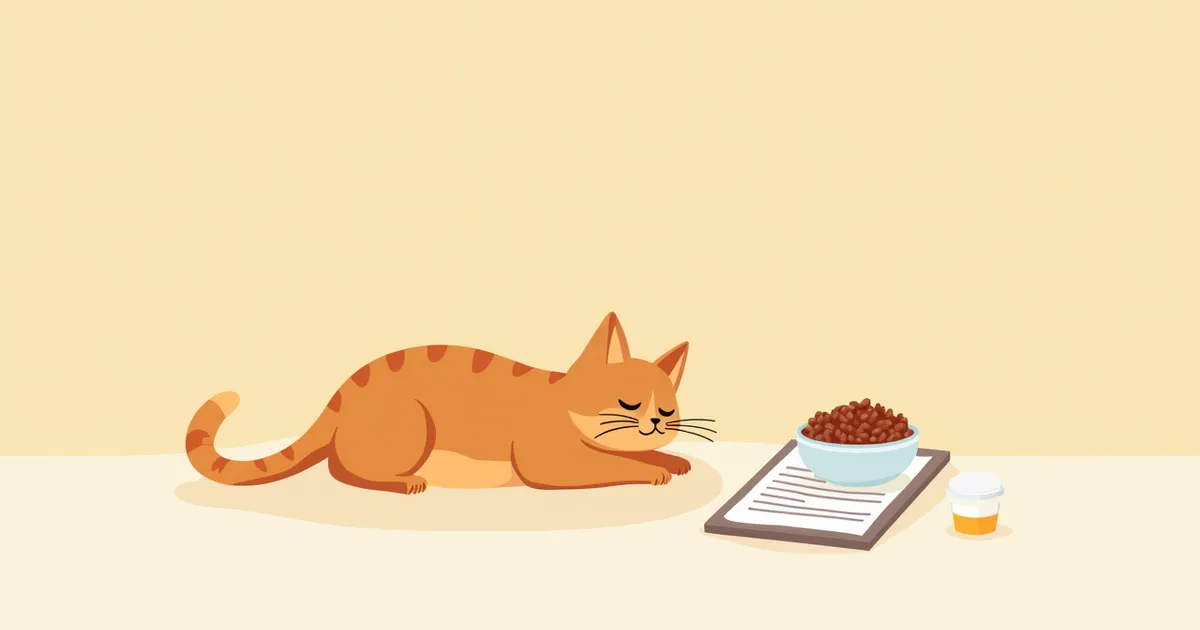
The cat resting quietly after surgery

Comparison of Key Care Items Before and After Surgery

ItemBefore Surgery1–2 Weeks After Surgery3+ Weeks After Surgery
Activity RestrictionCompletely prohibitedQuiet indoor rest with minimal activityGradual increase
MedicationAs directed by the veterinarianAccurate administrationMaintain regular medication
Feeding ManagementFastingSmall amounts frequentlyReturn to normal feeding
Checkup FrequencyDetailed examinationWeek 1 medication checkRegular checkups as directed by the veterinarian

Post-surgical care is adjusted according to the cat's recovery pace, and consultation with the veterinarian is essential.

Caution: Excessive Activity Is Prohibited After Surgery

For two to three weeks after surgery, it’s important to minimize your cat’s activity. Sudden running, jumping, or playing can strain the heart and hinder recovery. Keep your cat in a quiet environment where they can rest comfortably.

Reviewed by a veterinarian

Dr. Tony — Punnawat Phongkittirak

Dr. Tony — Punnawat Phongkittirak

Veterinarian

A veterinarian who majored in veterinary medicine at Khon Kaen University, Thailand, and completed the IVSA program at North Carolina State University in the United States. Drawing on clinical experience at animal hospitals, he works in the pet healthcare field and is dedicated to building a digital care environment that connects pet parents with veterinarians.

Frequently Asked Questions

How risky is heart surgery for cats?
Most feline heart surgeries are highly complex procedures requiring cardiopulmonary bypass, and reported cases remain relatively rare. The level of risk depends on the cat’s overall health status and preoperative assessment, making meticulous preparation and management by an experienced veterinarian essential.
What is the prognosis after surgery?
Cardiac surgery in cats remains relatively uncommon, with reported survival rates beyond 30 days at approximately 67% based on a limited number of cases. Since prognosis varies significantly from cat to cat, regular check-ups and ongoing care are essential.
How much will the surgery cost?
Surgical costs vary depending on the clinic and the type of procedure. Typically, you can expect to pay between 1 million and $2,000, so be sure to check whether your pet insurance covers the surgery.
Can the disease come back after surgery?
Even after surgery, there is a possibility that the heart disease may progress or recur. Regular check-ups and maintaining a healthy lifestyle are essential.
What care can I provide at home after surgery?
It’s important to ensure proper medication administration, maintain a quiet environment, reduce stress, and avoid overexertion. Since cats are not meant for walking, prioritize keeping them calm indoors and always follow your veterinarian’s instructions.

Share

Related Guides

References

[1] Fossum TW. Preoperative and intraoperative care of the surgical patient. In: Fossum TW, Duprey LP, O’Connor D, editors. Small animal surgery. 3rd ed. Boston, MA: Elsevier; 2007.

[2] Hosgood G, Scholl DT. Evaluation of age as a risk factor for perianesthetic morbidity and mortality in the dog. J Vet Emerg Crit Care. 1998;8(3):222-36.

[3] Reader RC, McCarthy RJ, Schultz KL, et al (2020) Comparison of liposomal bupivacaine and 0.5% bupivacaine hydrochloride for control of postoperative pain in dogs undergoing tibial plateau leveling osteotomy. J Am Vet Med Assoc 256:1011–19.

This information is based on veterinary literature and does not replace diagnosis or treatment. Please consult a veterinarian for specific health concerns.

Metapet Co., Ltd. | CEO: Park Sung-yong | Business Reg. No. 417-88-02562 | Seoul, South Korea | Customer Center

Feline Heart Surgery: Valve Repair & PDA Costs and Recovery | Meongsiljang