
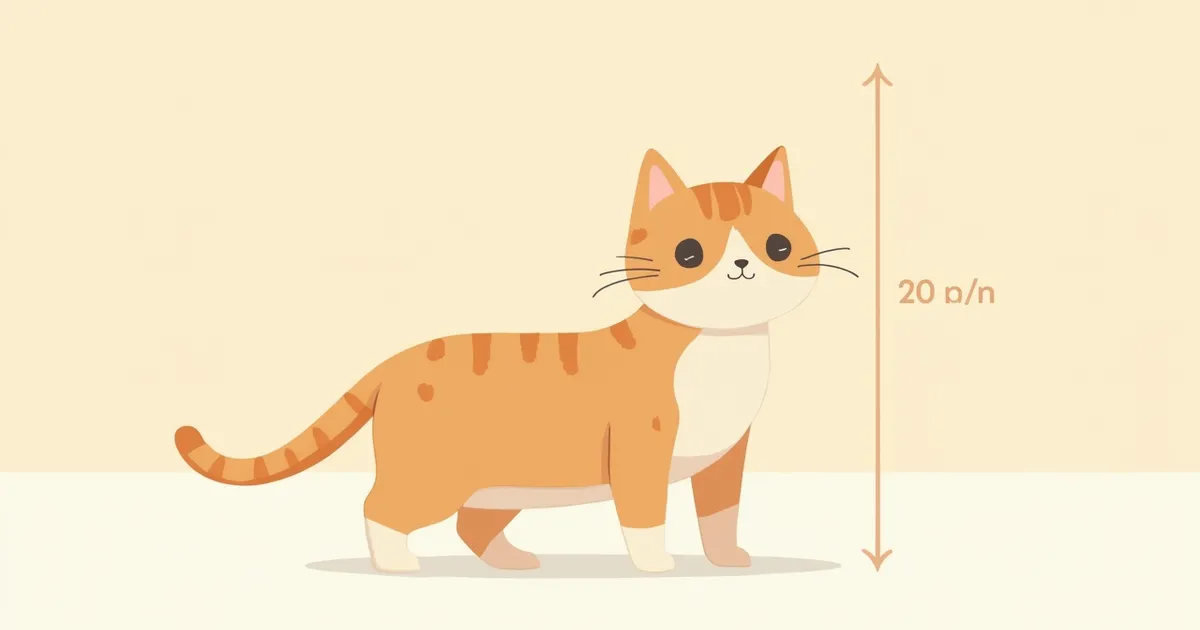
Cat Body Proportions and Standards: Is Your Cat Normal?
We’ve compiled the standard body proportions for cats and a guide to assessing Body Condition Score (BCS). You can easily check at home whether your cat has a healthy body shape.
What Are Cat Body Proportions? The First Indicator of Health
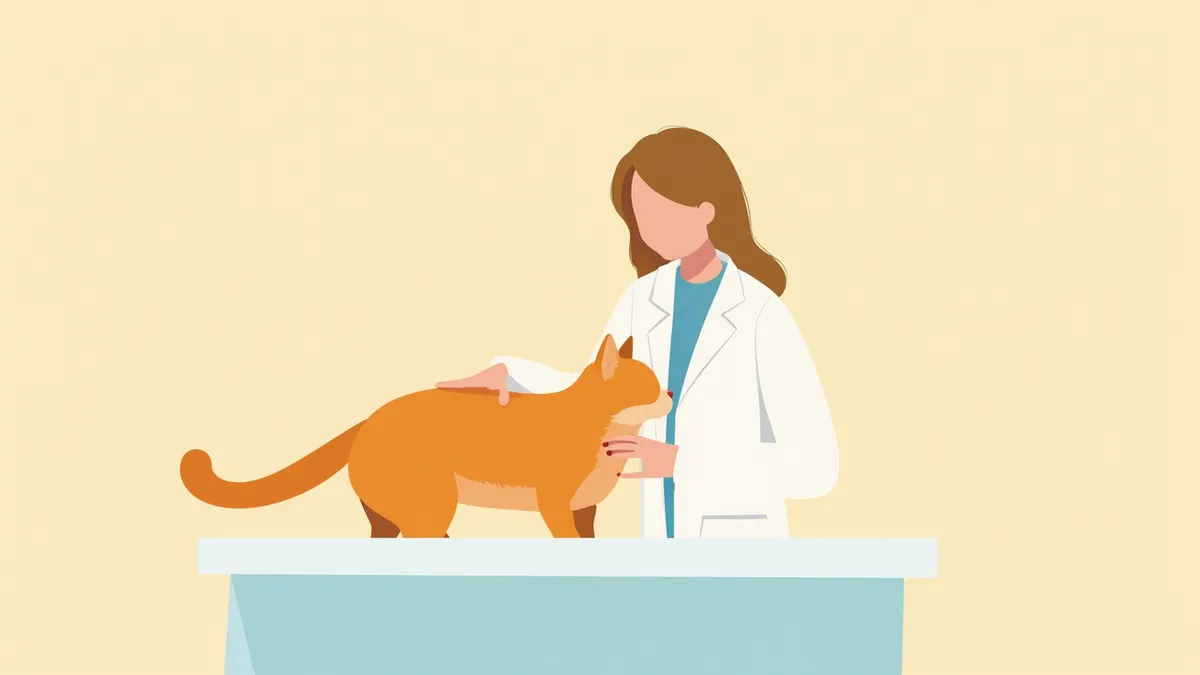
What a Standard Cat Body Shape Looks Like
Standard Weight Comparison by Breed
| Item | Female average | Male average |
|---|---|---|
| Domestic Shorthair | 3.5-4.5kg | 4.5-5.5kg |
| Korean Shorthair | 3.0-4.0kg | 4.0-5.0kg |
| Russian Blue | 3.0-4.5kg | 4.5-5.5kg |
| British Shorthair | 3.5-5.5kg | 5.5-7.5kg |
| Maine Coon | 5.0-8.0kg | 7.0-11.0kg |
| Munchkin | 2.5-3.5kg | 3.0-4.5kg |
These are averages at 12 months of age and may vary by ±10% depending on neuter/spay status
How to Check BCS (Body Condition Score) at Home
When to Consult a Vet Immediately
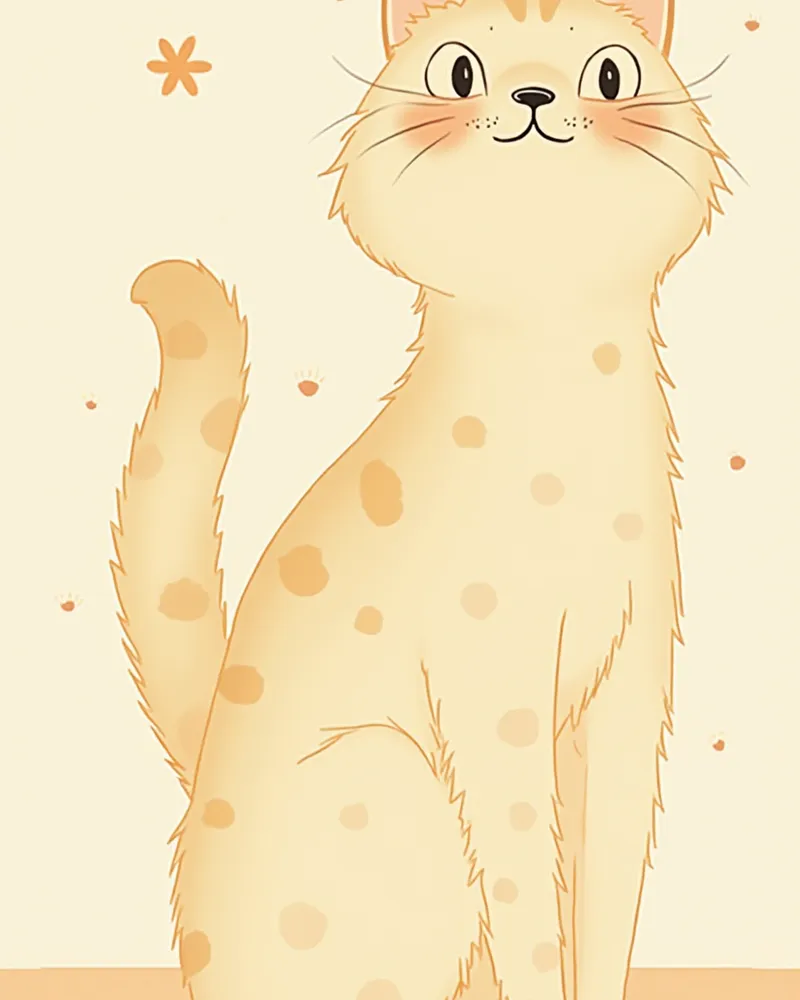
If your cat’s body condition or weight changes noticeably, it’s time to consult a professional. In particular, don’t ignore rapid weight loss over a short period, an abnormally distended abdomen, or prominent spine and pelvic bones due to muscle wasting. Veterinary textbooks note that severe, short-term weight loss can occur with conditions like chronic kidney disease or gastrointestinal lymphoma, and internal medicine disorders closely tied to body condition, such as diabetes, are also common in cats. If the abdomen is generally swollen, it could indicate organ enlargement, intra-abdominal tumors, or ascites. Therefore, especially for older cats, regularly monitor their weight and body condition and seek veterinary care promptly if you notice any changes.
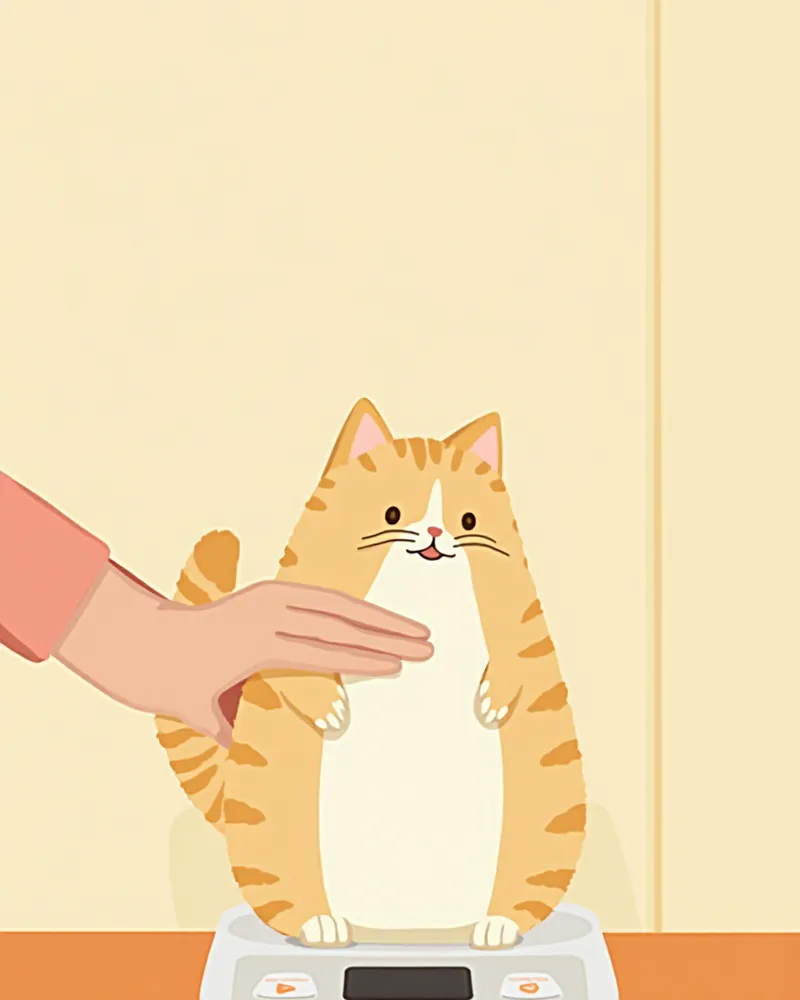
How Often Should You Weigh Your Cat?
Factors Affecting Body Proportions
The Primal Pouch (Abdominal Fat Pouch) Is Normal
The loose pouch of skin and fat hanging between the hind legs on the lower belly is a normal anatomical feature called a primal pouch. It consists of loosely attached layers of skin, fat, and muscle, which help protect the abdomen during jumps and allow for greater flexibility in movement. This pouch is present in most cats, even those who are not overweight. However, if the entire abdomen appears distended or swollen rather than just having a pouch, it could be a sign of ascites or organ enlargement, so it’s important to distinguish between the two.
Reviewed by a veterinarian

Dr. Tony — Punnawat Phongkittirak
VeterinarianA veterinarian who majored in veterinary medicine at Khon Kaen University, Thailand, and completed the IVSA program at North Carolina State University in the United States. Drawing on clinical experience at animal hospitals, he works in the pet healthcare field and is dedicated to building a digital care environment that connects pet parents with veterinarians.
Reviewed 2026-04-27
Frequently Asked Questions
My cat weighs 6kg. Is that considered obese?
What is the standard weight for a kitten?
My pet keeps gaining weight after being spayed or neutered. Is this normal?
At what body condition score (BCS) stage does a pet need to start a diet?
My pet’s weight is normal, but I can feel their bones. Is that okay?
Share
Related Guides

Top 7 Short-Legged Dog Breeds

Primary vs. Secondary Veterinary Hospitals: A Comparison

5 Easy-to-Raise Cat Breeds for First-Time Owners — Grooming Difficulty Comparison

How to Choose a Pet Sitter? — A Checklist to Review Before Entrusting Your Pet
10 Warning Signs of Dog Cancer — Symptoms Pet Owners Often Miss

Guide to Prescription Abbreviations — Meanings of SID, BID, and PRN at a Glance

Fleas on an Indoor Cat? — Entry Routes and Environmental Management to Prevent Reinfestation

Average Cat Lifespan and Secrets to Longevity: A Complete Guide
Can Cats Get Heartworm Disease? — Why It’s More Dangerous Than in Dogs and How to Prevent It

Guide to Traveling with Pets on KTX and Trains
References
[1] Little, S.E., The Cat: Clinical Medicine and Management, 2nd Edition, Chapter on Nutrition and Body Condition Assessment
[2] WSAVA Global Nutrition Committee, Body Condition Score Guidelines for Cats, 2013
[3] Laflamme, D.P., Development and validation of a body condition score system for cats, Feline Pract. 1997;25(5):13-18