
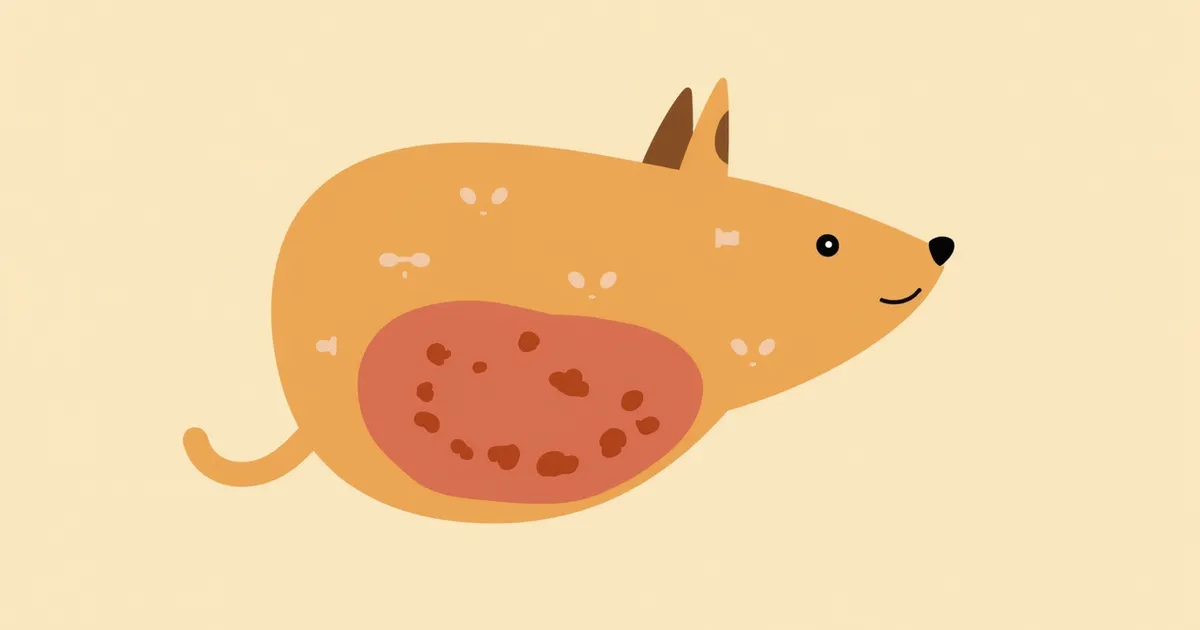
Diagnosed with a Liver Cyst in Your Dog — Warning Signs and Treatment Timing
Liver cysts in dogs are fluid-filled sacs that form within the liver. While most are asymptomatic, larger cysts can impair liver function. Early detection and proper management are key.
What Is a Liver Cyst in Dogs?

What Are the Main Causes of Liver Cysts?
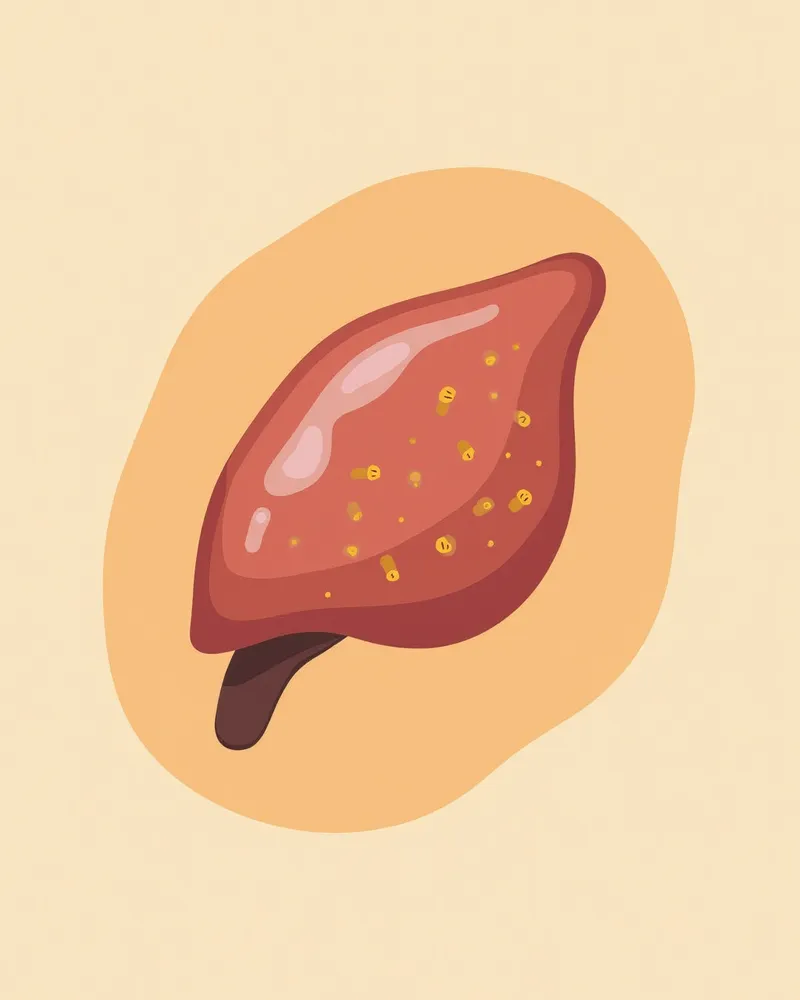
Main Symptoms of Liver Cysts in Dogs

Situations Requiring Immediate Veterinary Visit
If your dog suddenly starts vomiting repeatedly, experiences rapid abdominal swelling with signs of pain, or develops yellowing of the gums and eyes, immediate veterinary care is necessary. These symptoms may indicate that a cyst has enlarged, causing fluid accumulation in the abdomen, or that liver function has deteriorated rapidly.
How Are Liver Cysts Diagnosed?
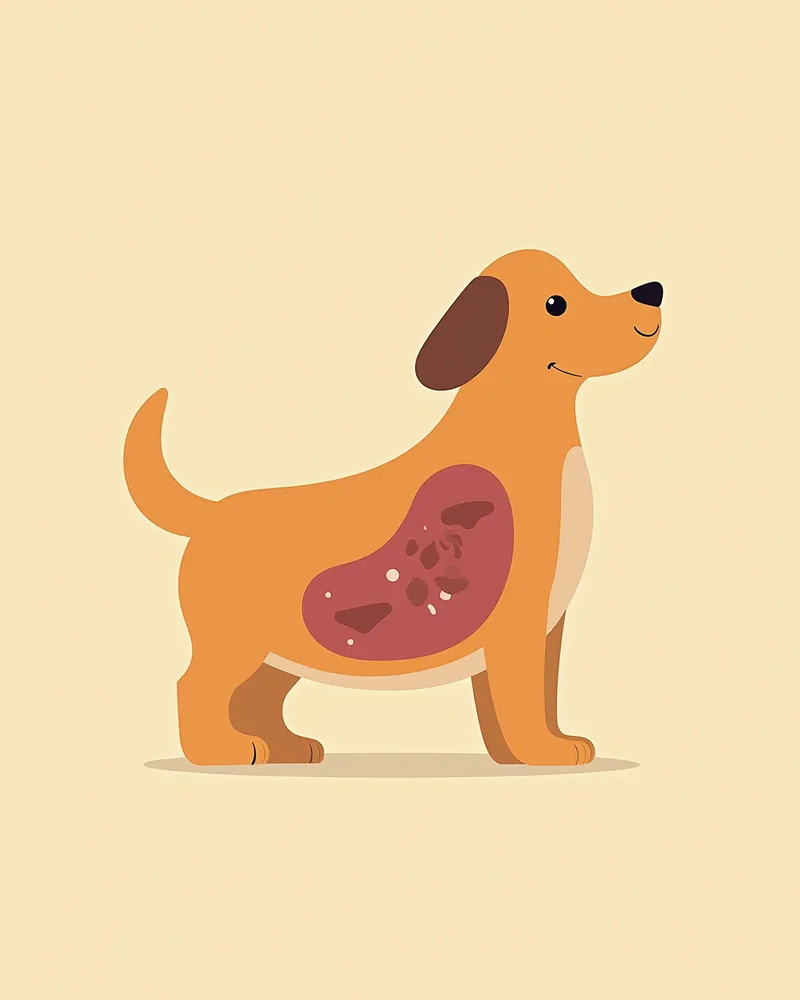
What Are the Treatment Options?
Home Care Points

Certain Breeds Require Caution
Liver cysts are often linked to congenital malformations of the bile ducts or genetic predispositions, meaning polycystic liver disease can occur in individuals with a genetic background. Therefore, it is advisable for dogs with a predisposition to congenital liver disease or older dogs to undergo regular liver ultrasound screenings to monitor any changes in cysts, even if they are asymptomatic.
Reviewed by a veterinarian

Dr. Tony — Punnawat Phongkittirak
VeterinarianA veterinarian who majored in veterinary medicine at Khon Kaen University, Thailand, and completed the IVSA program at North Carolina State University in the United States. Drawing on clinical experience at animal hospitals, he works in the pet healthcare field and is dedicated to building a digital care environment that connects pet parents with veterinarians.
Reviewed 2026-06-07
Frequently Asked Questions
Is a dog's liver cyst cancer?
Can liver cysts not be treated?
Are liver cysts hereditary?
Should I change my pet’s food if they develop a liver cyst?
How often should regular check-ups be performed?
Share
Related Guides

Top 7 Low-Protein Diets for Dogs with Liver Disease Recommended by Veterinarians — Protein Adjustment Criteria

7 Key Symptoms and Management Essentials for Canine Cholecystitis Recommended by Veterinarians

Top 5 Milk Thistle (Silymarin) Liver Supplements for Dogs — A Comparison Guide Based on Silybin Content and Absorption Rates

If Your Dog Has Dandruff and Oily Skin — Causes and Treatment Timing for Seborrheic Dermatitis

If Your Dog Keeps Scratching and Smells Bad — Causes and Treatment Timing for Malassezia Dermatitis

If Your Cat’s Nasal Congestion Won’t Go Away — Causes and Treatment Points for Chronic Rhinitis and Rhinosinusitis
If Your Dog Suddenly Has Labored Breathing — Pulmonary Edema Symptoms, Causes, and Emergency Response Timing

When Your Cat Keeps Coughing — Feline Pneumonia: Symptoms, Causes, Treatment, and Care

Coccidiosis in Dogs: Symptoms, Transmission Routes, Treatment, and Prevention

Canine Anaplasmosis: Symptoms, Transmission Routes, and Treatment & Prevention Guide
References
[1] Heaton, C.M. et al. (2020). Evaluation of toceranib for treatment of apocrine gland anal sac adenocarcinoma in dogs. J Vet Intern Med, 34(2), 873–881.
[2] BSAVA Manual of Canine and Feline Dermatology, 4th Ed. (2021). Chapter on Anal Sac Neoplasia.
[3] Mellanby, R.J. et al. (2002). Anal sac adenocarcinoma in a Siamese cat. J Feline Med Surg, 4(4), 205–207.