Like
Share
멍실장
강아지 서맥·방실 차단 관리 추천 BEST와 고르는 기준 총정리

7 Key Management Strategies and Selection Criteria for Canine Bradycardia and Atrioventricular Block According to Veterinarians

HeartTop PicksMeongsiljang Veterinary Advisory Board

Canine bradycardia and atrioventricular block are conditions characterized by a slowed heart rate due to abnormalities in the heart's electrical conduction system. With proper management and recommended products, you can help improve your dog's quality of life.

Canine bradycardia and atrioventricular block are conditions characterized by a slowed heart rate due to abnormalities in the heart's electrical conduction system.

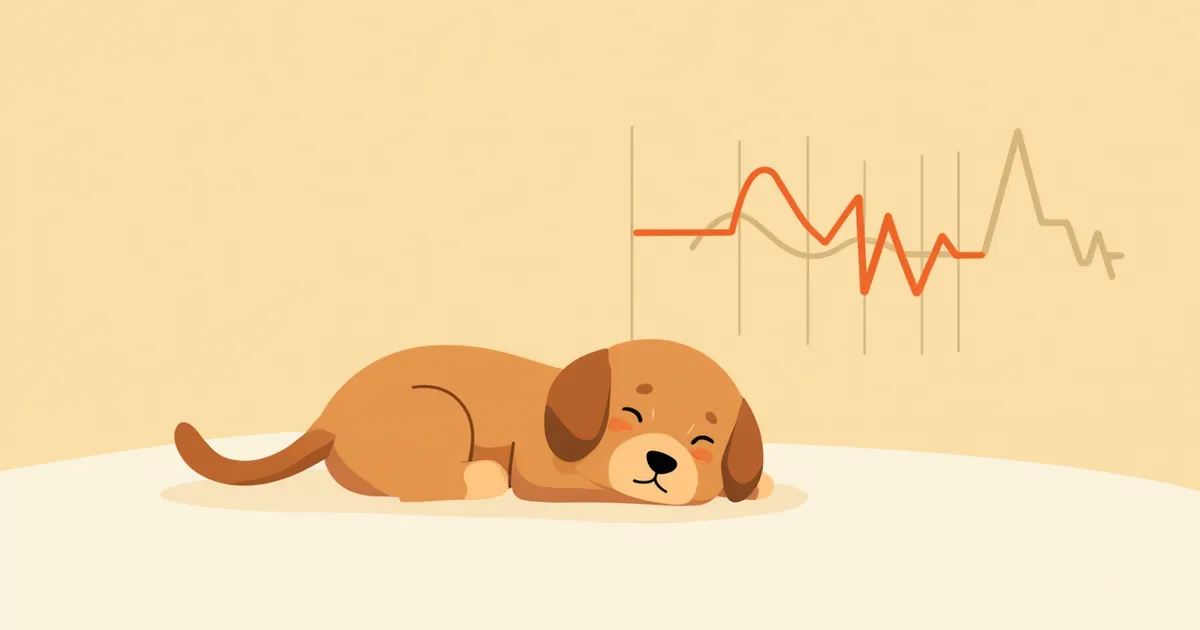
An image visualizing the heart conduction issues of bradycardia and atrioventricular block in dogs
Bradyarrhythmias and atrioventricular (AV) block in dogs are conduction system disorders in which impaired electrical signaling slows the heart rate. When the pulse becomes excessively slow, inadequate blood circulation can lead to fatigue or fainting. Sinus bradycardia is commonly associated with heightened vagal tone or systemic diseases, and may also occur as a side effect of certain medications, such as beta-blockers. Bradyarrhythmias are more common in dogs than in cats, and the majority of cases requiring treatment involve third-degree AV block or sick sinus syndrome. However, because these conditions often respond poorly to medication alone, an accurate diagnosis via electrocardiogram (ECG) is essential; if the condition is severe or unresponsive to drugs, implantation of an artificial pacemaker should be considered. Therefore, professional veterinary diagnosis and a tailored treatment plan are far more important than nutritional supplements.

There are four key criteria for selecting products to manage bradycardia and atrioventricular block in dogs.

When choosing a product to manage bradycardia or atrioventricular block in dogs, be sure to check four key criteria. First, the product should contain ingredients that support heart health. Second, it should be recommended by veterinarians or backed by clinical research. Third, confirm that the administration form is suitable for your dog. Fourth, the product should have minimal side effects and be safe for long-term, stable use. Selecting a product based on these criteria ensures safe and effective management.
A scene showing how to check the criteria for choosing a heart health product for dogs.

BEST 1: High-concentration omega-3 product specialized for stabilizing cardiac conduction

This product is a supplement containing omega-3 fatty acids and lecithin. Omega-3 fatty acids cannot be synthesized by the body and must be obtained through the diet; they are known to produce mediators that are less inflammatory or have anti-inflammatory effects compared to those derived from omega-6 fatty acids. However, veterinary textbooks do not support the claim that omega-3 fatty acids or lecithin stabilize or treat conduction system abnormalities such as bradycardia or atrioventricular block. Therefore, this product should be considered only for general nutritional support and is not a treatment for conduction disorders. If bradycardia or atrioventricular block is suspected, a definitive diagnosis must be made via electrocardiogram, and you should follow your veterinarian’s treatment plan, which may include medication or pacemaker implantation if necessary. Please remember that supplements play only a supportive role.
Image of an omega-3 product specialized in stabilizing cardiac conduction

BEST 2: Mineral complex supporting cardiac electrical activity

This product contains electrolyte minerals such as potassium, magnesium, and calcium. Electrolytes play a key role in the heart’s electrical activity, so veterinarians routinely assess levels of sodium, potassium, calcium, and phosphorus during diagnosis. However, supplementing minerals without veterinary guidance can be dangerous. In particular, hyperkalemia (excess potassium) can cause conduction abnormalities such as atrial standstill, so ruling out hyperkalemia is the first step when atrial standstill is suspected. Therefore, electrolyte supplements should only be used when a veterinarian has confirmed a deficiency through blood tests, and they should never be given based on your own judgment. Please remember that the fundamental management of bradycardia and atrioventricular block relies on an accurate diagnosis and a treatment plan developed by your veterinarian.
Image of a mineral complex that supports cardiac electrical activity

BEST 3: Probiotic complex for heart health

This product is a supplement containing beneficial gut bacteria (probiotics). Probiotics can support gut health by modulating intestinal immune function, aiding epithelial cell homeostasis, and inhibiting the activity of pathogenic bacteria. However, veterinary textbooks do not provide evidence that probiotics complement cardiac conduction system function or improve bradycardia or atrioventricular block. Additionally, commercially available general products often vary significantly in strain composition and CFU content, which can reduce their reliability; therefore, it is advisable to choose products from reputable manufacturers. In conclusion, while probiotics may be beneficial as a supplement for gut health, they are unrelated to the treatment of conduction disorders. Any heart-related issues must be diagnosed and treated by a veterinarian.
Image of a probiotic complex formulated specifically for heart health

Comparison table of BEST 1–3 products

ItemBEST 1 Omega-3BEST 2 Mineral ComplexBEST 3 Probiotics
Main ingredientsOmega-3, LecithinPotassium, Magnesium, CalciumBeneficial bacteria, Prebiotics
Known actionAnti-inflammatory support (no evidence of conduction improvement)Electrolyte-related (risk of hyperkalemia with arbitrary supplementation)Gut health support (unrelated to cardiac conduction)
Administration formCapsule (once/day)Treat-type tabletPowder (mixed into food)
Recommended age6 months and above3 months and above3 months and above
PrecautionsLimited to supportive nutritional purposesRisk of electrolyte abnormality with arbitrary supplementationReliability varies due to strain and CFU variation

There is no veterinary textbook evidence that these supplements treat conduction system abnormalities such as bradycardia or AV block. For cardiac conduction disorders, ECG diagnosis and the veterinarian's medication or pacemaker treatment come first, and supplements should be considered only in a supportive role.

Consult your veterinarian before use

Bradyarrhythmia and ventricular block in dogs can indicate serious heart conditions. Before giving any supplements, have your veterinarian perform diagnostic tests such as an electrocardiogram. Using the wrong products can increase the strain on your dog’s heart, so never administer supplements based on your own judgment.

5 Tips for Managing Bradycardia and Atrioventricular Block in Dogs

Here are some practical tips for managing bradycardia and atrioventricular block in dogs. - Regular check-ups: Have your dog’s heart checked every six months. - Stress management: Excessive stress can affect heart rate, so keep your dog calm. - Exercise moderation: Overexertion can strain the heart, so stick to appropriate levels of activity. - Dietary adjustments: Avoid foods high in salt and fat. - Check for drug interactions: Always consult your veterinarian before giving your dog other medications alongside prescribed treatments.
A scene showing the practical application of tips for managing bradycardia and atrioventricular block in dogs.

Reviewed by a veterinarian

Dr. Tony — Punnawat Phongkittirak

Dr. Tony — Punnawat Phongkittirak

Veterinarian

A veterinarian who majored in veterinary medicine at Khon Kaen University, Thailand, and completed the IVSA program at North Carolina State University in the United States. Drawing on clinical experience at animal hospitals, he works in the pet healthcare field and is dedicated to building a digital care environment that connects pet parents with veterinarians.

Frequently Asked Questions

Can bradycardia and atrioventricular block be treated?
Medications alone often fail to adequately control bradyarrhythmias. In cases of third-degree atrioventricular block or sick sinus syndrome requiring treatment, implantation of an artificial pacemaker is recommended if the condition is severe or unresponsive to medication. The goal is not necessarily a cure, but rather managing symptoms and maintaining quality of life through accurate diagnosis and appropriate treatment.
When should I start giving my pet nutritional supplements?
Supplements are not medications for treating sinus bradycardia or atrioventricular block. If you suspect these conditions, it’s most important to have your pet examined by a veterinarian with tests like an ECG for an accurate diagnosis, rather than starting supplements on your own. Whether to use any supportive supplements should also be decided in consultation with your veterinarian after diagnosis.
Is it safe to give my pet nutritional supplements long-term?
Products recommended by veterinarians tend to show stable results even with long-term use. However, it’s important to have regular check-ups to monitor your pet’s condition and make adjustments if needed.
Can this be taken with other medications?
Because this medication may interact with other drugs, always consult your veterinarian before combining it with any other treatments. Particular caution is needed when used alongside calcium channel blockers or digoxin, as the risk of bradyarrhythmia may increase.
My dog won’t take his supplements. What should I do?
Treats or powdered supplements can be mixed into your pet’s regular food. It’s important to choose a product that tastes good and is easy for them to consume without any discomfort.

Share

Related Guides

References

[1] Plumb's Veterinary Drug Handbook, 9th ed. 2022. Wiley-Blackwell.

[2] Bonagura, J.D. (2019). Kirk's Current Veterinary Therapy XV: Small Animal Practice. Elsevier.

[3] American College of Veterinary Internal Medicine (ACVIM). Consensus Statement on Canine Arrhythmias. J Vet Intern Med. 2021;35(3):1023-1038.

This information is based on veterinary literature and does not replace diagnosis or treatment. Please consult a veterinarian for specific health concerns.

Metapet Co., Ltd. | CEO: Park Sung-yong | Business Reg. No. 417-88-02562 | Seoul, South Korea | Customer Center

7 Vet Strategies for Canine Bradycardia & AV Block Management | Meongsiljang