Like
Share
멍실장
강아지 만성 비염·비강 분비물 자주 묻는 질문 Q&A — 보호자가 꼭 알아야 할 핵심

Dog Chronic Rhinitis and Nasal Discharge FAQ — Key Information Every Pet Owner Should Know

RespiratoryQ&AMeongsiljang Veterinary Advisory Board

Chronic rhinitis and nasal discharge in dogs can have various causes, making accurate diagnosis essential. We’ve compiled the key information every pet owner should know in a Q&A format.

What Is Dog Chronic Rhinitis and Nasal Discharge?

A puppy with nasal discharge
Chronic rhinitis in dogs is an inflammatory condition within the nasal passages that persists for more than three weeks, characterized by a continuous flow of mucous discharge. - Chronic irritation of the nasal mucosa: Allergens, infectious agents, and foreign bodies in the air irritate the mucous membranes, triggering inflammation. - Characteristics of the discharge: The discharge is typically sticky or clear and persists over time; it may occasionally contain blood. - Diverse causes: Infections, allergies, foreign body intrusion, and tumors are among the primary causes, making accurate diagnosis essential for effective treatment. - Risks of chronicity: If left untreated, the condition can affect the airways and lead to respiratory distress. Prompt consultation with a veterinarian is necessary to identify the underlying cause and implement appropriate management.

Why Do Dogs Frequently Have Nasal Discharge?

Nasal discharge in dogs can arise from a variety of causes. Infections are common, and while bacterial and viral infections are well-known, fungal infections are also significant. In particular, Aspergillus fungal infection is recognized as the second most common cause of chronic nasal disease in dogs. Allergic or inflammatory reactions can also occur, with many dogs showing sensitivity to dirt, pollen, or dust. Foreign bodies entering the nasal cavity can cause irritation, and inhaled dust or chemicals may also be contributing factors. Though rare, tumors or genetic abnormalities such as primary ciliary dyskinesia should also be considered. Carefully observing the color and odor of the discharge can help narrow down the underlying cause.
A puppy with clear discharge around its nose

What Are the Main Symptoms of Chronic Rhinitis?

The primary symptom of chronic rhinitis in dogs is persistent nasal discharge. While the discharge may be clear, it can also appear white, yellow, green, or blood-tinged. Dogs may frequently paw at their nose or rub it against surfaces. They might exhibit difficulty breathing or produce snorting sounds indicative of nasal obstruction. In severe cases, nasal swelling or facial asymmetry may occur. If symptoms persist over time, weight loss and lethargy may also develop.
A puppy sneezing and discharging mucus from its nose

Signs That Require Immediate Veterinary Visit

If your pet’s nasal discharge turns red, brown, or green, or develops a strong odor, seek veterinary care immediately. Swelling of the nose or facial asymmetry may indicate a tumor. Difficulty breathing or loss of interest in food are also serious warning signs. All of these symptoms require prompt, accurate diagnosis by a veterinarian and should be treated as emergencies.

What Tests Are Needed for an Accurate Diagnosis?
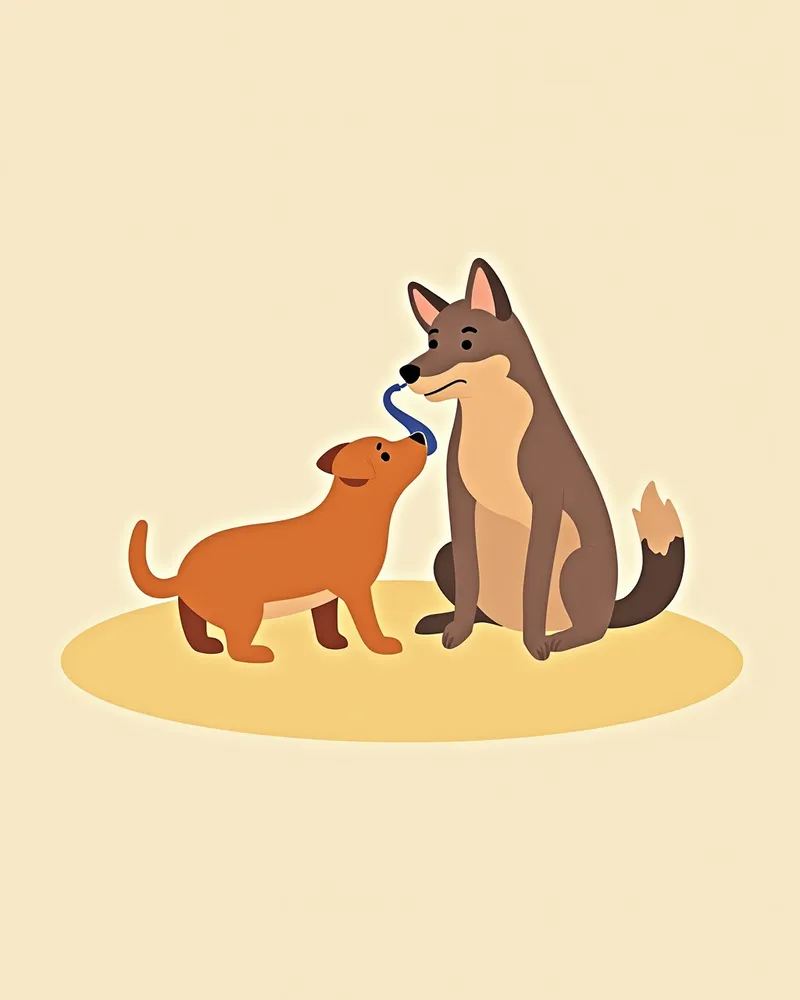
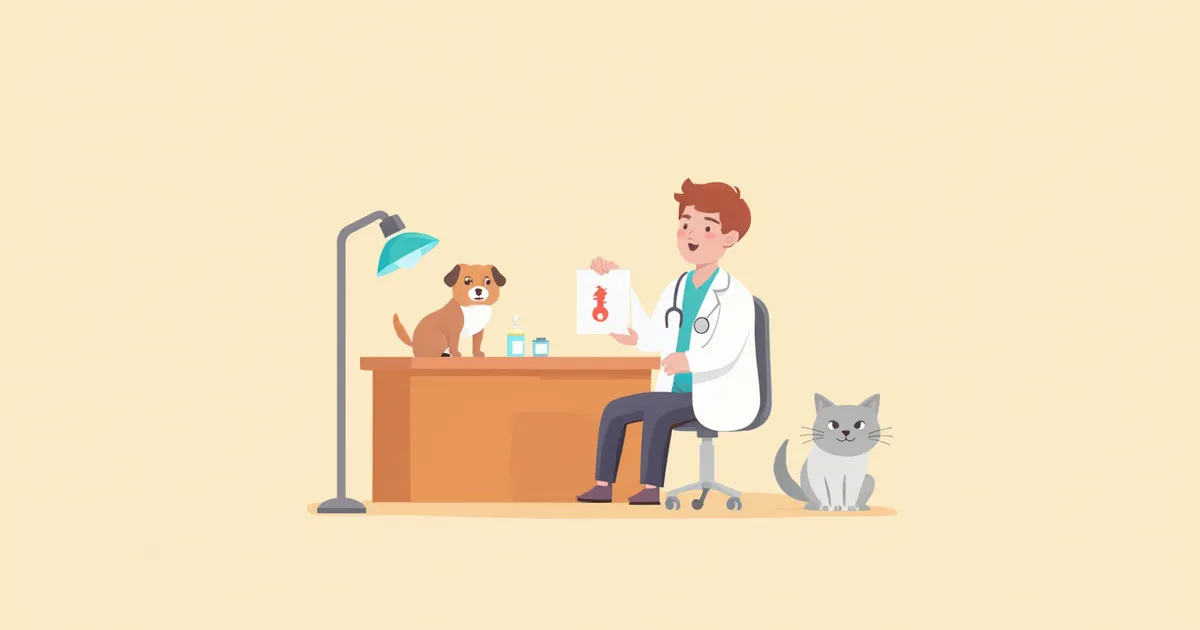
Diagnosing chronic rhinitis in dogs involves a combination of tests. First, a nasal endoscopy is performed to directly visualize the condition inside the nasal cavity. X-rays or CT scans are used to assess bone structure and check for tumors, and if necessary, a biopsy is conducted to analyze tissue samples. Blood tests evaluate the dog’s overall health and screen for allergic reactions. Additionally, nasal discharge may be collected to test for bacterial or fungal infections. Accurately identifying the underlying cause is key to effective treatment.
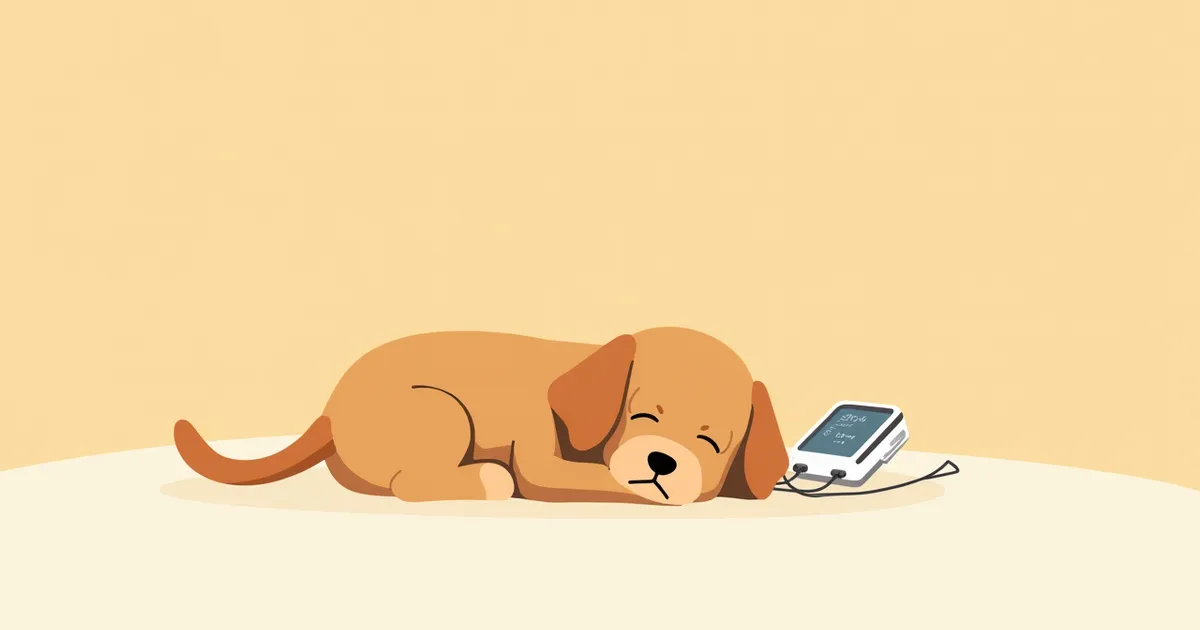
A veterinarian inserting an endoscope into a puppy's nose

What Are the Treatment Methods?

Treatment is carefully tailored to the underlying cause. - Infectious causes: If the issue is caused by a bacterial or fungal infection, antibiotics or antifungal medications are prescribed. For fungal infections (such as Aspergillus), localized medication may be combined with sinus flushing and disinfection. - Allergic reactions: Symptoms are managed with antihistamines or immunomodulators, alongside environmental adjustments. - Foreign bodies: A procedure using nasal endoscopy to directly remove the object may be necessary. - Suspected tumors: Radiation therapy is the most commonly used treatment for nasal tumors. Surgery alone typically does not significantly improve symptoms or survival time, so treatment centers on radiation therapy, often combined with chemotherapy depending on the tumor’s characteristics. - Inflammation reduction: Steroid medications are used to reduce mucosal swelling and alleviate symptoms. The duration of treatment can vary from two weeks to several months, depending on the cause and the patient’s response.
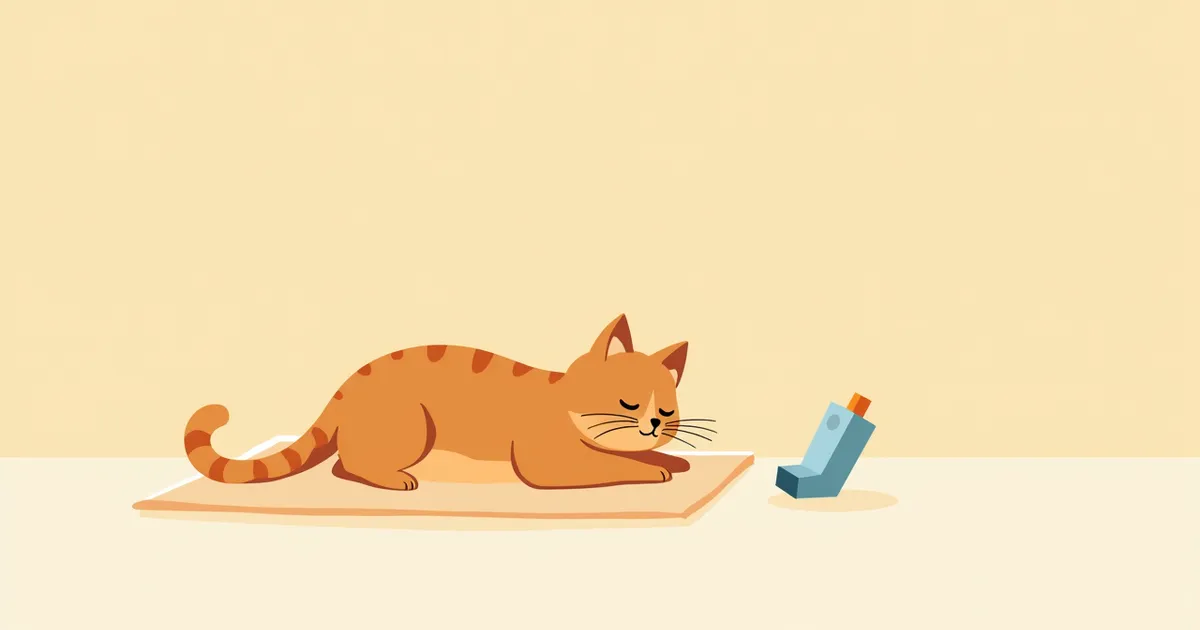
A veterinarian administering a nasal spray to a puppy

Home Care Methods

Gently wipe the area around your dog’s nose with gauze moistened in warm water. - Protect nasal mucosa: Dry air can irritate the mucous membranes, so maintain an appropriate indoor humidity level. - Improve the environment: Use an air purifier and prohibit smoking to reduce exposure to dust and chemicals. - Avoid strong odors: Keep your dog away from perfumes and detergents that they might inhale. - Ensure adequate hydration: Encourage frequent water intake to keep the mucous membranes moist. - Medication management: Carefully follow all medication instructions and schedule regular veterinary visits to monitor treatment effectiveness.
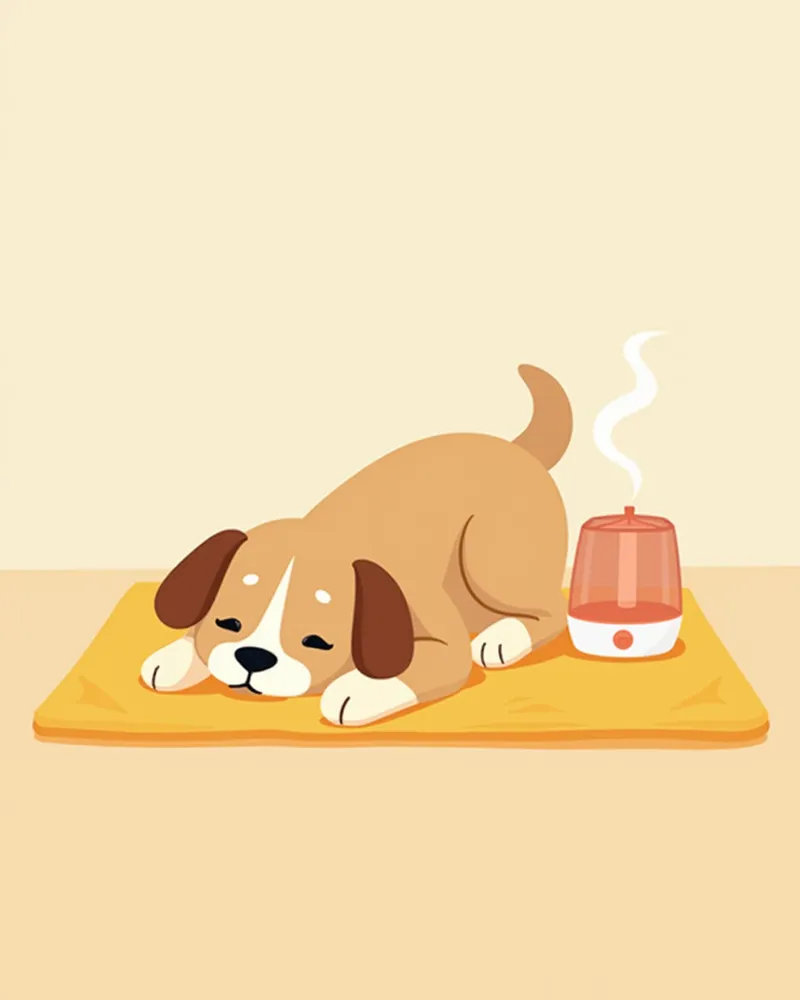
A puppy resting comfortably in a damp environment

Comparison of Causes and Responses by Symptom

ItemSymptomPossible CauseResponse Method
Clear dischargeAllergyEarly rhinitisCold
Yellow/green dischargeBacterial infectionNasal inflammationForeign body
Blood-tinged dischargeTumorTraumaNasal injury
Foul-smelling dischargeBacterial/fungal infectionForeign bodyTumor

Since the cause and treatment vary by symptom, an accurate diagnosis is essential.

Reviewed by a veterinarian

Dr. Tony — Punnawat Phongkittirak

Dr. Tony — Punnawat Phongkittirak

Veterinarian

A veterinarian who majored in veterinary medicine at Khon Kaen University, Thailand, and completed the IVSA program at North Carolina State University in the United States. Drawing on clinical experience at animal hospitals, he works in the pet healthcare field and is dedicated to building a digital care environment that connects pet parents with veterinarians.

Frequently Asked Questions

Is it normal for my dog to frequently have nasal discharge?
If symptoms persist for more than three weeks, it is likely chronic rhinitis. Since underlying causes can include infections, allergies, or tumors, please consult your veterinarian.
What should I do if my pet’s nasal discharge is red?
Blood-tinged discharge can be a sign of a tumor or severe injury. Immediate veterinary care is necessary. A veterinarian needs to make an accurate diagnosis and begin treatment.
Can I perform nasal flushing at home?
Cleaning at home without a veterinarian’s guidance can be dangerous. If done incorrectly, it may damage the mucous membranes. A veterinarian should provide you with the proper method.
Can dog rhinitis be prevented?
While prevention can be challenging, you can reduce risk factors by using an air purifier, avoiding smoking, and wiping your pet’s nose after going outside. Regular health check-ups are also important.
Can rhinitis recur after treatment?
If the underlying cause isn’t addressed, the condition can recur. For example, if allergies are involved, environmental control is essential. Ongoing management is necessary even after treatment.

Share

Related Guides

References

[1] BSAVA Manual of Canine and Feline Dermatology, 4th Ed, 2013

[2] Plumb's Veterinary Drug Handbook, 9th Ed, 2021

[3] Veterinary Internal Medicine, 8th Ed, 2020

This information is based on veterinary literature and does not replace diagnosis or treatment. Please consult a veterinarian for specific health concerns.

Metapet Co., Ltd. | CEO: Park Sung-yong | Business Reg. No. 417-88-02562 | Seoul, South Korea | Customer Center

Dog Chronic Rhinitis & Nasal Discharge FAQ | Meongsiljang