Like
Share
멍실장
노르웨이숲 고관절 이형성 체크

Norwegian Forest Cat Hip Dysplasia Complete Guide — Symptoms, Diagnostics, and Management Timing

JointBreed HealthMeongsiljang Veterinary Advisory Board

Norwegian Forest Cats are at risk for hip dysplasia due to their large size. Here’s a summary of early warning signs and key management points.

What Is Hip Dysplasia in Norwegian Forest Cats?
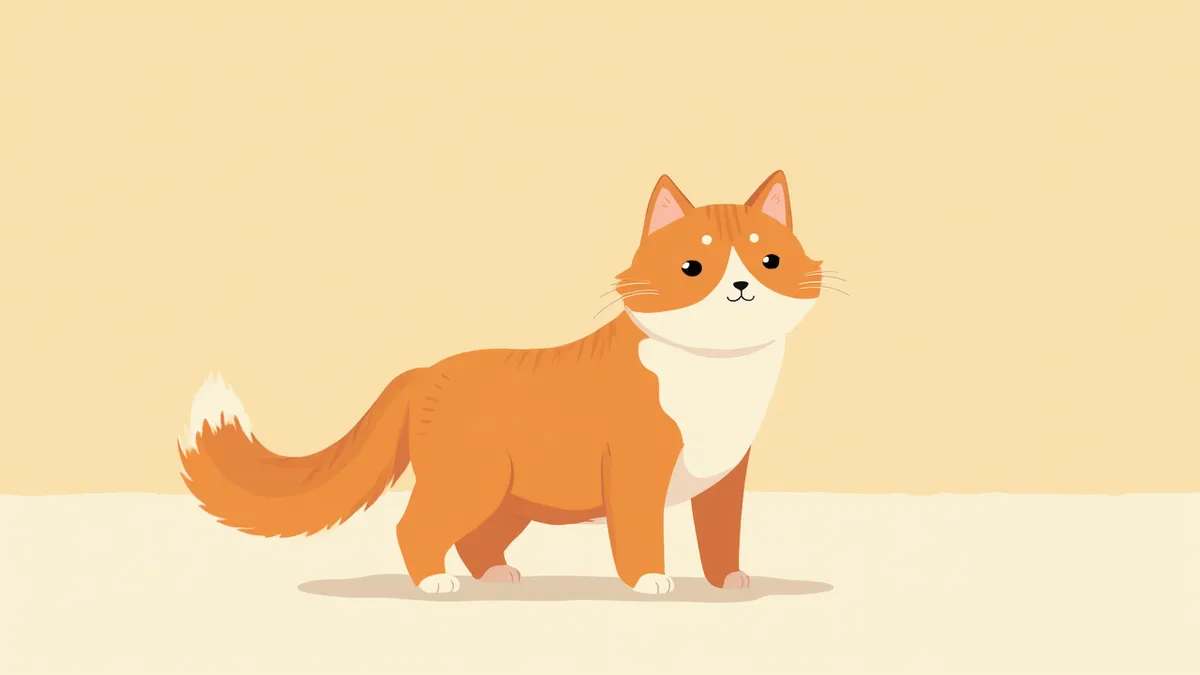
Full-body view of a Norwegian Forest Cat
Hip dysplasia is more common in large-breed dogs, but it can also severely affect small breeds and cats. Norwegian Forest Cats are a large, long-haired breed with a big skeletal frame, an average weight of 4–7 kg, and a prolonged growth period, so the load placed on their joints can contribute to the development of the condition. Early detection is key. If you notice your cat hesitating to jump as it normally would, avoiding stairs, or dragging its hind legs, seek veterinary orthopedic care right away. Non-genetic factors such as nutrition, growth rate, body conformation, exercise level, and muscle mass are also known to influence joint health, making day-to-day lifestyle management essential.

Why Is It Common in Norwegian Forest Cats?

Hip dysplasia is a condition in which the head of the thigh bone (femur) does not fit properly into the hip socket (acetabulum), causing joint instability that leads to tissue damage, chronic inflammation, pain, and ultimately osteoarthritis. Although cats are born with normal hips, the condition progresses as joint laxity increases during growth. While the exact cause remains unknown, it is believed to arise from a genetic predisposition involving multiple genes, combined with environmental factors. Although hip dysplasia is more common in large dog breeds, cats can also be affected; larger body size can increase the load on the joints, serving as a risk factor. Non-genetic factors such as nutrition, growth rate, exercise level, and muscle mass—including obesity, slippery flooring, and excessive jumping—also contribute to the progression of the disease.

Early Warning Signs to Check at Home

In the early stages, symptoms often manifest as subtle behavioral changes rather than obvious signs of arthritis. If two or more of the following signs persist for over a week, a veterinary visit is recommended.
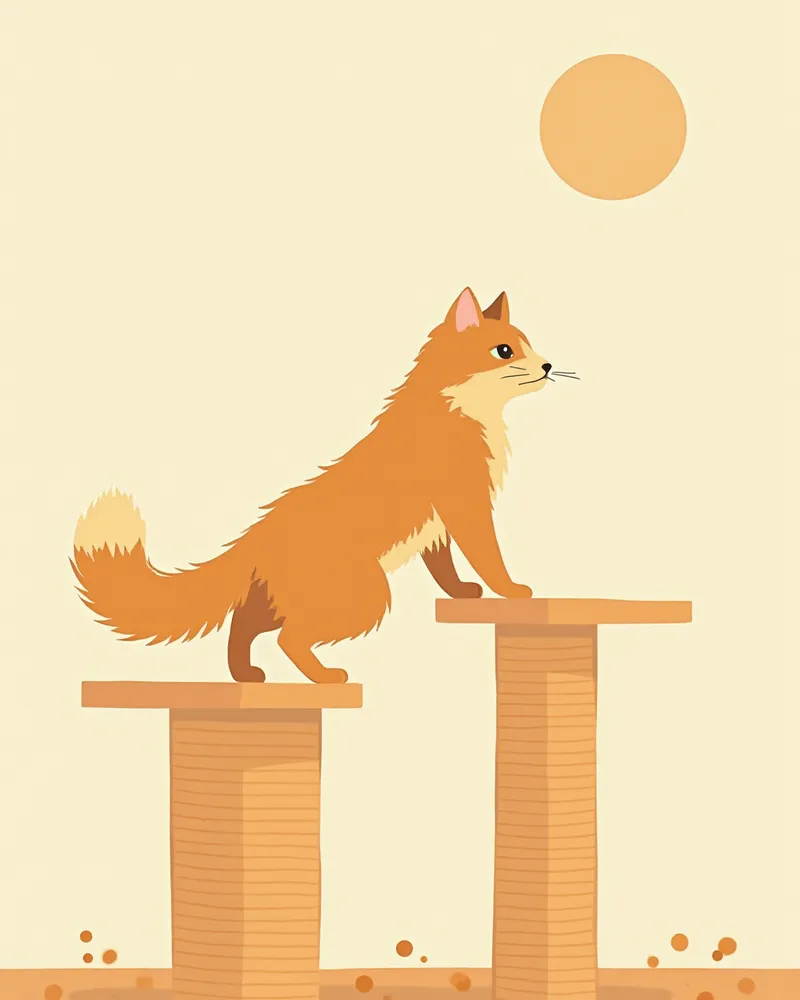
Hesitation to Jump: Reluctance or inability to leap in one motion onto familiar surfaces like cat trees or sofas.
Reduced Hindlimb Stride: A "bunny-hopping" gait where both hind legs move together.
Changes in Grooming: Decreased or rougher grooming of the hindquarters and inner thighs.
Postural Avoidance: Spending extended periods lying on the side and avoiding touch.
Decreased Activity: Shorter play sessions and more frequent rest breaks.
A Norwegian Forest cat hesitating to jump in front of a cat tower

When to Seek Immediate Veterinary Care

If your pet suddenly refuses to bear weight on its hind legs or walks with one leg held up for more than 24 hours, it may be a medical emergency. Immediate veterinary care is also necessary if you notice a decrease in appetite or water intake due to pain, or if your pet reacts aggressively when touched. Without prompt treatment, muscle atrophy and secondary arthritis can progress rapidly.

Diagnostic Process at the Veterinary Clinic

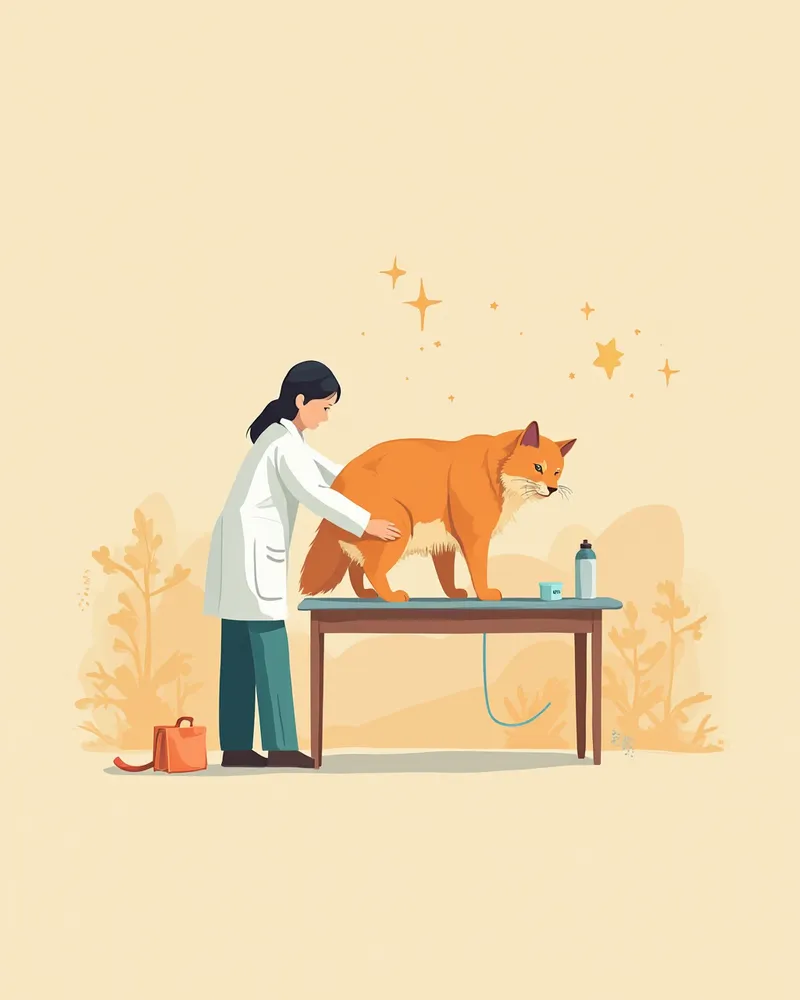
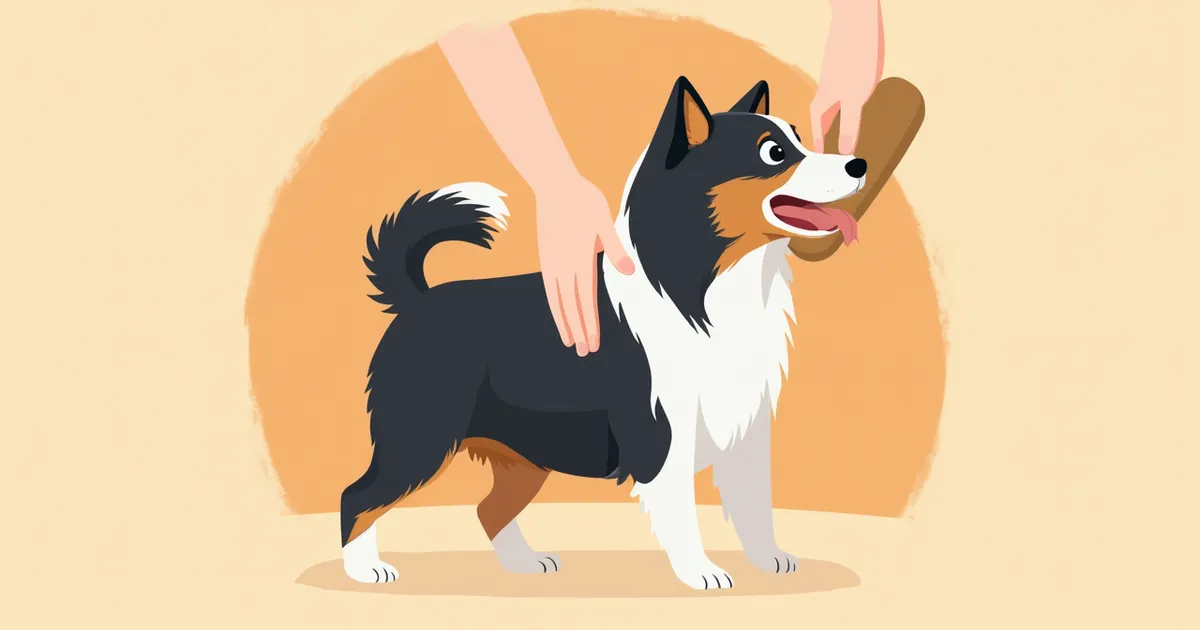
Hip dysplasia is confirmed through a physical examination and imaging tests. The veterinarian gently abducts and rotates the hind legs to assess pain and joint laxity. Next, X-rays are used to measure the shape of the joint and the angle of the pelvis (Norberg angle). If it is difficult to identify early lesions or pinpoint the source of pain, a CT scan may be added for a three-dimensional evaluation. Differential diagnosis may also be necessary to rule out conditions with similar symptoms, such as patellar luxation or lumbar disc disease.

Treatment and Management Options

Treatment is determined step by step, ranging from conservative management to surgery, depending on the severity of the condition. For mild to moderate cases, management focuses on weight control, joint nutritional supplements, and pain-relieving or anti-inflammatory medications. If the condition is severe, causing difficulty walking or uncontrolled pain, we consider femoral head ostectomy (FHO) or total hip replacement. The veterinarian determines the appropriate medication dosage and timing of surgery based on the pet’s weight and disease progression. Never administer human pain relievers on your own, as this is strictly prohibited and can be fatal to cats.
A veterinarian examining the hind legs of a Norwegian Forest cat.

Management Strategies by Severity

ItemMildModerateSevere
Main symptomsOccasional hesitation to jumpBunny hopping & intermittent limpingDifficulty bearing weight & severe pain
First-line managementWeight & environment controlWeight & environment + nutritional supportConsider surgery + pain management
Follow-up interval6 months3–4 months1–2 months

The exact classification is determined by the veterinarian based on X-ray and CT results

Ingredients That Support Joint Health

Safe

글루코사민(Glucosamine)

연골 구성 성분 보충

Dosage: 체중에 따라 수의사 처방

수의내과학 교과서 권장

Safe

콘드로이틴(Chondroitin Sulfate)

연골 분해 효소 억제

Dosage: 체중에 따라 수의사 처방

관절 보조제 표준 성분

Safe

오메가-3(EPA·DHA)

관절 염증 완화

Dosage: 수의사 권장량

Caution

MSM

항염증 보조

Dosage: 수의사 권장량

Home Care Points to Keep in Mind
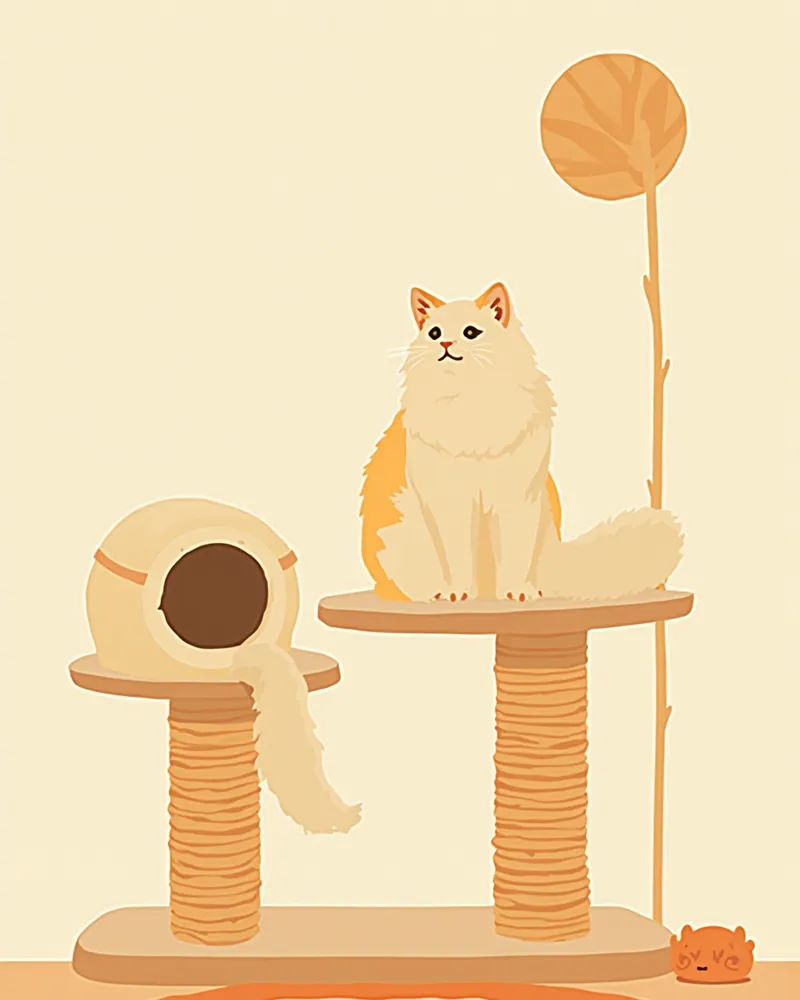
Creating an environment that reduces joint stress is just as important as medication.
Weight management: Maintain a healthy weight within ±5% of the ideal range, as obesity can increase joint stress by up to four times.
Slip prevention: Use rugs or yoga mats on hardwood floors to prevent slipping.
Stair-style ramps: Lower the steps on cat trees to distribute impact and reduce joint shock.
Low-entry litter boxes: Switch to models with a low threshold for easier access.
Appropriate exercise: Instead of strenuous jumping, engage in short, frequent play sessions (5–10 minutes) focused on ground-level hunting games.
Norwegian Forest Cats are highly active, so owners need to consciously regulate the intensity of their activity.
An indoor environment set up to be joint-friendly

Norwegian Forest Cats: Also Monitor Heart Health

For Norwegian Forest Cats, it’s a good idea to monitor not only their hip joints but also hypertrophic cardiomyopathy (HCM), a well-known feline heart condition. HCM is known to have a genetic component, so if clinical signs are suspected, additional tests—including genetic testing—can help confirm the diagnosis. Echocardiography is the most sensitive non-invasive diagnostic tool for this condition. During joint check-ups, regularly performing echocardiograms alongside auscultation allows you to monitor both the joints and the heart at the same time. The veterinarian will determine the appropriate testing frequency based on the individual cat’s condition and risk level.

Reviewed by a veterinarian

Dr. Tony — Punnawat Phongkittirak

Dr. Tony — Punnawat Phongkittirak

Veterinarian

A veterinarian who majored in veterinary medicine at Khon Kaen University, Thailand, and completed the IVSA program at North Carolina State University in the United States. Drawing on clinical experience at animal hospitals, he works in the pet healthcare field and is dedicated to building a digital care environment that connects pet parents with veterinarians.

Frequently Asked Questions

Is hip dysplasia purely genetic, meaning it always develops?
Even if a dog has a genetic predisposition, not every individual will develop the condition. Proper weight and environmental management can help delay the onset and slow the progression of the disease.
At what age should I start getting my pet checked?
Taking a baseline X-ray when your pet’s growth is nearly complete provides a valuable reference for future comparisons. If you notice signs such as hesitation to jump or limping, it’s best to seek veterinary care right away, regardless of your pet’s age. Please consult with your veterinarian to determine the most appropriate timing for check-ups.
Can I give my pet human glucosamine?
The ingredients and additives (such as xylitol) can be dangerous for cats. Please consult your veterinarian before using any product specifically formulated for cats.
Will surgery cure the condition?
Although pain is significantly reduced after femoral head ostectomy or hip replacement surgery, rehabilitation and weight management must be maintained for the rest of your pet’s life.
Can I raise this cat with other cats?
While generally fine, frequent strenuous jumps during chase play can strain the joints. Please separate the play area or adjust the intensity of the activity.

Share

Related Guides

References

[1] Little, S. The Cat: Clinical Medicine and Management, 2nd Edition

[2] Côté, E. et al., Textbook of Cardiovascular Medicine in Dogs and Cats

[3] Keller, G.G. et al., Hip dysplasia: a feline population study, Veterinary Radiology & Ultrasound, 1999

This information is based on veterinary literature and does not replace diagnosis or treatment. Please consult a veterinarian for specific health concerns.

Metapet Co., Ltd. | CEO: Park Sung-yong | Business Reg. No. 417-88-02562 | Seoul, South Korea | Customer Center

Norwegian Forest Cat Hip Dysplasia: Signs & Management | Meongsiljang