
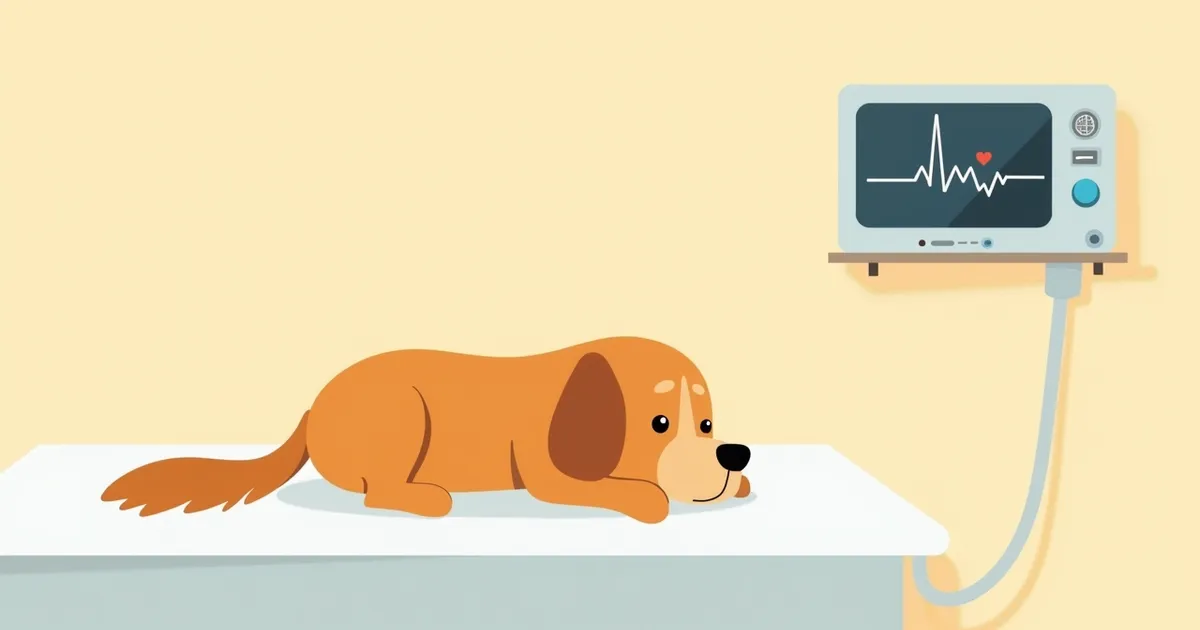
7 Warning Signs of Canine Pericardial Effusion and Cardiac Tamponade Identified by Veterinarians
Pericardial effusion and cardiac tamponade in dogs are dangerous conditions that can lead to acute heart failure. Proper management and treatment are essential.
Canine Pericardial Effusion and Cardiac Tamponade Are Serious Heart Conditions

Key Information: Managing Canine Pericardial Effusion and Cardiac Tamponade

Key Information 1: What Are Pericardial Effusion and Cardiac Tamponade?
Key Information 2: How Are Diagnosis and Treatment Performed?
Key Information 3: What Are the Long-Term Management and Owner Precautions?

What Owners Should Know About Canine Pericardial Effusion and Cardiac Tamponade
| Item | Key Points |
|---|---|
| Condition | A state in which fluid accumulates within the pericardium and compresses the heart |
| Symptoms | Difficulty breathing, lethargy, pale gums, abdominal distension |
| Diagnosis | Identify the cause with echocardiography, radiography, and blood tests |
| Treatment | Fluid removal by pericardiocentesis; medication or surgery depending on the cause |
| Caution | Since recurrence is frequent, have regular check-ups and avoid unverified remedies |
This is not a table recommending specific products or clinics, but criteria to refer to when consulting your veterinarian. Decisions on treatment and testing must always be made together with your veterinarian through an examination.
Caution: Immediate Veterinary Visit Is Essential for Acute Symptoms
If your dog is having trouble breathing, is in extreme shock, or has a slow or stopped heartbeat, you need to go to the vet immediately. Pericardial tamponade is a life-threatening emergency. It cannot be treated at home, so immediate veterinary intervention is necessary.
Care Tips: Home Management and Precautions

Reviewed by a veterinarian

Dr. Tony — Punnawat Phongkittirak
VeterinarianA veterinarian who majored in veterinary medicine at Khon Kaen University, Thailand, and completed the IVSA program at North Carolina State University in the United States. Drawing on clinical experience at animal hospitals, he works in the pet healthcare field and is dedicated to building a digital care environment that connects pet parents with veterinarians.
Reviewed 2026-06-03
Frequently Asked Questions
Is pericardial effusion a common condition in dogs?
Can cardiac tamponade be treated?
Can I give my pet supplements at home?
Can pericardial effusion recur?
What are the causes of pericardial effusion?
Share
Related Guides

Coenzyme Q10 Benefits and Administration Guide

Dog Pulmonary Edema Warning — 7 Best Diuretics (Furosemide) for Heart Management

7 Best Prescription Diets for Feline Heart Disease Recommended by Veterinarians — Criteria for Choosing Low-Sodium Food

Complete Guide to Dog Nail Care: Top Recommendations and Selection Criteria

The Best Indoor Safety Check Products for Dogs and How to Choose Them

Best Practices and Selection Criteria for Your Puppy’s First Vet Visit

The Best Methods for Early Detection of Health Issues in Dogs: Management Recommendations and Selection Criteria

Complete Guide to Choosing and Managing Dry, Wet, and Raw Diets for Dogs: Top Recommendations and Selection Criteria

Top Recommendations and Selection Criteria for Puppy DHPP (Combination Vaccine) Management

Top Picks for Puppy Dental Preventive Care Tools and Selection Criteria: A Complete Guide
References
[1] Clinical Medicine of the Dog and Cat, 4th Ed. 2020. Elsevier.
[2] Small Animal Critical Care Medicine, 3rd Ed. 2019. Elsevier.
[3] Textbook of Cardiovascular Medicine in Dogs and Cats. 2018. Wiley-Blackwell.