Like
Share
멍실장
강아지 귀 종류 (직립·접힘·반접힘)

Dog Ear Types (Erect, Folded, Semi-Erect)

ImmunityQ&AMeongsiljang Veterinary Advisory Board

Dog ears generally fall into three categories: erect, floppy, and semi-erect. Because ear shape influences the risk of otitis externa and the appropriate care routine, it’s important to tailor your grooming and maintenance to your dog’s specific ear type.

Dog Ear Types Are Divided into Three Main Categories
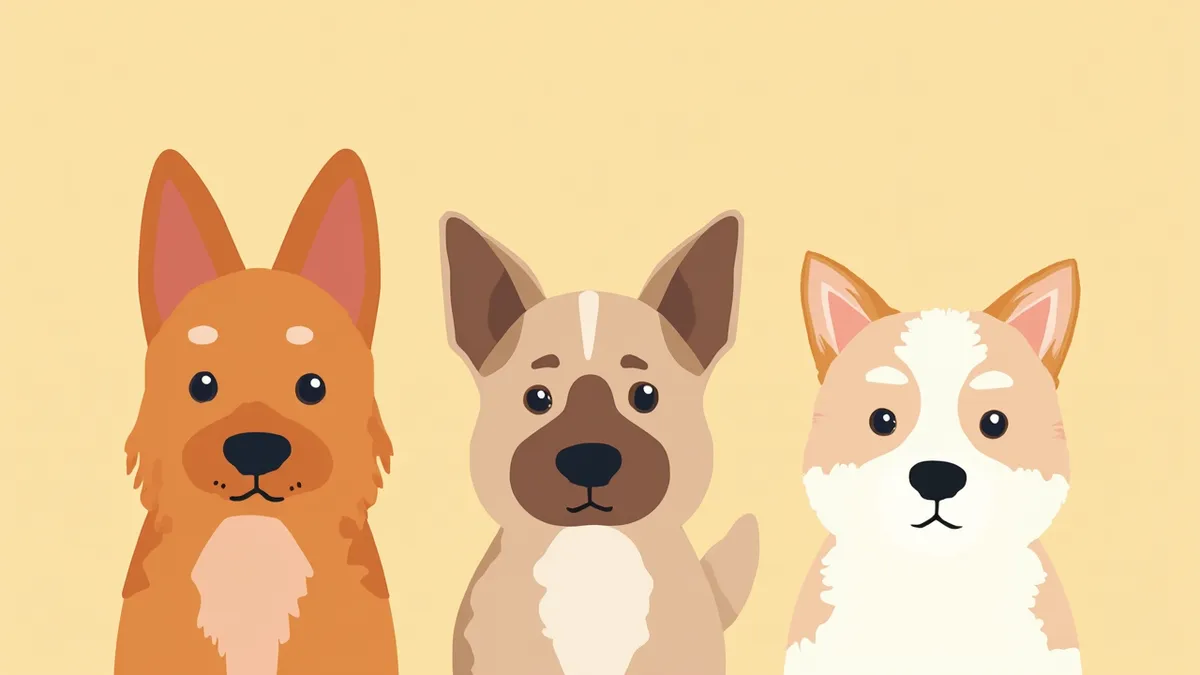
A close-up photo of three puppies with upright, folded, and semi-folded ears.
Dog ear types are categorized into three main varieties—prick, drop, and semi-erect ears—based on the degree of ear cartilage development. What’s truly important is that ear shape isn’t just a cosmetic difference; it’s directly linked to the risk of developing otitis externa. Drop ears have limited airflow inside the ear canal, making them significantly more prone to bacterial and yeast infections compared to prick ears. Knowing your dog’s ear type allows you to provide tailored care.

Why Do Ear Shapes Vary?

A dog’s ear shape varies depending on breed-specific genetic traits and the degree of auricular cartilage development. Just as some breeds, like the Basset Hound, have long, floppy ears while others, like Terriers, have upright, erect ears, each breed exhibits characteristic ear forms—a well-known veterinary anatomical feature. Crucially, the ear’s structure, particularly the shape of the pinna, influences ventilation and the temperature and humidity within the external ear canal, thereby affecting the risk of otitis externa. Even within the same breed, individual variations can occur.

Comparison Table of Ear Type Characteristics

ItemErect earsDrop (folded) earsSemi-erect ears
Cartilage conditionFully developed, firmSoft and thinOnly the tip folds over
VentilationVery goodAlmost blockedPartially good
Otitis externa riskLowHighMedium
Representative breedsShiba Inu, Pomeranian, Welsh CorgiGolden Retriever, Cocker Spaniel, BeagleBorder Collie, Shetland Sheepdog
Ear cleaning careMinimize if no abnormal signsObserve ear condition and care as neededObserve ear condition and care as needed

Overly frequent cleaning of healthy ears can actually cause otitis externa. If there is no discharge, odor, or redness, minimize ear cleaning; if there is a history of otitis externa, consult your veterinarian to adjust the frequency.

Representative Breeds and Characteristics by Type
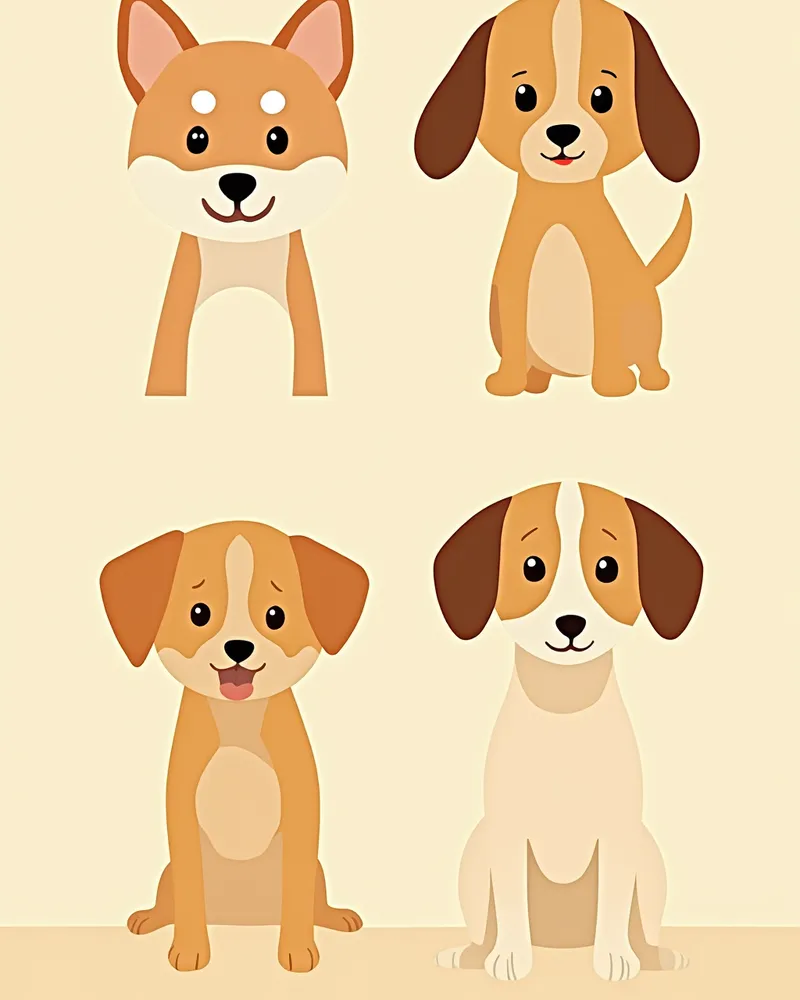
Upright ears: Shiba Inu, Pomeranian, Welsh Corgi, German Shepherd — These breeds have excellent air circulation inside the ear canal, resulting in the lowest risk of otitis externa.
Folded ears: Golden Retriever, Cocker Spaniel, Beagle, Basset Hound — The ears completely cover the ear opening, trapping moisture and heat inside.
Semi-folded ears: Border Collie, Shetland Sheepdog, Fox Terrier — Only the top portion of the ear folds over, requiring more care than upright ears.
Even within the same breed, ear shape can vary slightly depending on genetics and body type.
Comparing the ear shapes of Shiba Inu, Cocker Spaniel, Border Collie, and Beagle

Check for Otitis Externa Signs in Floppy-Eared Dogs

If your floppy-eared dog frequently scratches its ears, shakes its head, or has a foul odor or yellow discharge from the ears, it is highly likely that otitis externa has begun. Symptoms can progress and worsen rapidly, especially during hot and humid summer months. Seek immediate veterinary care if the inside of the ear appears red and swollen, if the dog shows pain when the ear is touched, or if it loses balance and tilts its head. Left untreated, the infection can spread to the middle and inner ear, potentially resulting in hearing loss.

Proper Cleaning Methods by Ear Type
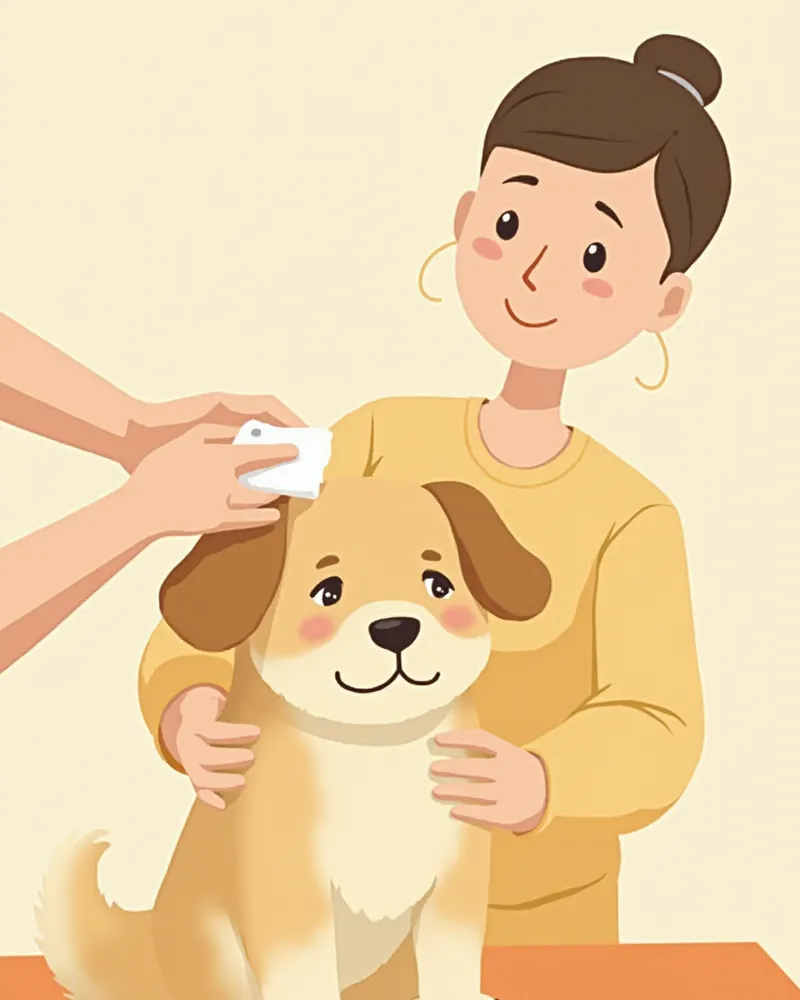
Prick ears: Gently wipe only the inner surface of the ear flap with soft gauze; do not insert cotton swabs deep into the ear canal. For healthy ears without discharge, odor, or redness, it is important to avoid excessive cleaning.
Folded ears: Apply a dedicated ear cleanser into the ear canal, massage the lower part of the ear, and allow your dog to shake its head to expel debris. Over-cleaning healthy ears can actually cause inflammation, so monitor ear condition and clean only when discharge or odor is present. Consult your veterinarian to determine the appropriate cleaning frequency.
Semi-folded ears: Moisture tends to accumulate inside the folded areas, so monitor the ears and use a cleanser only if you notice discharge or other abnormal signs.
After bathing, always thoroughly dry the inside of the ears for all ear types.
A guardian gently cleaning the ears of a floppy-eared puppy

Is Ear Shape Related to Immunity?

While a dog’s ear shape doesn’t directly determine immune strength, the structure of the ear does influence the microenvironment inside. In floppy-eared breeds, the pinna covers the ear canal, keeping the inner ear warm and humid. This altered microenvironment disrupts the natural balance of microbes in the ear, creating ideal conditions for the overgrowth of Malassezia (yeast) and bacteria. When such infections recur, inflammation often fails to resolve completely, leading to chronic ear disease. Additionally, veterinary dermatology textbooks note that dogs with allergies, such as atopic dermatitis, frequently experience recurring otitis externa alongside itching of the face and paws. Therefore, regardless of ear shape, if your dog suffers from chronic or recurrent otitis externa, it is advisable to consider diagnostic testing to identify underlying causes, such as allergies.

When to Consult a Veterinarian

Recurrent otitis externa: If ear infections keep coming back, an underlying allergic condition such as atopic dermatitis may be the cause. If your dog is also scratching its face or paws, consider the possibility of a chronic allergic skin disease and discuss diagnostic tests to identify the root cause with your veterinarian.
Sudden change in ear shape: In older adult dogs, swelling in just one ear or chronic otitis externa affecting only one ear should raise suspicion of an aural hematoma or neoplasia. Fold-ear breeds are known to be more susceptible to aural hematomas due to the cartilage structure of their folded pinnae.
Hearing or balance abnormalities: If your dog responds more slowly when called or has difficulty maintaining balance, the infection may have progressed to the middle or inner ear, potentially damaging hearing or vestibular function.
Ear shape not yet set in puppies: A puppy’s ear shape can change as it grows. If you notice significant changes or if one ear suddenly looks different from the other, consult your veterinarian.

Reviewed by a veterinarian

Dr. Tony — Punnawat Phongkittirak

Dr. Tony — Punnawat Phongkittirak

Veterinarian

A veterinarian who majored in veterinary medicine at Khon Kaen University, Thailand, and completed the IVSA program at North Carolina State University in the United States. Drawing on clinical experience at animal hospitals, he works in the pet healthcare field and is dedicated to building a digital care environment that connects pet parents with veterinarians.

Frequently Asked Questions

One of my puppy’s ears is standing up. Is that okay?
Growing puppies may temporarily have one ear that looks different because their ear cartilage is still developing. If an adult dog suddenly develops a change in just one ear, it could indicate a hematoma or inflammation, so a veterinary visit is necessary.
Do floppy-eared dogs inevitably develop otitis externa?
While not inevitable, the higher humidity and temperature inside the ear increase the risk of otitis externa compared to erect-eared breeds. However, excessively frequent cleaning of healthy ears can actually cause inflammation, so it's best to regularly monitor ear condition and manage appropriately when discharge or odor is present.
Should ear hair be plucked?
In the past, ear hair removal was commonly recommended, but recent veterinary dermatology guidelines now advise removing it only when necessary. Forcibly plucking the hair can cause inflammation in the hair follicles, so this procedure should be performed under a veterinarian’s supervision only for breeds prone to otitis externa, such as Poodles and Schnauzers.
What kind of ear cleaner should I use for my dog?
Use a cleaner specifically formulated for dogs. However, if there are erosions or ulcers on the inner ear wall, acidic cleaners may cause further irritation, so be sure to consult your veterinarian. Never use human-grade alcohol or hydrogen peroxide, as they can severely irritate the ear canal. If you suspect otitis externa, a veterinarian-prescribed ear cleaner is the safest option.
Is frequent ear shaking a sign of otitis externa?
Head shaking is a classic sign of otitis externa (outer ear inflammation). However, foreign bodies (such as grass seeds or mites), allergies, and hematomas can also cause this behavior. If the shaking persists for more than two days, please have your pet examined by a veterinarian.

Share

Related Guides

References

[1] Miller WH, Griffin CE, Campbell KL. Muller and Kirk's Small Animal Dermatology, 7th Edition. Elsevier, 2013

[2] Harvey RG, Harari J, Delauche AJ. Ear Diseases of the Dog and Cat. Manson Publishing, 2001

[3] Jackson HA, Marsella R. BSAVA Manual of Canine and Feline Dermatology, 4th Edition. BSAVA, 2021

This information is based on veterinary literature and does not replace diagnosis or treatment. Please consult a veterinarian for specific health concerns.

Metapet Co., Ltd. | CEO: Park Sung-yong | Business Reg. No. 417-88-02562 | Seoul, South Korea | Customer Center